That sentence lands with a thud. It always does. We spend enormous energy pretending it isn’t true—organizing calendars, buying planners, saving for retirements that assume tomorrow is guaranteed. And yet death remains the most certain appointment any of us will ever keep. The irony is not that we die, but that we so rarely prepare well for it.
Most people think preparation ends with a will. A lawyer, a signature, a folder tucked away “just in case.” That matters, of course. But a will handles assets. It doesn’t handle meaning. It doesn’t speak to the people who will stand in a quiet room, stunned by absence, trying to understand who you were and what mattered most to you.
What follows are not morbid instructions. They are acts of care—small, humane gifts you can leave behind so that grief is steadied by clarity and love is anchored by memory.
Beyond the Will: Preparing the Human Things
When you die, the people who love you will not ask first about your net worth. They will ask different questions:
What did they believe?
What did they love?
What did they hope we would remember?
What words would they want spoken over us now?
You can answer those questions in advance.
A Letter to Be Read—or Not Read
Write a short letter addressed simply: “If you’re reading this, I’m gone.” It does not need to be profound. It needs to be honest.
Say what you’re proud of. Say what you regret without defending it. Say thank you. Say “I love you” plainly, without metaphor.
You can instruct that the letter be read privately, shared with family, or even excerpted by the minister. What matters is that your voice—your actual voice—doesn’t vanish all at once.
Music: The Soundtrack That Carries Memory
Music has a strange power. Long after names blur, melodies remain intact. Choose them carefully.
Think in layers:
One song that reflects your faith or hope
One song that reflects your life before faith
One song that simply feels like home
Do not choose music because it is “appropriate.” Choose it because it is true. A hymn sung imperfectly by people who loved you will do more work than a polished piece that meant nothing to you.
Write down why you chose each piece. That explanation may matter more than the song itself.
Scripture and Words Worth Hearing Again
If you believe Scripture matters, do not assume others know which passages carried you. Grief makes even familiar words hard to find.
Select:
One passage that sustained you in hardship
One that shaped your understanding of grace
One that you want spoken over those you leave behind
You can also include poems, prayers, or even a paragraph from a book that formed you. Ministers are grateful for guidance. You are not burdening them—you are helping them speak accurately.
Notes for the Minister: Who You Actually Were
Funerals often default to politeness. That’s understandable. But you can help your minister tell the truth kindly.
Leave a page titled: “Things You Should Know About Me.”
Include:
What made you laugh harder than you should admit
What you feared, and how you dealt with it (or didn’t)
What you wanted people to understand about your faith
What you would want said to your children, your spouse, your friends
This is not about image control. It’s about honesty. Ministers preach better when they know who they’re talking about.
The Small, Human Instructions
There are quieter things too—the kinds that reduce stress when everything already feels fragile.
Where important documents are actually kept
What traditions matter and which ones don’t
Whether you want a gathering afterward, or quiet instead
Whether humor is welcome, or silence preferred
These details are mercies. They spare your loved ones from guessing when guessing feels impossible.
What You Want to Be Remembered For
This may be the hardest question, and the most clarifying.
Not what you achieved. Not what you owned. But what kind of person you were becoming.
Were you learning patience? Were you practicing forgiveness? Were you growing gentler, even when life made that difficult?
Write a paragraph titled: “If You Remember Me, Remember This.”
You may find, in writing it, that it quietly reshapes how you live now.
Why This Matters While You’re Still Alive
Preparing for death has a strange side effect: it clarifies life.
When you decide what music should be played at the end, you listen differently now. When you choose Scripture for your funeral, you read it more attentively today. When you write words for those you love, you speak them more freely while you can.
This is not surrender. It is stewardship.
You are not rehearsing despair. You are rehearsing love.
We avoid death talk because it feels heavy. In truth, avoidance is heavier. Thoughtful preparation lifts a burden from the people who will one day miss you, and—unexpectedly—lifts something in you as well.
You do know you’re going to die.
The quieter, better question is whether you’re willing to help the living when you do—and whether letting that truth shape your days might be one of the most life-giving acts you ever undertake.
00:00 — Joining the meeting You arrive early, which feels suspicious. No one else is there. You stare at yourself. You immediately dislike your face. You adjust the camera upward. Worse. Downward. Now you look guilty. You settle on “resigned.”
00:02 — Someone joins You nod politely at the screen like it’s a hallway encounter. They do not nod back. You wonder if nodding is still a thing. You stop nodding. It feels rude.
00:04 — “Can everyone hear me?” Everyone says yes. Someone cannot hear you. Someone else is muted but talking confidently into the void. This is the ancient ritual. It must be honored.
00:07 — The agenda appears You pretend to read it while scanning faces for emotional weather. One person looks alarmed. One looks like they’ve been here since 2009. One is definitely answering emails. You briefly wonder if you look like you’re answering emails.
00:10 — You speak You say: “That makes sense.” What you mean: I am buying time while I locate the thread of the conversation that snapped five minutes ago.
00:12 — Your face freezes You hold perfectly still, hoping the freeze makes you look thoughtful rather than mid-blink. You fail. You now resemble a man who has just realized something too late.
00:15 — The Unexpected Question “Joey, what do you think?” Your brain performs a physical maneuver, like furniture being rearranged in a hurry. You say something measured. You feel proud for exactly four seconds, then remember a better sentence.
00:18 — Someone shares their screen It is the wrong screen. It contains emails. Or a calendar titled PERSONAL. Or a document named FINAL_v8_REALLY_FINAL_THIS_ONE. No one comments. Everyone comments internally.
00:22 — The Dog / Child / Doorbell Event A dog appears. A child appears. A doorbell rings like a prophecy. The speaker says, “Sorry about that,” even though this is the most human moment of the meeting.
00:26 — Collective Fatigue Sets In Everyone leans back simultaneously, like a synchronized swim team trained in exhaustion. Someone asks a question already answered. No one judges them. We are all that person now.
00:29 — “Let’s take this offline” This is the Zoom equivalent of a gentle burial. The topic is not dead, but it will never fully live again.
00:31 — The Goodbye That Never Ends “Thanks everyone.” “Thanks.” “Appreciate it.” “Talk soon.” More thanks. More nodding. Someone waves. The meeting ends but no one leaves. You stare at the screen, unsure who must go first, like polite drivers at a four-way stop.
00:33 — Silence You are alone again. You exhale. You immediately realize what you should have said.
Zoom calls are not meetings. They are small psychological experiments conducted in rectangles, where humans attempt professionalism while quietly negotiating posture, lighting, identity, and the eternal question:
Just as some words calm us before we know what they mean, others provoke tension before their message is fully received. A sentence may be reasonable, even benign, yet something in it lands hard. The jaw tightens. The pulse quickens. Attention narrows. Often the listener cannot explain why—only that the words felt sharp.
This reaction is not a failure of emotional control. It is the nervous system doing exactly what it evolved to do.
Language carries sound as well as sense, and the body listens to sound first. Before meaning is parsed, tone is assessed. Long before humans debated ideas, they survived by detecting threat in noise: abrupt impacts, sharp breaks, rapid bursts, rising intensity. Those acoustic patterns still trigger alertness today, even when they arrive disguised as ordinary speech.
Harsh-sounding words tend to share certain features. They rely on hard plosive consonants—k, t, p, d, g—which require sudden closures and releases of air. They often include short, clipped vowels that speed speech rather than slow it. They may stack consonants tightly together, creating friction and force. When spoken, these words strike rather than flow.
Consider words like crack, snap, blast, cut, shock. Their meanings are forceful, but their sounds are doing much of the work. The mouth closes abruptly and releases air explosively. The body interprets this as impact. Even abstract words such as strict, hardline, or confront carry this phonetic tension. The listener’s nervous system reacts before the intellect weighs the argument.
This is why language intended to persuade can backfire when it leans too heavily on harsh sound. The speaker may be making a careful point, but the body of the listener hears urgency, pressure, or threat. Attention narrows. Defensiveness rises. Reason becomes harder to access, not because the listener is irrational, but because the physiology of alert has been activated.
Harsh words also tend to compress time. They move quickly. They discourage pauses. They resist breath. This is useful in moments that require action—warnings, commands, emergencies—but corrosive when overused. A steady diet of clipped, percussive language keeps the nervous system in a low-grade state of readiness. Over time, this can feel like anxiety, irritability, or exhaustion without a clear cause.
Modern life amplifies this effect. Headlines, alerts, slogans, and arguments often favor impact over resonance. Short words. Sharp sounds. Rapid delivery. Language becomes a series of acoustic jolts. Even when the content is informational, the soundscape keeps the body on edge.
This helps explain why people sometimes withdraw from conversations they intellectually agree with. The words feel aggressive even when the ideas are sound. It also explains why harsh self-talk—short, punishing phrases repeated internally—can erode calm just as effectively as external stressors. The body does not distinguish much between words spoken aloud and words spoken inwardly.
None of this means harsh language is inherently bad. Alarm has its place. Sharp sounds cut through danger. They focus attention. They mobilize action. The problem arises when alarm becomes the default register, when urgency is applied where reflection is needed, or when force is mistaken for clarity.
Understanding the sound of harsh words gives us the same gift as understanding the sound of calm ones: choice. We can still speak plainly, firmly, even critically—without constantly striking the nervous system like a match. We can reserve sharp sounds for moments that truly require them, and allow softer language to do its quiet work elsewhere.
Language is not only a vehicle for ideas. It is an environment the body inhabits. When words are consistently sharp, the environment feels hostile. When they are chosen with care, even disagreement can remain spacious.
To listen for harshness in language is not to demand gentleness everywhere. It is to recognize when sound is doing more than meaning intends. And it is to remember that how something is said often determines whether it will be heard at all.
Most people can recall a word that feels calming the moment it is heard—before its meaning registers, before the sentence is complete. The response is quiet but physical: shoulders loosen, breathing slows, the mind softens its focus. That reaction often sparks curiosity because it seems to bypass reason. Why should a single word, stripped of context, have any effect at all?
The answer lies in the fact that language does not operate solely at the level of meaning. It also works at the level of sound, rhythm, and bodily response. Long before words were written or analyzed, they were spoken, heard, and felt. The human nervous system evolved to listen for safety or threat in tone rather than vocabulary, and that ancient listening still runs beneath modern speech.
Certain sounds reliably signal calm. Liquid consonants such as l, m, and r require relaxed mouth positions and smooth airflow. Soft fricatives like s and h resemble breath and ambient noise. Open vowels—ah, oh, oo—create space in the mouth and naturally slow speech. Words built from these elements arrive gently, without the sharp acoustic edges the brain associates with urgency or danger.
Take lullaby. Its meaning is gentle enough, but its effect is largely phonetic. The repeated l sounds sway the tongue back and forth, mirroring the physical act of soothing. Murmur works similarly. Its repetition of m and r produces a low, continuous hum reminiscent of distant voices or water—sounds the brain treats as stable and non-threatening. Mellow rounds the lips and avoids abrupt closure, reinforcing ease through the very act of pronunciation.
Some words calm by engaging the breath directly. Sigh is both a noun and a bodily instruction. Saying it almost forces a longer exhale, activating the parasympathetic nervous system responsible for rest and recovery. Hush closes softly rather than sharply, signaling quiet without alarm. Words filled with whispering s sounds—serene, silken, susurrus—imitate rain, wind, or leaves, environmental sounds that have accompanied human rest for tens of thousands of years.
Other words soothe through spaciousness. Halo and aura rely heavily on open vowels, requiring little muscular tension. They feel balanced, airy, and complete. Reverie and nocturne slow the pace of speech and thought, inviting inward attention. Even brief words like drift suggest motion without effort—movement that does not demand control.
What makes this phenomenon more than a linguistic curiosity is what it reveals about how humans experience language. Words are not neutral containers of meaning. They are physical events. The body hears them, feels them, and reacts—often before the conscious mind has time to interpret what is being said.
This explains why poets labor over sound, why prayers and mantras repeat soft syllables, and why certain names, places, or phrases feel peaceful even when their meanings are abstract. It also explains why clipped, percussive language can heighten anxiety even when the content itself is benign. The nervous system listens first; interpretation comes later.
To become curious about soothing words is to explore the boundary between language and the body. It is to recognize that calm can be invited rather than commanded, and that attention can be softened through sound alone. In a world crowded with sharp edges and constant noise, learning which words quiet us is not escapism. It is a form of literacy—understanding not just what words mean, but what they do.
Appendix A: Soothing Words — Definitions and Pronunciation
Lullaby(LULL-uh-bye) — A gentle song to induce sleep Murmur(MUR-mer) — A low, continuous sound Mellow(MEL-oh) — Soft, smooth, relaxed Melody(MEL-uh-dee) — A pleasing sequence of notes Serene(suh-REEN) — Calm and peaceful Silken(SIL-ken) — Smooth and soft Sigh(sye) — A long breath of release Susurrus / Susurration(soo-SUR-us / soo-sur-RAY-shun) — Whispering sound Hush(huhsh) — Silence or quiet Halo(HAY-loh) — A circle of light Aura(OR-uh) — A subtle surrounding presence Reverie(REV-er-ee) — Dreamy contemplation Nocturne(NOK-turn) — A musical piece inspired by night Ripple(RIP-uhl) — A small spreading wave Drift(drift) — To move slowly without force Gossamer(GOSS-uh-mer) — Light and delicate Halcyon(HAL-see-un) — Calm and peaceful
Appendix B: How Sound Is Used to Shape Calm (Deliberately)
Soothing words are not an accident of language. Writers, speakers, and traditions across cultures intentionally deploy sound to shape emotional response—often more carefully than meaning itself.
Poetry prioritizes sound as much as sense. Poets choose vowels and consonants that slow the reader or invite breath. This is why lines meant to console are heavy with liquids and open vowels, while lines meant to alarm rely on hard stops and sharp consonants.
Prayer and mantra traditions repeat soft syllables for a reason. Repetition of breath-friendly sounds reduces cognitive load and entrains breathing. Calm is not demanded; it emerges through rhythm.
Storytelling and oral teaching rely on sound to hold attention without tension. A skilled speaker instinctively shifts toward softer phonemes when signaling reflection or safety, and sharper ones when urgency is required.
Names and places often follow the same logic. Many names that “feel peaceful” share the same phonetic traits: flowing consonants, symmetry, and vowel openness. This is not superstition—it is acoustic psychology.
Modern applications appear in therapy, guided meditation, children’s literature, and even branding. Calm language reduces resistance. The body relaxes first; the mind follows.
Understanding this gives people a subtle but powerful tool. One can choose words not only for precision, but for effect. Calm can be invited into conversation, writing, or even inner speech simply by favoring sounds that signal safety.
Final Reflection
Words are among the smallest units of human experience, yet they carry enormous power. Some inform. Some persuade. And some, quietly, soothe. Learning to hear how words sound—not just what they say—is a way of listening more deeply to ourselves. Language does not merely describe calm. At its best, it becomes one of the ways calm arrives.
The gavel strikes. The lights ignite. The Grandstanding Meter blinks to life. It does not hum for votes or laws, But speeches given with noble pause.
It measures tone. It measures stance. It tracks the glare, the shrug, the glance. It does not care if bills succeed— It runs on posture, not on need.
The gavel strikes. The lights ignite. Stand Level One: Ceremonial Light. Charts are shown. Heads slowly nod. Footnotes bless the fiscal fraud.
The gavel strikes. The lights ignite. Stand Level Two: Principled and Polite. History invoked. Fathers named. Complex issues neatly framed.
The gavel strikes. The lights ignite. Stand Level Three: Defiant Right. Lines are drawn in moral sand. Each side claims the higher land.
Amendments bloom like weeds in spring— Each fixes nothing, blocks the thing. Committees meet to plan the plan To later plan what no one ran.
The gavel strikes. The lights ignite. Stand Level Four: Deadline Night. The clock looks pale. The markets cough. Experts argue, then sign off.
“We’re close,” they say. “Very near.” The Meter spikes. The path is clear— Not to progress, not to resolve, But to a speech about resolve.
Staffers whisper. Pizza’s cold. The bill grows thick. Unread. Unold. A thousand pages, stitched at speed, To meet the hour, not meet the need.
The gavel strikes. The lights ignite. Stand Level Five: Historic Night. At 2:03 a deal appears, Forged of haste and mutual fears.
Unread, unnamed, but loudly praised, A triumph measured, hands are raised. Each side wins. Each side’s right. The Meter drops. The tone is light.
The gavel rests. The lights go dim. The Meter sleeps—but not for long. It idles low, a faithful hymn, Prepared to hum when next called on.
For soon enough, with solemn face, Another stand will take its place. And once again, with practiced grace, They’ll stand their ground… in the same space.
Coda: Nothing in Congress moves faster than a stand taken perfectly still. And nothing is measured more precisely than motion avoided— with conviction.
II. The Kids Version
(The Little Meter That Couldn’t)
Once upon a hearing, in a building very grand, Lived a Little Meter built to measure how they’d stand. It didn’t count solutions. It didn’t track results. It measured noble speeches and ceremonial halts.
“I think I can!” it beeped one day. “I think I’ll help them move!” A senator stood proudly tall. “I must object—on principle.”
The Meter blinked. It climbed a bit. The speeches grew. The smiles fit. They shook their heads. They shook their fists. They shook hands only off the list.
“I think I can! I think I can!” The Meter tried its very best. But every stand replaced a step, And standing still became the test.
By bedtime, bills were tucked away, Unpassed, but bravely fought. The Little Meter dimmed its light— Progress measured: thought.
Now every year the children ask, “Will it help them move someday?” The Meter hums, “I think I might… After recess. Or delay.”
Moral: Standing is easy. Walking is harder. Running requires reading the bill.
III. The Shakespeare Version)
(Much Ado About Standing)
Behold the stand, so firm, so loudly sworn, Where feet take root yet minds refuse to roam. Each oath proclaims the other side misborn, While progress waits outside the marble dome.
The clock doth plead, the markets groan with dread, Yet speeches bloom where actions dare not tread. What valor!—to remain exactly here, Unmoved by facts, but moved by public cheer.
At midnight’s hour, when cameras softly sleep, A bargain crawls from shadowed conference room. Unread, unsigned by thought, but passed to keep The fiction that tomorrow’s less of doom.
Thus stands the stand—magnificent, complete: All postured up, with nowhere left to meet.
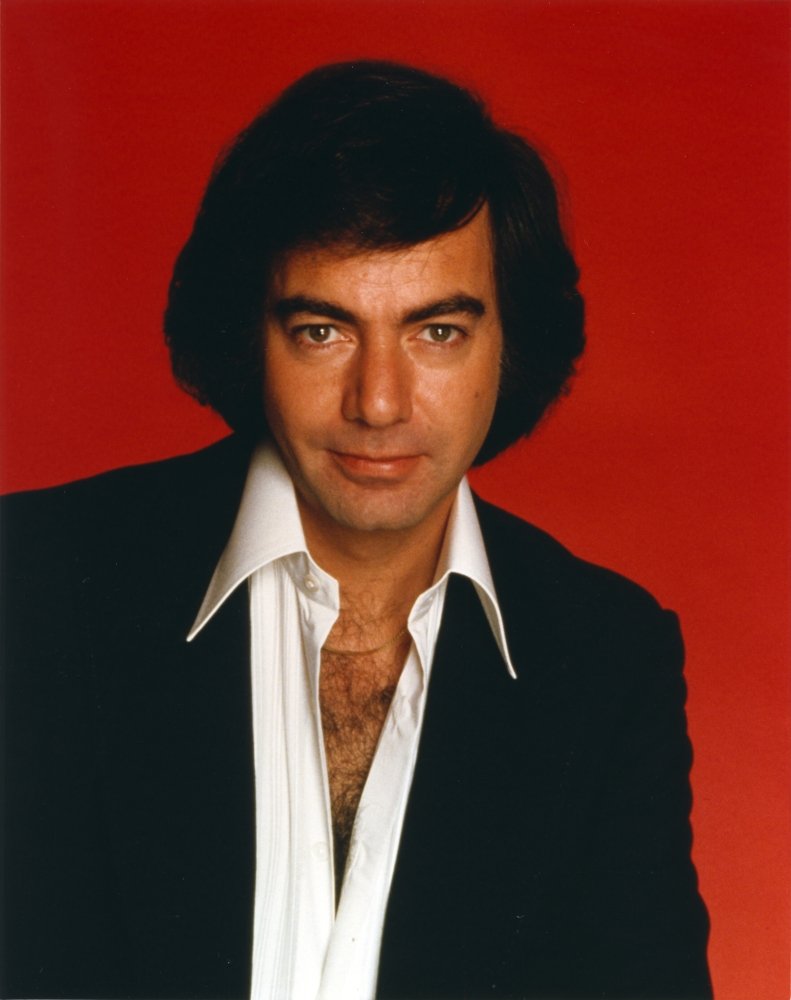
Years ago, I was listening in my car to a Neil Diamond album. One song I had hear before was playing. It grabbed me anew. I played it again at a higher volume. Then again. And again. At least six times.
I thought to myself: I want this song played at my funeral. Today, I am saying it publicly. This is my song that might (or might not) accompany a hymn or two. Linda and I have seen Neil Diamond live at least three times. He is mesmerizing. There is no single artist like him. Enough about me. Let’s go meet Neil.
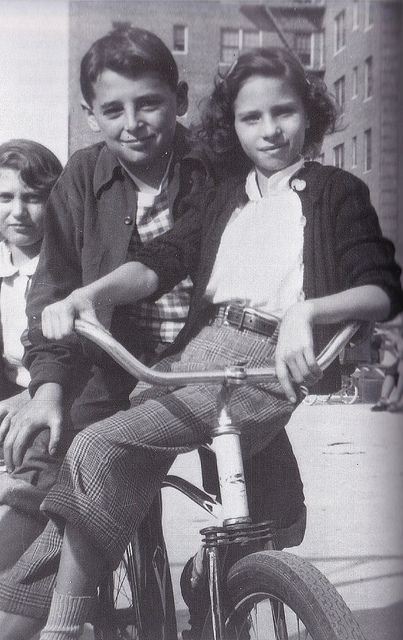
Most pop stars ascend quickly and fade just as fast. Neil Diamond didn’t follow that arc. Born in 1941 in Brooklyn to hardworking, culturally rich immigrant parents, he absorbed the grit and poetic tension of city life early on. The Brooklyn streets were not just home but a classroom in rhythm and blues, showmanship, and storytelling. That background—humble, restless, and full of voices—became part of his voice. Unlike many of his peers, Diamond never just chased trends. He mined emotion and reflection, building songs that felt like someone speaking directly into your memory.
Diamond’s early years were tough in the way that teaches craft and persistence. After attending Erasmus Hall High School—where he crossed paths with another future legend, Barbra Streisand—he briefly studied at NYU on a fencing scholarship. Fencing teaches precision and restraint; songwriting taught him phrase economy and melodic durability. He found his way into the famed Brill Building in Manhattan, where songwriters churned out hits for others while often remaining anonymous. There, Diamond honed his songs like a sculptor shaping marble, learning not just how to write, but how to feel music from the inside out.
By the late 1960s and 1970s, Diamond was no longer just a writer—he was a voice of a generation. Arena tours, platinum albums, and iconic hits like “Sweet Caroline” and “Cracklin’ Rosie” made his catalog a backdrop to countless life moments.
Yet as acclaim deepened, so did critical scrutiny. Critics often dismissed his earnestness as “schmaltzy,” while audiences embraced the sincerity he refused to hide behind irony.
That tension—between popularity and critical cool, between spectacle and introspection—is the soil from which I’ve Been This Way Before grows.
“I’ve Been This Way Before” — A Song as Personal Philosophy
The song appears on the soundtrack to The Jazz Singer (1980), a film about a singer wrestling with identity, tradition, and expectation. That thematic context is vital because the song isn’t a love ballad in the usual sense—it’s an existential declaration.
At first listen, the title—even the phrase itself—sounds like a shrug. But within Diamond’s voice it becomes a statement of gravity: one who recognizes the terrain of joy and sorrow, of acclaim and criticism, of life’s unpredictable loops. The narrative here isn’t newness but recurrence with understanding.
A youthful voice might plead, persuade, or beg for one more chance. Diamond’s voice in this song simply recognizes the pattern and moves through it with calm assurance. The lyrics, textured with experience rather than with doubt, function less as persuasion and more as self-remembrance.
This is someone who has walked through seasons of doubt, eclipse, acclaim, reinvention, and doubt again. To say “I’ve been this way before” is to assert: I recognize this moment; it does not define me nor sway me.
That is wisdom, not resignation. It’s the voice of someone who has learned that storms pass, trends shift, critics change, but a grounded self persists.
The Later Years: Triumph and a Debilitating Health Shift
Diamond’s story didn’t end with reflection; it faced a new trial. In 2018, as he was wrapping up his 50 Year Anniversary World Tour, he announced a diagnosis of Parkinson’s disease, a progressive neurological disorder that affects movement, coordination, and balance. That diagnosis forced him to retire from touring and scaled back the life of public performance that had defined him for decades.
Parkinson’s is not just a label—it’s a condition that gradually diminishes motor function and, in many cases, affects voice, movement, and daily activity in profound ways. Symptoms like tremors, muscle rigidity, and slow movement are hallmarks of a disease that attacks the very systems a performer depends on.
Yet Diamond did not vanish. He continued writing and remained engaged with his creative world, at times appearing publicly in rare, emotional moments—like surprise performances tied to A Beautiful Noise: The Neil Diamond Musical, the Broadway and touring show based on his life and songs. In 2025, at age 84, he made a moving appearance during the curtain call of a performance in Los Angeles, singing “Sweet Caroline” from his seat and connecting with fans one more time.
His health battle is ongoing, and Parkinson’s remains without a cure. But Diamond’s continued presence—especially his embrace of life beyond touring—mirrors the very essence of “I’ve Been This Way Before.” He has walked through the fear, the change, and now the physical limitations, yet his voice endures through memory, community, and art. That endurance is not denial of his condition, but rather a reorientation of purpose: finding new meaning and expression even when the stage has changed.
Conclusion: The Song as Life’s Metaphor
When viewed through the arc of his life, I’ve Been This Way Before isn’t just a lyric—it’s a life stance. It is a way of looking at setbacks, acclaim, doubt, and even illness from a place anchored by self-awareness.
Neil Diamond’s journey—from Brooklyn kid to global star, from the relentless road to confronting a neurological disease—traces a path where recurring challenges aren’t stops but milestones. The song captures not just where he’s been, but how he’s learned to stand still while the world spins.
His current health situation may limit the physical body, but it has deepened the resonance of a song about having been there before—and still finding oneself standing. That’s the kind of insight only a lifetime of music, struggle, and self-reflection can give.
I’m going to add a rendition of the song at the end. Add an introduction with an encouragement to listen to the rise in his voice, holding the notes as his emphasis about some people struggling to see the light, some only when they die.
Here is an introductory section you can place just before the embedded rendition of the song. It’s written to prepare the listener’s ear, not explain the music away.
Listening for the Weight of a Lived Voice
Before you listen, listen howNeil Diamond sings—not just what he sings.
Pay attention to the rise in his voice, the way he climbs deliberately into certain phrases and then holds the note longer than comfort requires. That holding is not a flourish. It is emphasis. It is a man insisting that some truths cannot be rushed.
When he sustains those notes, he is doing more than showcasing control. He is pressing meaning into time, forcing the listener to sit with an idea a moment longer than expected. The song is full of that restraint: a voice that knows when to wait, when to linger, when to let the thought land.
This matters because the song is quietly wrestling with a hard reality—that some people struggle their entire lives to see the light, to understand themselves, to recognize meaning or peace. Others, as the song suggests with gentle gravity, only see it at the very end, sometimes only when life itself is slipping away. There is no judgment in that observation, only recognition.
Diamond doesn’t sing this like a warning or a sermon. He sings it like someone who has watched it happen—who has lived long enough to know that clarity is unevenly distributed, and often painfully delayed.
So listen for the patience in his phrasing. Listen for the steadiness rather than the drama. Listen for the voice of someone who has been here before—and knows that insight often arrives late, but still arrives.
I’ve seen the light And I’ve seen the flame And I’ve been this way before And I’m sure to be this way again For I’ve been refused And I’ve been regained And I’ve seen your eyes before And I’m sure to see your eyes again
Once again For I’ve been released And I’ve been regained And I’ve sung my song before And I’m sure to sing my song again Once again
Some people got to laugh Some people got to cry Some people got to make it through By never wondering why
Some people got to sing Some people got to sigh Some people never see the light Until the day they die
But I’ve been released And I’ve been regained And I’ve been this way before And I’m sure to be this way again Once again One more time again Just one more time
Songwriter: Neil Diamond.
Psst: Listen. Lean in closer. Don’t tell anybody I said this. But go see the movie Song Sung Blue.
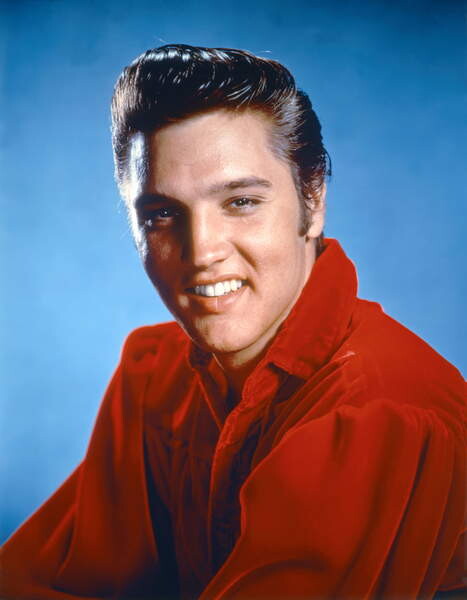
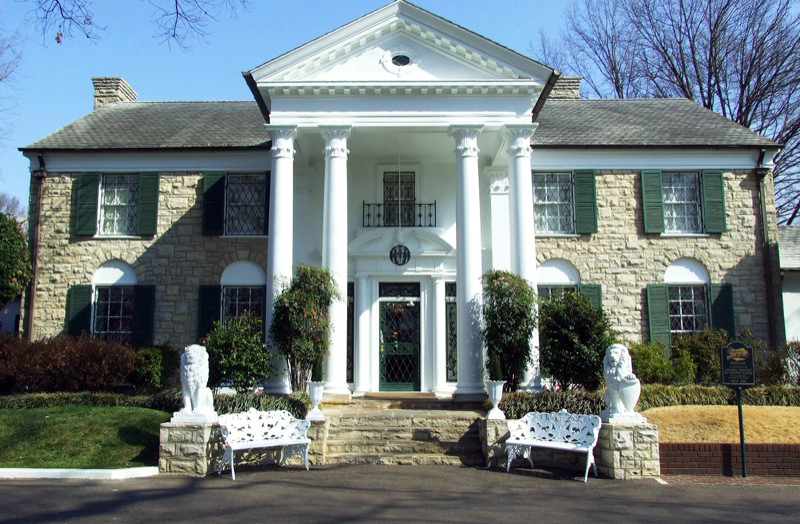
January 8 marks the birthday of Elvis Presley, born in 1935 in Tupelo, Mississippi—one half of a pair of twins, the other lost at birth. That quiet fact matters. Elvis always carried the gravity of absence and longing, and it surfaced in his voice long before the world learned his name. Today, remembering Elvis isn’t just about swiveling hips or rhinestone jumpsuits. It’s about a cultural detonation that permanently altered music, identity, and the idea of what American sound could be.
Elvis arrived at a strange intersection in history. America was prosperous, anxious, segregated, and restless. Radio waves were neatly categorized: country over here, blues over there, pop kept clean and polite. Elvis crossed those lines without asking permission. He absorbed gospel harmonies from church pews, blues from Beale Street, country from the Grand Ole Opry, and then—almost accidentally—became the bridge. His early recordings at Sun Studio weren’t polished statements; they were experiments that crackled with risk. When he sang, genres stopped behaving.
What unsettled people wasn’t just the music. It was embodiment. Elvis didn’t perform songs so much as inhabit them. His voice could sound wounded and defiant in the same breath. His movements—so often reduced to caricature—were actually an expression of rhythm learned from Black musicians whose physicality had long been policed. To some, Elvis looked dangerous. To others, liberating. That tension is exactly why he mattered.
Fame, of course, is a blunt instrument. By the late 1950s, Elvis was everywhere—movies, merchandise, magazine covers—yet increasingly constrained. The U.S. Army drafted him in 1958, a moment that symbolically pressed the rebel into uniform. When he returned, the music softened. Hollywood took over. The edges dulled. Many artists would have faded quietly into nostalgia at that point.
Elvis didn’t.
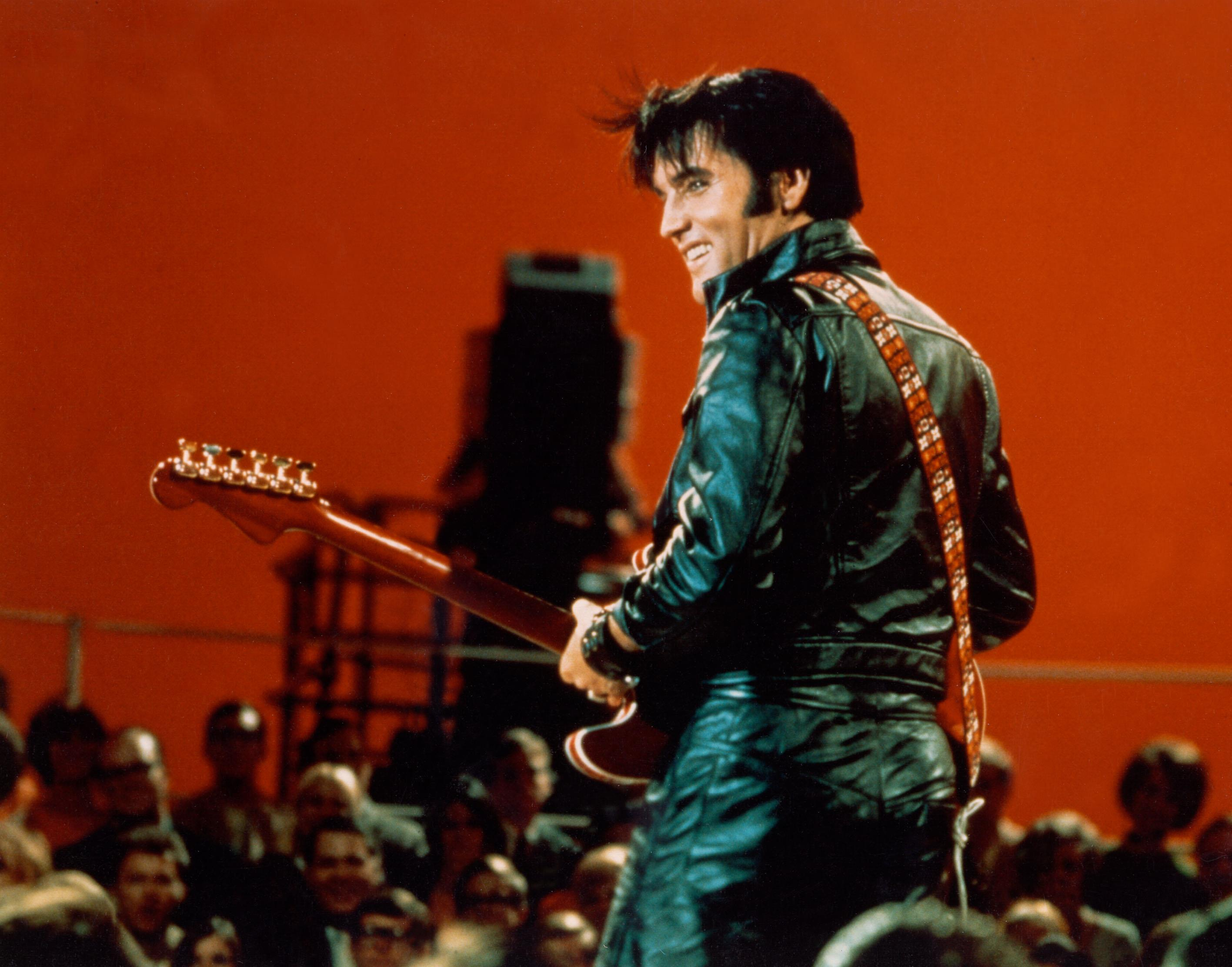
The 1968 Comeback Special remains one of the great resurrection moments in American pop culture. Dressed in black leather, stripped of spectacle, Elvis stood close to the audience and sang as if reminding himself who he was. No choreography, no cinematic gloss—just presence. The voice was older, deeper, seasoned by disappointment. It wasn’t a return to youth; it was a confrontation with time. Few artists ever reclaim themselves so publicly.
The 1970s brought both triumph and tragedy. Vegas shows grew grand and exhausting. The jumpsuits glittered brighter as the man inside struggled. Elvis became a symbol of excess even as he remained, paradoxically, deeply shy and generous. He gave away cars, paid strangers’ medical bills, and carried a private spiritual hunger that never quite settled. America watched his decline with the same appetite that once celebrated his rise—an uncomfortable mirror held up to celebrity itself.
Elvis died in 1977 at just 42 years old, but death did not quiet him. His music still moves through culture like a low-frequency hum. Every genre-mixing artist owes him a debt. Every performer who dares to be both vulnerable and electric walks in his shadow. He did not invent rock and roll—but he translated it, amplified it, and delivered it to a nation not yet ready to hear itself reflected so honestly.
On his birthday, Elvis feels less like a relic and more like a reminder. Art is dangerous when it crosses boundaries. Beauty often comes mixed with cost. And sometimes a voice appears at exactly the right moment—not to soothe a culture, but to shake it awake.
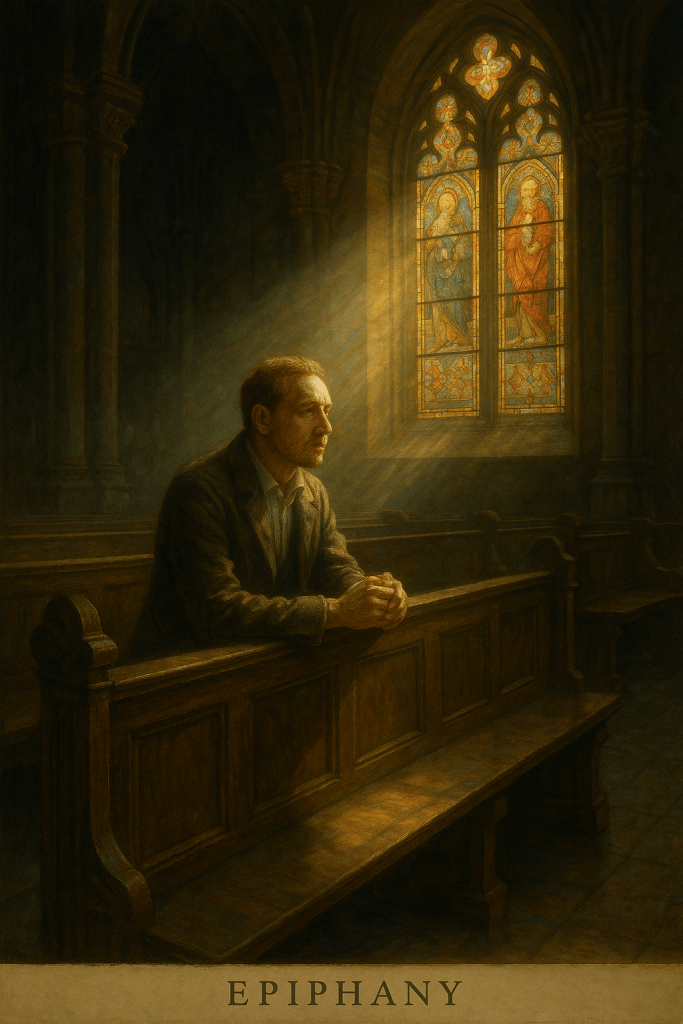
Not the violent kind that rattles windows and demands attention, but the kind that seems to think—pausing, resuming, whispering to itself. The rain had followed him down the street and into the old stone church, where it softened into echoes and silence.
He had not planned to stay. The church was only a shortcut between the office and the parking lot, a dry passage through a wet afternoon. But something slowed him. He found himself in the back pew, coat still damp, listening to the hush settle around him as the last of the lights were switched off one row at a time.
The nave held the faint scent of incense and old stone—memory suspended in air. In the stillness, he could feel his own breathing again, and beneath it the steady, stubborn rhythm of his heart, like a clock that had kept time through disappointment without ever being consulted.
The week had been heavy in ways that never show up on calendars or balance sheets. A conversation delayed too long. A letter unopened on the kitchen table. A friendship fractured not by malice but by neglect. He had lived lately by screens and schedules, moving efficiently while drifting inwardly, performing life rather than inhabiting it.
When the rain began earlier that afternoon, it felt as though the world had decided to mourn first.
He looked toward the altar. It was plain—no ornament, no spectacle. A linen cloth folded with care. Above it, a wooden cross, worn smooth by time and eyes. The figure upon it was neither triumphant nor dramatic. It looked tired. Human.
In that weariness, he recognized something familiar.
Lightning flared suddenly through the stained glass, flooding the nave with color for a heartbeat—reds and blues and golds briefly made whole. In that instant, he noticed a woman kneeling several pews ahead of him.
She hadn’t been there before. Or perhaps she had, and he had not been ready to see her.
She wasn’t praying with folded hands but with palms open, resting lightly on her knees, as though offering something invisible. When the light faded and the thunder rolled, she did not move.
The storm continued its rhythm, and the building seemed to breathe with it: thunder, pause, rain, silence.
A word surfaced in his mind—epiphany. A word he remembered from long ago, defined as a sudden revelation, a moment when something hidden becomes visible. A manifestation. An appearing.
For the first time in years, he wondered whether such moments still happened—not in Scripture or spectacle, but quietly, woven into ordinary time.
He closed his eyes.
The air smelled of damp stone and candle wax. Images rose without invitation: his father’s laughter, the sterile light of a hospital room, the way a lake turned silver just before sunset. A stranger’s voice from years ago, saying, You look like someone still searching.
His life felt layered, translucent, as though meaning had always been present but partially obscured. One layer lifted, then another—not by effort, but by grace.
When he opened his eyes, the woman was gone.
Only her umbrella leaned against the front pew.
He stood and walked forward, intending to return it if she was still nearby. As he approached, something inside him loosened—a knot he hadn’t known how to name. The familiar tension between doing and being, between guilt and mercy, softened.
The umbrella was patterned with constellations. When he lifted it, droplets slid across the fabric like falling stars.
Outside, the storm had broken.
The air was sharp with ozone and freshness. Streetlights shimmered on wet pavement. Cars hissed past, ordinary and miraculous at once. Across the street, a diner sign flickered OPEN—half the letters burned out, yet unmistakable.
He laughed quietly. Even broken, it told the truth.
Inside, the waitress poured him coffee without asking. The woman from the church sat near the window, stirring her tea. She glanced up, smiled faintly, and nodded.
No words passed between them. None were required.
He sipped the coffee. The city hummed like an organ warming up. Outside, clouds thinned, and the first ribbon of sunrise touched the street. It caught the rim of his cup, the chrome of the jukebox, and the tear he hadn’t noticed had fallen.
Everything aligned—not as an explanation, but as a recognition.
The rain. The church. The cross. The lightning. The diner’s broken sign.
Not revelation in thunder. Not truth carved in stone.
Just the world, quietly saying: I am here.
When he left the diner, he didn’t take the umbrella.
He wanted to feel the light on his face.
The city resumed its noise—engines, voices, footsteps. Nothing had changed, and yet everything had. He carried no answers, no resolutions, no plans—only a stillness, warm and steady, glowing just behind his ribs.
He was no longer alone in the silence.
As he turned the corner, he thought again of the woman and the umbrella left behind.
Why hadn’t he given it back? The question rose naturally, as it might in the reader’s own mind.
Perhaps because she hadn’t truly forgotten it. Perhaps because some gifts aren’t meant to be returned.
The umbrella had done its work—a small constellation pointing toward a larger one, a reminder that revelation often leaves something behind.
Something you don’t need to keep in order to remember.
Epilogue
Epiphany is a word that means “to appear.”
But perhaps its truer meaning is this: to notice.
For the divine has always been appearing. The shepherds came to see the Baby. It is we who, at last, learn to look.
Midnight gets the attention, but morning gets the truth.
The fireworks fade quickly. The music stops. Streets empty. Festive hats are cleared away. By the time the sun rises on the first day of the year, the world has grown quiet again—almost unchanged. The calendar has turned, but the room still looks the same. The problems did not disappear overnight. Neither did the blessings.
That quiet is not a letdown. It is the point.
For thousands of years, humanity has gathered at midnight to mark the turning of time. But it has always been the morning after that determines whether anything truly changes. Midnight is ceremonial. Morning is operational.
Why Midnight Can’t Carry the Weight We Give It
We ask too much of midnight.
We expect clarity, resolve, closure, and renewal to arrive in a single moment. We compress an entire year’s worth of meaning into a countdown and a cheer. When it fails to deliver transformation, we feel either disappointed or embarrassed by our own expectations.
But midnight was never meant to do the work of renewal. It only marks the handoff.
Even in ancient cultures, the celebration was followed by days of ritual reordering—debts repaid, vows honored, fields prepared, households reset. Renewal was not instantaneous; it was deliberate.
The modern world kept the celebration and lost the follow-through.
The First Morning Is Honest in a Way Midnight Is Not
Morning has no soundtrack. No audience. No spectacle.
The first morning of the year confronts us with continuity:
The same body
The same relationships
The same responsibilities
The same unfinished work
And that is precisely why it matters.
Real change does not arrive in dramatic gestures. It arrives in quiet decisions made when no one is counting down, applauding, or watching. Morning exposes whether we were serious—or merely hopeful.
What the First Morning Asks of Us
The first morning of the year asks better questions than midnight ever could.
Not What do you promise? But What will you tend?
Not What will you fix all at once? But What will you stop ignoring?
Not Who do you want to become? But Who will you show up as today?
These questions do not demand ambition. They demand honesty.
Why Small Faithfulness Outlasts Grand Resolution
Resolutions fail not because they aim too high, but because they assume momentum will carry them. Morning teaches a different lesson: momentum fades; habits remain.
Civilizations, institutions, and people rarely collapse because of one bad decision. They erode because of deferred maintenance—small things left unattended because they were inconvenient, invisible, or uncomfortable.
The same is true personally. Health declines quietly. Relationships drift slowly. Faith thins gradually. None of it announces itself with fireworks.
Morning is where maintenance happens. It is time to restore, to recommit, to renew, to recount the blessings!
The Courage of Ordinary Beginnings
There is a particular courage in beginning again without drama.
It looks like:
Returning a call that should have been made months ago
Scheduling an appointment long avoided
Reopening a conversation gently rather than triumphantly
Continuing a responsibility without announcing it as a “new start”
This is not inspirational courage. It is durable courage.
The kind that survives February.
A Word About Gratitude
The first morning of the year is also where gratitude regains its balance.
Gratitude at midnight often feels forced—too broad, too general. Morning gratitude is specific. It notices:
What endured
What was preserved
What did not break, even when it could have
Gratitude without denial is one of the most stabilizing forces a person—or a society—can cultivate.
Why This Matters Beyond the Personal
What is true for individuals is true for communities.
Cities do not renew themselves at ribbon cuttings. Institutions do not regain trust through slogans. Systems do not become safer because a report was filed or a year closed.
Improvement happens in the quiet work that follows acknowledgment:
Maintenance after inspection
Correction after recognition
Stewardship after celebration
Morning is where accountability lives.
The Gift of the First Morning
The first morning of the year offers a gift that midnight cannot: continuity without illusion.
It does not erase the past. It does not guarantee the future. It simply gives us another day—and asks what we will do with it.
That is enough.
Conclusion: Why the Morning Deserves More Honor Than Midnight
We will always gather at midnight. That is human. We need ceremony. We need markers. We need shared moments.
But if we are honest, the future is shaped less by how loudly we celebrated than by how quietly we lived afterward.
The year does not change at midnight. It changes when morning meets responsibility.
And that is where renewal—real, lasting renewal—has always begun.

 Let's Talk About It, Lewis!
You must be logged in to post a comment.