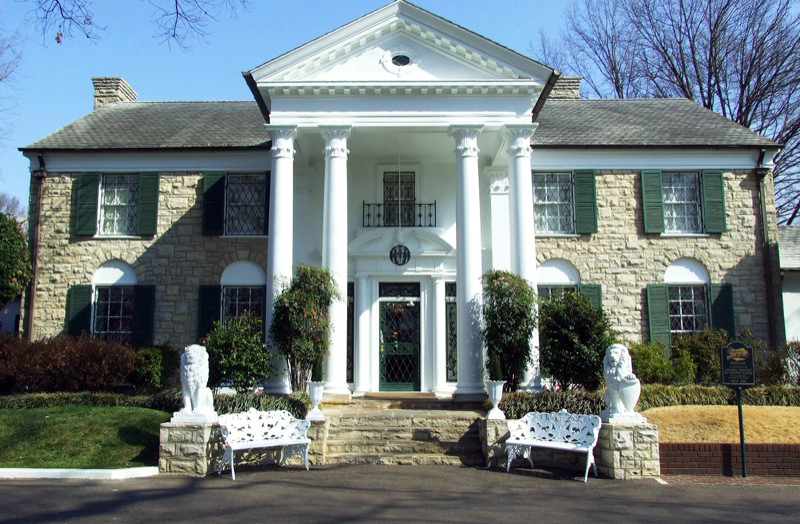
Elvis Presley on his birthday

A collaboration between Lewis McLain & AI
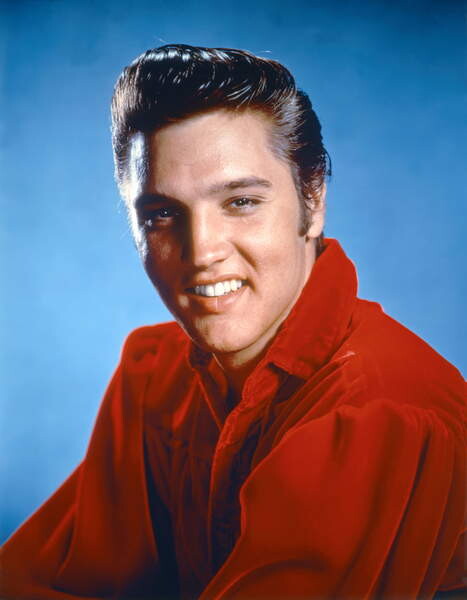
https://cdn.europosters.eu/image/750/134333.jpg
https://www.rollingstone.com/wp-content/uploads/2018/06/gettyimages-74289871-806b1297-9a36-4c93-8bc9-3850fdfae70e.jpg
https://upload.wikimedia.org/wikipedia/commons/5/54/Graceland_Memphis_Tennessee.jpg

Elvis Presley: A Birthday Reflection on the King Who Changed the Sound of America


The only reason I remember Elvis’s birthday is that it is the same as my brother we lost 10 years ago. https://citybaseblog.net/2016/03/12/thinking-about-my-bro

January 8 marks the birthday of Elvis Presley, born in 1935 in Tupelo, Mississippi—one half of a pair of twins, the other lost at birth. That quiet fact matters. Elvis always carried the gravity of absence and longing, and it surfaced in his voice long before the world learned his name. Today, remembering Elvis isn’t just about swiveling hips or rhinestone jumpsuits. It’s about a cultural detonation that permanently altered music, identity, and the idea of what American sound could be.

Elvis arrived at a strange intersection in history. America was prosperous, anxious, segregated, and restless. Radio waves were neatly categorized: country over here, blues over there, pop kept clean and polite. Elvis crossed those lines without asking permission. He absorbed gospel harmonies from church pews, blues from Beale Street, country from the Grand Ole Opry, and then—almost accidentally—became the bridge. His early recordings at Sun Studio weren’t polished statements; they were experiments that crackled with risk. When he sang, genres stopped behaving.

What unsettled people wasn’t just the music. It was embodiment. Elvis didn’t perform songs so much as inhabit them. His voice could sound wounded and defiant in the same breath. His movements—so often reduced to caricature—were actually an expression of rhythm learned from Black musicians whose physicality had long been policed. To some, Elvis looked dangerous. To others, liberating. That tension is exactly why he mattered.

Fame, of course, is a blunt instrument. By the late 1950s, Elvis was everywhere—movies, merchandise, magazine covers—yet increasingly constrained. The U.S. Army drafted him in 1958, a moment that symbolically pressed the rebel into uniform. When he returned, the music softened. Hollywood took over. The edges dulled. Many artists would have faded quietly into nostalgia at that point.

Elvis didn’t.

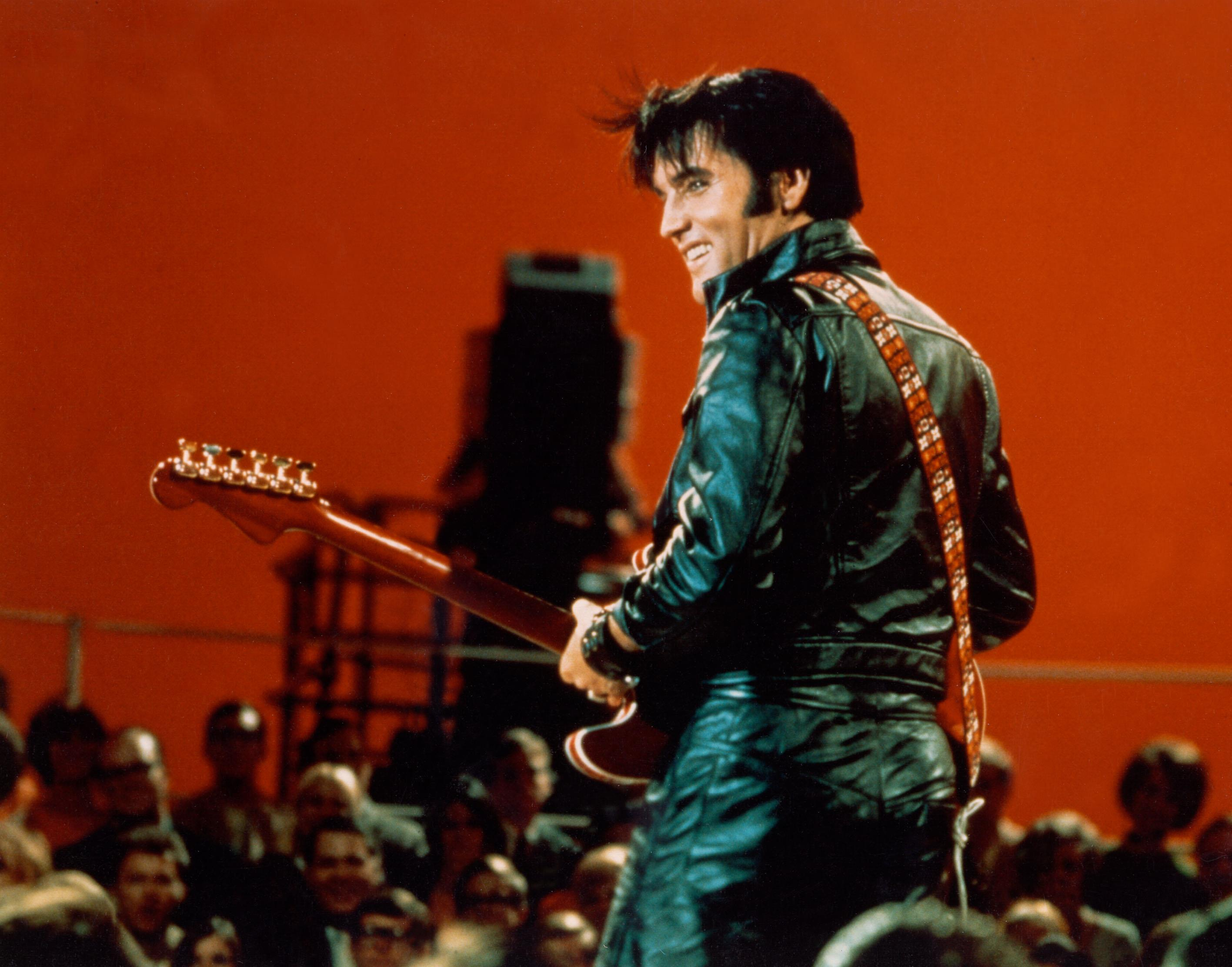
The 1968 Comeback Special remains one of the great resurrection moments in American pop culture. Dressed in black leather, stripped of spectacle, Elvis stood close to the audience and sang as if reminding himself who he was. No choreography, no cinematic gloss—just presence. The voice was older, deeper, seasoned by disappointment. It wasn’t a return to youth; it was a confrontation with time. Few artists ever reclaim themselves so publicly.

The 1970s brought both triumph and tragedy. Vegas shows grew grand and exhausting. The jumpsuits glittered brighter as the man inside struggled. Elvis became a symbol of excess even as he remained, paradoxically, deeply shy and generous. He gave away cars, paid strangers’ medical bills, and carried a private spiritual hunger that never quite settled. America watched his decline with the same appetite that once celebrated his rise—an uncomfortable mirror held up to celebrity itself.

Elvis died in 1977 at just 42 years old, but death did not quiet him. His music still moves through culture like a low-frequency hum. Every genre-mixing artist owes him a debt. Every performer who dares to be both vulnerable and electric walks in his shadow. He did not invent rock and roll—but he translated it, amplified it, and delivered it to a nation not yet ready to hear itself reflected so honestly.

On his birthday, Elvis feels less like a relic and more like a reminder. Art is dangerous when it crosses boundaries. Beauty often comes mixed with cost. And sometimes a voice appears at exactly the right moment—not to soothe a culture, but to shake it awake.

Elvis didn’t just sing America. He revealed it.

Joe Walsh: The Guitarist Who Turned Chaos Into Clarity

A collaboration between Lewis McLain & AI
Happy Birthday, Joe! Linda and I have been fans for a very long time. He is our age, and that adds to the connection. We have seen him with the Eagles several times. We have also seen him on Darryl Hall’s one-hour show Darryl’s House where they play for an hour and sing each other’s songs.

Few American musicians embody the strange mixture of brilliance, humor, chaos, and redemption quite like Joe Walsh. For more than five decades, he has stood at the crossroads of rock music and American storytelling — part comedian, part philosopher, part virtuoso, and part survivor. His songs have become radio staples; his riffs have become part of the American songbook; and his personal journey has become a kind of warning and witness for generations of musicians who followed.

Walsh’s legacy rests on more than the bends of his guitar strings or the bite of his lyrics. He reminds us that genius is often turbulent, and that the road to maturity rarely travels in a straight line.


Beginnings: A Guitar, a Telecaster, and a Restless Mind

Joe Walsh was born in 1947 in Wichita, Kansas, but his musical identity formed all over the Midwest. He had the kind of brain that absorbed sound like others absorb language. His guitar became both companion and compass — a way of translating emotion, frustration, curiosity, and humor into something that made sense.

By the time he joined The James Gang in the late 1960s, Walsh had already developed a signature sound: part blues, part garage rock, part distortion-driven rebellion. His riffs in songs like Funk #49 and Walk Away weren’t just clever; they were seismic. They announced a musician who had complete command of chaos — a man who could ride a riff the way a surfer rides a wave.


The Solo Years: Humor as Resistance

Walsh’s solo career in the 1970s showcased something rare in rock: humor without loss of depth. His songs were both sharp and self-deprecating. Life’s Been Good, his most famous solo hit, became a cultural mirror — a satire of rock-star excess sung by a man who was uncomfortably familiar with the topic.

He joked about limousines, gold records, and houses he couldn’t find, but the laughter was edged with truth. Walsh understood that success could be as destructive as failure. Humor became his shield — a way to deflate ego, fend off darkness, and remind audiences that fame was not only absurd but dangerous if you took it too seriously.


Joining the Eagles: Precision Meets Instinct

When Joe Walsh joined the Eagles in 1975, the band gained something it had been missing: a raw, fearless, electric edge. Walsh brought the grit that balanced the group’s harmonies and precision.

His fingerprints are unmistakable on Hotel California. That iconic dual-guitar ending — the spiraling, perfectly structured solo — is one of the most recognizable musical passages in modern history. It’s meticulously crafted, yet wild at the edges. That fusion of control and abandon is Joe Walsh in pure form.

With Walsh, the Eagles didn’t just sound different; they felt different. The band’s music carried a tension between beauty and danger, polish and madness — a tension that defined American music for decades.


The Battle Within: Addiction and the Long Road Back

Behind the humor, behind the riffs, Joe Walsh was fighting a private war. The 1970s and 1980s pushed him into depths of addiction he wasn’t sure he would survive. He described those years as “watching myself disappear.” His talent never left, but his clarity did.

In time, sobriety became the greatest achievement of his life. Walsh has said that getting sober returned his soul and restored his purpose. Today, he speaks openly about recovery — with the same mix of humor and gravity that marks his music.

His witness matters. In an industry littered with the ghosts of artists who didn’t survive the storm, Joe Walsh stands as a reminder that it is possible to come back. His life has become a testimony to the idea that discipline can rescue creativity — that the clearest notes often come after the noise is tamed.


Legacy: The Sage Behind the Sunglasses

In recent decades, Joe Walsh has become an unexpected kind of elder statesman. When he speaks, people listen — because beneath his jokes lies a depth that surprises those who only know the caricature.

He talks about music as community, sobriety as responsibility, and aging as liberation. He has become a mentor to younger musicians, a guardian of rock history, and a persistent voice reminding America of the power of live instruments, honest lyrics, and imperfections that prove humanity.

Walsh’s influence extends far beyond riffs and radio plays. He represents something rare in American culture:

  • Brilliance without pretense.
  • Honesty without sentimentality.
  • Survival without self-glorification.

And through it all, he remains unmistakably Joe Walsh — sunglasses, grin, guitar slung low, playing music that reminds us that life is ridiculous, fragile, and worth savoring.


Conclusion: The Philosopher We Didn’t Expect

Joe Walsh is more than a guitarist. He is a cultural figure who turned turbulence into wisdom, addiction into advocacy, humor into truth, and music into therapy — for himself and for millions of listeners.

His career is a reminder that genius is rarely quiet, and redemption is rarely simple. But in Joe Walsh’s guitar lines, in his raspy jokes, in his surprising clarity, we hear the story of a man who managed to grow older without growing dull — and who found, somewhere along the way, not only his sound but himself.


Lyrics

I have a mansion, forget the price
Ain’t never been there, they tell me it’s nice
I live in hotels, tear out the walls
I have accountants pay for it all

They say I’m crazy but I have a good time
I’m just looking for clues at the scene of the crime
Life’s been good to me so far

My Maserati does one-eighty-five
I lost my license, now I don’t drive
I have a limo, ride in the back
I lock the doors in case I’m attacked

I’m makin’ records, my fans they can’t wait
They write me letters, tell me I’m great
So I got me an office, gold records on the wall
Just leave a message, maybe I’ll call

Lucky I’m sane after all I’ve been through
(Everybody say, “I’m cool, ” “He’s cool”)
I can’t complain but sometimes I still do
Life’s been good to me so far

I go to parties sometimes until four
It’s hard to leave when you can’t find the door
It’s tough to handle this fortune and fame
Everybody’s so different, I haven’t changed

They say I’m lazy but it takes all my time
(Everybody say, “Oh yeah, ” “Oh yeah”)
I keep on goin’ guess I’ll never know why
Life’s been good to me so far

Ah, yeah, yeah

Source: LyricFind

Songwriters: Joe Walsh