A collaboration between Lewis McLain & AI
Elvis Presley: A Birthday Reflection on the King Who Changed the Sound of America
The only reason I remember Elvis’s birthday is that it is the same as my brother we lost 10 years ago. https://citybaseblog.net/2016/03/12/thinking-about-my-bro
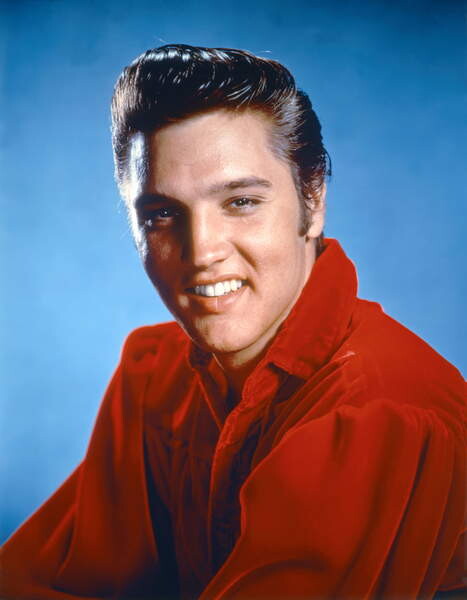
January 8 marks the birthday of Elvis Presley, born in 1935 in Tupelo, Mississippi—one half of a pair of twins, the other lost at birth. That quiet fact matters. Elvis always carried the gravity of absence and longing, and it surfaced in his voice long before the world learned his name. Today, remembering Elvis isn’t just about swiveling hips or rhinestone jumpsuits. It’s about a cultural detonation that permanently altered music, identity, and the idea of what American sound could be.
Elvis arrived at a strange intersection in history. America was prosperous, anxious, segregated, and restless. Radio waves were neatly categorized: country over here, blues over there, pop kept clean and polite. Elvis crossed those lines without asking permission. He absorbed gospel harmonies from church pews, blues from Beale Street, country from the Grand Ole Opry, and then—almost accidentally—became the bridge. His early recordings at Sun Studio weren’t polished statements; they were experiments that crackled with risk. When he sang, genres stopped behaving.
What unsettled people wasn’t just the music. It was embodiment. Elvis didn’t perform songs so much as inhabit them. His voice could sound wounded and defiant in the same breath. His movements—so often reduced to caricature—were actually an expression of rhythm learned from Black musicians whose physicality had long been policed. To some, Elvis looked dangerous. To others, liberating. That tension is exactly why he mattered.
Fame, of course, is a blunt instrument. By the late 1950s, Elvis was everywhere—movies, merchandise, magazine covers—yet increasingly constrained. The U.S. Army drafted him in 1958, a moment that symbolically pressed the rebel into uniform. When he returned, the music softened. Hollywood took over. The edges dulled. Many artists would have faded quietly into nostalgia at that point.
Elvis didn’t.
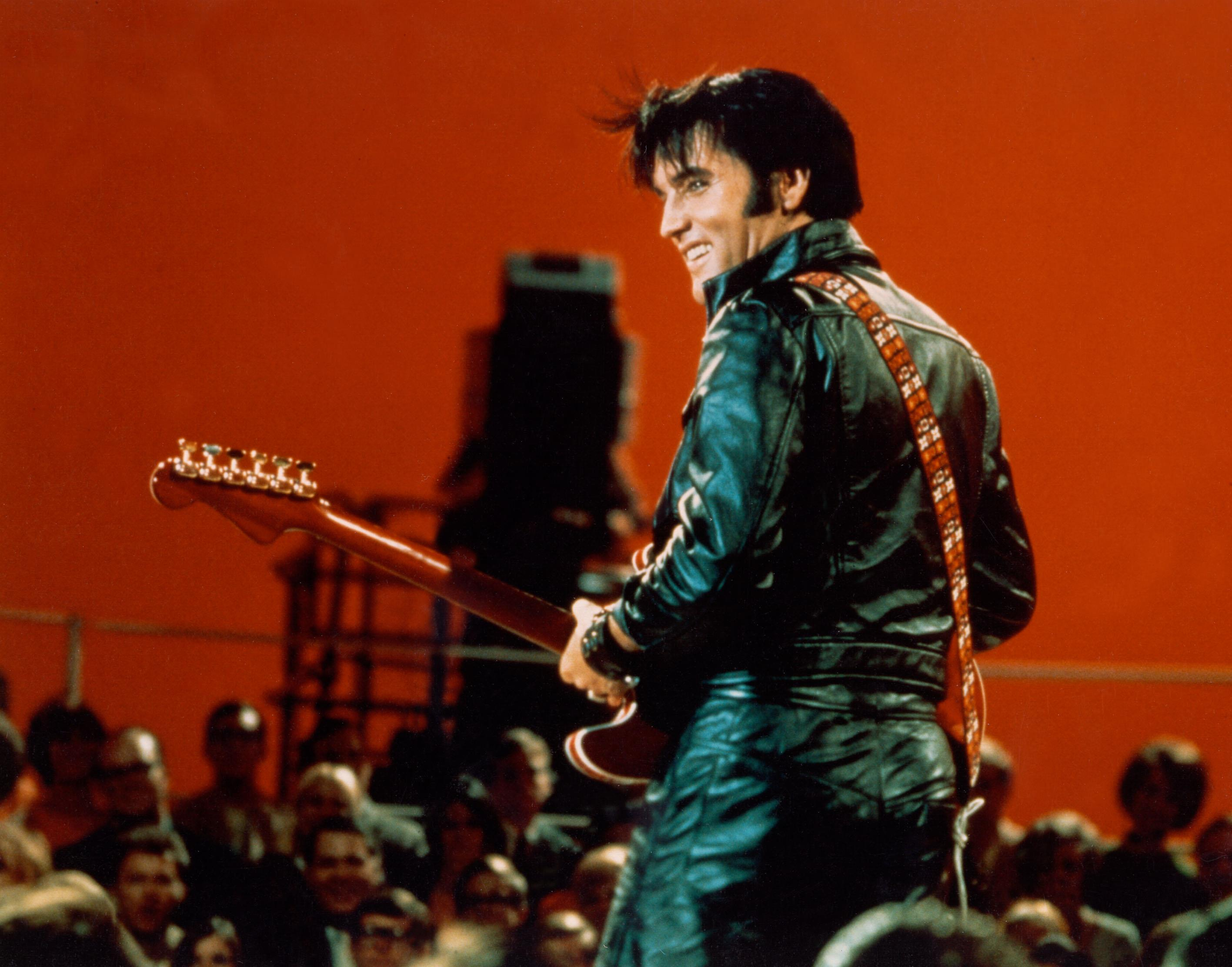
The 1968 Comeback Special remains one of the great resurrection moments in American pop culture. Dressed in black leather, stripped of spectacle, Elvis stood close to the audience and sang as if reminding himself who he was. No choreography, no cinematic gloss—just presence. The voice was older, deeper, seasoned by disappointment. It wasn’t a return to youth; it was a confrontation with time. Few artists ever reclaim themselves so publicly.
The 1970s brought both triumph and tragedy. Vegas shows grew grand and exhausting. The jumpsuits glittered brighter as the man inside struggled. Elvis became a symbol of excess even as he remained, paradoxically, deeply shy and generous. He gave away cars, paid strangers’ medical bills, and carried a private spiritual hunger that never quite settled. America watched his decline with the same appetite that once celebrated his rise—an uncomfortable mirror held up to celebrity itself.
Elvis died in 1977 at just 42 years old, but death did not quiet him. His music still moves through culture like a low-frequency hum. Every genre-mixing artist owes him a debt. Every performer who dares to be both vulnerable and electric walks in his shadow. He did not invent rock and roll—but he translated it, amplified it, and delivered it to a nation not yet ready to hear itself reflected so honestly.
On his birthday, Elvis feels less like a relic and more like a reminder. Art is dangerous when it crosses boundaries. Beauty often comes mixed with cost. And sometimes a voice appears at exactly the right moment—not to soothe a culture, but to shake it awake.
Elvis didn’t just sing America. He revealed it.
 Let's Talk About It, Lewis!