00:00 — Joining the meeting You arrive early, which feels suspicious. No one else is there. You stare at yourself. You immediately dislike your face. You adjust the camera upward. Worse. Downward. Now you look guilty. You settle on “resigned.”
00:02 — Someone joins You nod politely at the screen like it’s a hallway encounter. They do not nod back. You wonder if nodding is still a thing. You stop nodding. It feels rude.
00:04 — “Can everyone hear me?” Everyone says yes. Someone cannot hear you. Someone else is muted but talking confidently into the void. This is the ancient ritual. It must be honored.
00:07 — The agenda appears You pretend to read it while scanning faces for emotional weather. One person looks alarmed. One looks like they’ve been here since 2009. One is definitely answering emails. You briefly wonder if you look like you’re answering emails.
00:10 — You speak You say: “That makes sense.” What you mean: I am buying time while I locate the thread of the conversation that snapped five minutes ago.
00:12 — Your face freezes You hold perfectly still, hoping the freeze makes you look thoughtful rather than mid-blink. You fail. You now resemble a man who has just realized something too late.
00:15 — The Unexpected Question “Joey, what do you think?” Your brain performs a physical maneuver, like furniture being rearranged in a hurry. You say something measured. You feel proud for exactly four seconds, then remember a better sentence.
00:18 — Someone shares their screen It is the wrong screen. It contains emails. Or a calendar titled PERSONAL. Or a document named FINAL_v8_REALLY_FINAL_THIS_ONE. No one comments. Everyone comments internally.
00:22 — The Dog / Child / Doorbell Event A dog appears. A child appears. A doorbell rings like a prophecy. The speaker says, “Sorry about that,” even though this is the most human moment of the meeting.
00:26 — Collective Fatigue Sets In Everyone leans back simultaneously, like a synchronized swim team trained in exhaustion. Someone asks a question already answered. No one judges them. We are all that person now.
00:29 — “Let’s take this offline” This is the Zoom equivalent of a gentle burial. The topic is not dead, but it will never fully live again.
00:31 — The Goodbye That Never Ends “Thanks everyone.” “Thanks.” “Appreciate it.” “Talk soon.” More thanks. More nodding. Someone waves. The meeting ends but no one leaves. You stare at the screen, unsure who must go first, like polite drivers at a four-way stop.
00:33 — Silence You are alone again. You exhale. You immediately realize what you should have said.
Zoom calls are not meetings. They are small psychological experiments conducted in rectangles, where humans attempt professionalism while quietly negotiating posture, lighting, identity, and the eternal question:
Some words do not strike us. They do not repel or alarm. They arrive quietly, almost gently—and then linger. A single word can suddenly thicken the throat, slow the breath, or blur the eyes. We may not even notice the moment it happens. We only notice the aftermath.
Words like goodbye, alone, miss, or too late carry this power. They do not shout. They do not surprise. They simply open a door the body remembers how to walk through.
Sadness in language works differently than other emotional registers. Alarm sharpens attention. Revulsion rejects. Comedy releases tension. Sadness, by contrast, creates space. It slows time. It invites memory. It draws attention inward rather than outward. The body responds not with action, but with heaviness and reflection.
This effect is not accidental. Many words associated with sadness are acoustically soft. They favor long vowels, gentle consonants, and open endings. The mouth relaxes rather than tightens. Speech slows. These sounds mirror the physical posture of grief itself: lowered shoulders, shallow movement, a quieter presence. The nervous system recognizes the posture and follows it.
Meaning compounds the effect. Sad words often point to absence rather than presence. They name what is no longer here, what cannot be recovered, or what was never fulfilled. Gone, lost, never, before, after—these words position the listener in time rather than space. They orient the mind toward memory and irreversibility, two of the most reliable triggers of sorrow.
Many of the most powerful sad words are ordinary. Home. Mother. Father. Remember. They are not tragic by definition. Their emotional weight comes from what they gather around them: attachment, dependence, love, and time. The sound is simple; the meaning is layered. When spoken, they activate not one idea, but an entire constellation of lived experience.
Sadness also emerges through incompleteness. Words like unfinished, unsaid, unanswered, or waiting imply suspension rather than closure. The mind resists suspension. It wants resolution. When language denies that resolution, the body responds with ache. Tears often follow not because something terrible has happened, but because something has been left open.
Unlike alarm or disgust, sadness does not demand immediate response. It does not push us away or prepare us to act. Instead, it asks us to stay still. Crying itself is not an emergency reaction; it is a regulatory one. Tears slow breathing, soften facial muscles, and release emotional pressure. Sad words often precede tears because they prepare the body for that release.
This is why writers, poets, and speakers often rely on understatement when evoking sorrow. The most devastating lines are rarely loud. They are spare. They trust the reader’s nervous system to do the rest. A single word placed carefully can undo a room.
Understanding the sound of sadness does not make us immune to it—and that is not the goal. Sadness serves an essential human function. It honors loss. It marks significance. It signals that something mattered enough to hurt when it ended. Language that evokes sadness reminds us that feeling deeply is not weakness, but evidence of connection.
Placed alongside calm, alarm, revulsion, and comedy, sadness completes the emotional spectrum of sound. Language does not merely inform or persuade. It moves us—sometimes gently, sometimes sharply, sometimes unbearably softly. To listen closely to sad words is to listen to the way the body remembers what the mind might try to outrun.
Appendix A: Words That Commonly Evoke Sadness or Tears
Midnight gets the attention, but morning gets the truth.
The fireworks fade quickly. The music stops. Streets empty. Festive hats are cleared away. By the time the sun rises on the first day of the year, the world has grown quiet again—almost unchanged. The calendar has turned, but the room still looks the same. The problems did not disappear overnight. Neither did the blessings.
That quiet is not a letdown. It is the point.
For thousands of years, humanity has gathered at midnight to mark the turning of time. But it has always been the morning after that determines whether anything truly changes. Midnight is ceremonial. Morning is operational.
Why Midnight Can’t Carry the Weight We Give It
We ask too much of midnight.
We expect clarity, resolve, closure, and renewal to arrive in a single moment. We compress an entire year’s worth of meaning into a countdown and a cheer. When it fails to deliver transformation, we feel either disappointed or embarrassed by our own expectations.
But midnight was never meant to do the work of renewal. It only marks the handoff.
Even in ancient cultures, the celebration was followed by days of ritual reordering—debts repaid, vows honored, fields prepared, households reset. Renewal was not instantaneous; it was deliberate.
The modern world kept the celebration and lost the follow-through.
The First Morning Is Honest in a Way Midnight Is Not
Morning has no soundtrack. No audience. No spectacle.
The first morning of the year confronts us with continuity:
The same body
The same relationships
The same responsibilities
The same unfinished work
And that is precisely why it matters.
Real change does not arrive in dramatic gestures. It arrives in quiet decisions made when no one is counting down, applauding, or watching. Morning exposes whether we were serious—or merely hopeful.
What the First Morning Asks of Us
The first morning of the year asks better questions than midnight ever could.
Not What do you promise? But What will you tend?
Not What will you fix all at once? But What will you stop ignoring?
Not Who do you want to become? But Who will you show up as today?
These questions do not demand ambition. They demand honesty.
Why Small Faithfulness Outlasts Grand Resolution
Resolutions fail not because they aim too high, but because they assume momentum will carry them. Morning teaches a different lesson: momentum fades; habits remain.
Civilizations, institutions, and people rarely collapse because of one bad decision. They erode because of deferred maintenance—small things left unattended because they were inconvenient, invisible, or uncomfortable.
The same is true personally. Health declines quietly. Relationships drift slowly. Faith thins gradually. None of it announces itself with fireworks.
Morning is where maintenance happens. It is time to restore, to recommit, to renew, to recount the blessings!
The Courage of Ordinary Beginnings
There is a particular courage in beginning again without drama.
It looks like:
Returning a call that should have been made months ago
Scheduling an appointment long avoided
Reopening a conversation gently rather than triumphantly
Continuing a responsibility without announcing it as a “new start”
This is not inspirational courage. It is durable courage.
The kind that survives February.
A Word About Gratitude
The first morning of the year is also where gratitude regains its balance.
Gratitude at midnight often feels forced—too broad, too general. Morning gratitude is specific. It notices:
What endured
What was preserved
What did not break, even when it could have
Gratitude without denial is one of the most stabilizing forces a person—or a society—can cultivate.
Why This Matters Beyond the Personal
What is true for individuals is true for communities.
Cities do not renew themselves at ribbon cuttings. Institutions do not regain trust through slogans. Systems do not become safer because a report was filed or a year closed.
Improvement happens in the quiet work that follows acknowledgment:
Maintenance after inspection
Correction after recognition
Stewardship after celebration
Morning is where accountability lives.
The Gift of the First Morning
The first morning of the year offers a gift that midnight cannot: continuity without illusion.
It does not erase the past. It does not guarantee the future. It simply gives us another day—and asks what we will do with it.
That is enough.
Conclusion: Why the Morning Deserves More Honor Than Midnight
We will always gather at midnight. That is human. We need ceremony. We need markers. We need shared moments.
But if we are honest, the future is shaped less by how loudly we celebrated than by how quietly we lived afterward.
The year does not change at midnight. It changes when morning meets responsibility.
And that is where renewal—real, lasting renewal—has always begun.
Every year, at the stroke of midnight, millions of people pause—some in crowded city squares, some in living rooms, some alone. Fireworks erupt, glasses clink, and clocks roll forward. It feels celebratory, but beneath the noise lies something far older and quieter: a human instinct to stop time long enough to ask where we’ve been and whether it is safe to go on.
New Year’s Eve is not merely a party. It is one of humanity’s oldest rituals, reshaped again and again as civilizations learned to measure time, fear uncertainty, and hope for renewal.
From Chaos to Order: Why the Year Needed an Ending
The earliest New Year observances were not festive. They were protective.
Thousands of years ago, agricultural societies understood that survival depended on cycles they could not control. The Babylonians marked the new year with Akitu, a multi-day rite meant to reaffirm cosmic order, humility before the gods, and continuity of leadership. The “new year” was not a reset—it was a plea.
Ancient Rome refined this idea when Julius Caesar reformed the calendar in 46 BC. By fixing January 1 as the start of the year, Rome anchored time itself to Janus, the god who looked backward and forward at once. Romans exchanged gifts, offered sacrifices, and spoke carefully, believing the first words of the year could shape the months ahead.
From the beginning, New Year’s Eve was about thresholds—dangerous, hopeful moments when one thing ended and another had not yet begun.
Faith, Restraint, and the Moral Turn
As Christianity spread across Europe, exuberant pagan festivals fell under suspicion. The Church redirected the year’s turning toward reflection rather than revelry. For centuries, the end of the year was marked not with fireworks but with prayers, vigils, and confession.
This tradition never fully disappeared. “Watch Night” services—especially prominent in Methodist and African-American churches—framed New Year’s Eve as a sacred accounting: gratitude for survival, repentance for failures, and trust for what lay ahead.
The message was simple but demanding: celebration without reflection is shallow; reflection without hope is unbearable.
Fire, Noise, and Folk Wisdom
Outside formal religion, people preserved older instincts in folk traditions.
In Scotland’s Hogmanay, torchlight processions and fire festivals symbolized purification. In many cultures, loud noises were believed to chase away misfortune—an echo of ancient fears that the boundary between years left communities vulnerable.
What we now call “festive chaos” once served a serious purpose: protecting the future by confronting the unknown.
The Clock Takes Over: Modern New Year’s Eve Is Born
The Industrial Revolution changed everything. Once time became standardized—regulated by clocks, railways, and broadcast signals—midnight itself became the star.
In 1907, a glowing sphere descended in Times Square, creating a ritual that transformed New Year’s Eve into a shared national moment. Later, television turned it global. Fireworks over Sydney now greet the year before much of the world is awake, passing the celebration westward like a torch.
New Year’s Eve became less about survival and more about synchronization—humanity counting together.
Noteworthy Stories That Shaped the Meaning
1. Vows Older Than Resolutions
Modern New Year’s resolutions often feel flimsy, but their roots are ancient. Babylonians made promises to repay debts and return borrowed tools. Romans vowed loyalty and moral improvement. What changed is not the impulse, but our patience.
The failure of resolutions is not proof of their foolishness—it is evidence that self-examination has always been hard.
2. Midnight in Wartime
One of the most poignant New Year stories comes not from a party, but from silence.
During World War I, soldiers wrote letters describing New Year’s Eve in the trenches—cold, dark, uncertain. In some places, guns fell quiet at midnight. Men on opposite sides marked the passing year with prayers rather than gunfire, unsure if they would see another.
The calendar turned, but the war did not end. The moment mattered anyway.
3. The Baby New Year
The image of a diaper-clad infant replacing an old man with a beard emerged in 19th-century America. It is sentimental, but revealing. The symbol suggests not erasure of the past, but inheritance: the old year hands something unfinished to the new.
The baby does not judge the year that was. It simply receives it.
Why We Still Gather
Despite centuries of change, New Year’s Eve retains its core tension:
We celebrate because survival deserves joy.
We reflect because denial is dangerous.
We hope because despair is unsustainable.
Fireworks today are not so different from ancient fires. They declare, in light and sound, that we are still here.
The Deeper Meaning of Midnight
New Year’s Eve is not about pretending the past did not happen. It is about acknowledging that time moved forward anyway.
At midnight, we stand in a narrow space where memory and possibility overlap. We look back—not to relive—but to understand. We look forward—not to predict—but to commit.
That is why the ritual endures.
Conclusion: The Year Ends Whether We Pay Attention or Not
The calendar will turn without our consent. What remains a choice is whether we notice.
Across civilizations, faiths, wars, and technologies, New Year’s Eve has survived because it answers a human need deeper than celebration:
To pause long enough to tell the truth—then step forward anyway.
Fireworks fade. Music ends. Glasses are set down. But the quiet question lingers into the first morning of the year:
Given what we now know, how shall we live the days we’ve been given next?
That question—asked honestly—is the oldest New Year’s tradition of all.
The Handoff
Midnight is not an ending so much as a transfer.
One year does not disappear when the clock strikes twelve; it places its weight gently—but firmly—into the hands of the next. What we learned does not evaporate. What we failed to do does not reset. What endured does not need to be announced again.
New Year’s Eve marks the moment when time pauses just long enough to look both ways. But the work of living has never belonged to midnight. It belongs to the hours that follow—when the noise fades, when the lights dim, and when responsibility returns without ceremony.
The celebration marks the handoff. The morning receives it.
And so, having stood at midnight and named what this turning means, it is right to ask what comes next—not with promises shouted into the dark, but with attention offered quietly in the light of a new day.
A collaboration between Lewis McLain & AI (Suggested by Becky Brooks)
Here is a funny, light-hearted, non-offensive survey designed as if a city or organization created it, full of the same bureaucratic absurdity but tailored for someone who’s just spent a couple of weeks in jail.
It is intentionally ridiculous — the kind of tone-deaf survey a city might send, trying to measure the “customer experience.”
⸻
POST-INCARCERATION CUSTOMER SATISFACTION SURVEY
Because your feedback helps us improve the parts of the experience we had no intention of improving.
Thank you for recently spending 10–45 days with us!
Your stay matters to us, and we’d love your thoughts.
Please take 3–90 minutes to complete this survey.
⸻
SECTION 1 — OVERALL EXPERIENCE
1. How satisfied were you with your recent incarceration?
• ☐ Very Satisfied
• ☐ Satisfied
• ☐ Neutral (emotionally or spiritually)
• ☐ Dissatisfied
• ☐ Very Dissatisfied
• ☐ I would like to speak to the manager of jail, please
2. Would you recommend our facility to friends or family?
• ☐ Yes, absolutely
• ☐ Only if they deserve it
• ☐ No, but I might recommend it to my ex
3. Did your stay meet your expectations?
• ☐ It exceeded them, shockingly
• ☐ It met them, sadly
• ☐ What expectations?
• ☐ I didn’t expect any of this
⸻
SECTION 2 — ACCOMMODATIONS
4. How would you rate the comfort of your sleeping arrangements?
• ☐ Five stars (would book again on Expedia)
• ☐ Three stars (I’ve slept on worse couches)
• ☐ One star (my back may sue you)
• ☐ Zero stars (please never ask this again)
5. How would you describe room service?
• ☐ Prompt and professional
• ☐ Present
• ☐ Sporadic
• ☐ I was unaware room service was an option
• ☐ Wait… was that what breakfast was supposed to be?
⸻
SECTION 3 — DINING EXPERIENCE
6. Rate the culinary artistry of our meals:
• ☐ Michelin-worthy
• ☐ Edible with effort
• ☐ Mysterious but survivable
• ☐ I have questions that science cannot answer
7. Did you enjoy the variety of menu options?
• ☐ Yes
• ☐ No
• ☐ I’m still not sure if Tuesday’s entrée was food
⸻
SECTION 4 — PROGRAMMING & ACTIVITIES
8. Which of the following activities did you participate in?
• ☐ Walking in circles
• ☐ Sitting
• ☐ Thinking about life
• ☐ Thinking about lunch
• ☐ Wondering why time moves slower in here
• ☐ Other (please describe your spiritual journey): ___________
9. Did your stay include any unexpected opportunities for personal growth?
• ☐ Learned patience
• ☐ Learned humility
• ☐ Learned the legal system very quickly
• ☐ Learned I never want to fill out this survey again
⸻
SECTION 5 — CUSTOMER SERVICE
10. How would you rate the friendliness of staff?
• ☐ Surprisingly pleasant
• ☐ Professionally indifferent
• ☐ “Move over there” was said with warmth
• ☐ I think they liked me
• ☐ I think they didn’t
11. Did staff answer your questions in a timely manner?
• ☐ Yes
• ☐ No
• ☐ I’m still waiting
• ☐ I learned not to ask questions
⸻
SECTION 6 — RELEASE PROCESS
12. How smooth was your release experience?
• ☐ Smooth
• ☐ Mostly smooth
• ☐ Bumpy
• ☐ Like trying to exit a maze blindfolded
13. Upon release, did you feel ready to re-enter society?
• ☐ Yes, I am reborn
• ☐ Somewhat
• ☐ Not at all
• ☐ Please define “ready”
⸻
SECTION 7 — FINAL COMMENTS
14. If you could change one thing about your stay, what would it be?
(Please choose only one):
• ☐ The walls
• ☐ The food
• ☐ The schedule
• ☐ The length of stay
• ☐ All of the above
• ☐ I decline to answer on advice of counsel
15. Additional feedback for management:
⸻
⸻
(Comments will be carefully reviewed by someone someday.)
⸻
Thank You!
Your answers will be used to improve future guest experiences,*
Actually, my first financial models were on green 13-columnar tablets. If you know what I am talking about, I can get pretty close guessing your age.
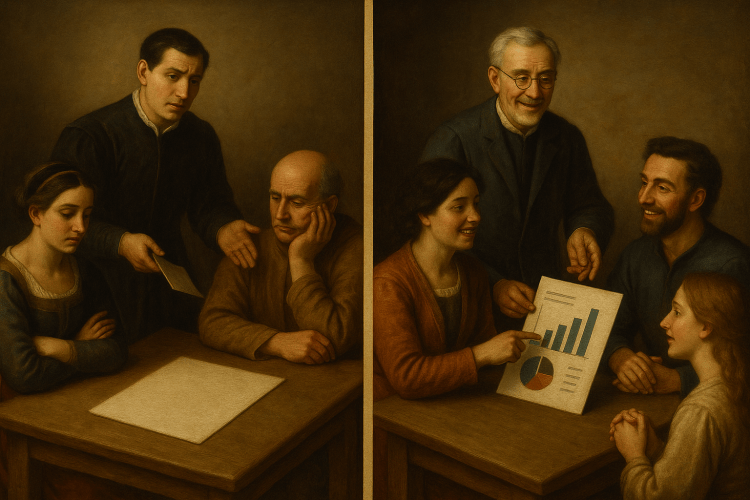
Most people assume that good analysis starts with a team gathered around a whiteboard, freely offering numbers, assumptions, and ideas. In theory, it sounds collaborative and egalitarian. In reality, that moment — the blank sheet of paper — is where analysis dies. People freeze. Smart, capable, experienced people who absolutely know their business suddenly say nothing when asked to put the first assumptions down.
Early in my career, I tried it the traditional way. I’d walk into a meeting ready to do things “the right way”: engage the group, ask for their best estimates, encourage open discussion. Instead, I got silence. Eyes drifted to the table. Pens clicked. People “would have to get back to me.” Suddenly, no one knew anything. It was as if asking someone to write the first number turned the room into a library reading room during finals week — quiet, anxious, and deeply unproductive.
It took me years to understand the psychology behind this. People aren’t reluctant because they lack insight. They are reluctant because they are afraid of owning the first mistake. The first assumption is the most vulnerable one. Once it is written down, it looks like a position, a commitment, a claim to be defended. And for many professionals — especially those who are cautious, political, or simply overwhelmed — that’s not a place they want to stand.
So, I developed a different approach. I stopped asking for the first draft of ideas and assumptions.
I started building the entire model myself — the assumptions, the structure, the logic, the forecasts — everything. I would take the best information I had, make the best reasonable assumptions I could, and produce a full version. Not a sketch. Not a preliminary worksheet. A full, working model.
Then I would send it to the very people who declined to give me assumptions and simply ask:
“Would you please critique this?”
That one sentence changed everything.
Why Critiquing Works When Creating Doesn’t
Something very human happens when someone is handed a complete model or draft of a report. The reluctance melts away. The fear of being wrong diminishes. The instinct to avoid being “first” is replaced by the instinct to correct, to improve, to clarify, to argue, to refine.
People who gave me nothing on a blank sheet suddenly became:
Detailed
Insightful
Opinionated
Protective of accuracy
Willing to explain nuances they never would have volunteered earlier
The entire room would come alive.
I used to think this was a flaw — that people should be willing to start from scratch. But then I realized the truth: starting is the hardest intellectual act in any field. Creation is vulnerable; critique is safe. The blank page is intimidating; a flawed draft is an invitation.
And here is the real secret:
People are most honest when they are correcting you.
They will tell you the real revenue figure. They will tell you why an assumption is politically impossible. They will tell you which number has never made sense. They will tell you what they truly believe once you’ve already said something they can push against.
Ironically, by giving them something to disagree with, I got the truth I was searching for.
The Picker–Pickee Method for Analytical Work
I call this my “picker–pickee” method (AI hates my term) — not in the social sense of drawing people into conversation, but in the analytical sense of drawing them into ownership. I pick the model. They pick it apart. And in that exchange, we arrive at what I needed all along:
Their actual knowledge. Their real assumptions. Their unfiltered expertise.
Without forcing them to start from zero.
Why This Technique Became One of My Career Signatures
Over time, I realized this was more than a workaround. It was a strategic advantage.
It accelerated projects.
It produced better numbers.
It revealed hidden politics and constraints.
It allowed people to save face while still contributing.
It created buy-in because the team helped “fix” the model.
It insured that the final product reflected collective wisdom, not my isolated guesswork.
I stopped apologizing for this method. I embraced it. I refined it. And eventually I came to see it as one of the most reliable tools in my entire professional life.
Because the truth is simple:
People don’t want to write the first word, but they will gladly edit the whole paragraph.
If you want real input from reluctant contributors, do the hard part yourself. Build the model. Write the draft report. Take the risk. Put the first assumptions on the page. And then ask for critique — sincerely, humbly, and openly.
They will show you what you needed to know all along.
Closing Reflection
If there is any lesson I wish I had learned earlier, it is this:
You don’t get better analysis by demanding contribution. You get better analysis by giving people something to respond to.
Once I accepted that, my work changed. My relationships with stakeholders changed. And the quality of every model I built improved dramatically.
It may not appear in textbooks, but after decades of practice, this remains one of my most effective — and most human — secrets of the profession.
How Music Becomes the Memory, Meaning, and Map of Who We Are
Linda and I met in the first week of college when we were only 18. To this day, we can hear a song and instantly recall when we first heard it. Some evenings we will call up a concert we have saved on DirecTV. Linda knows precisely where to fast-forward so we can listen to a favorite. So, the topic of this essay is very close to our hearts.
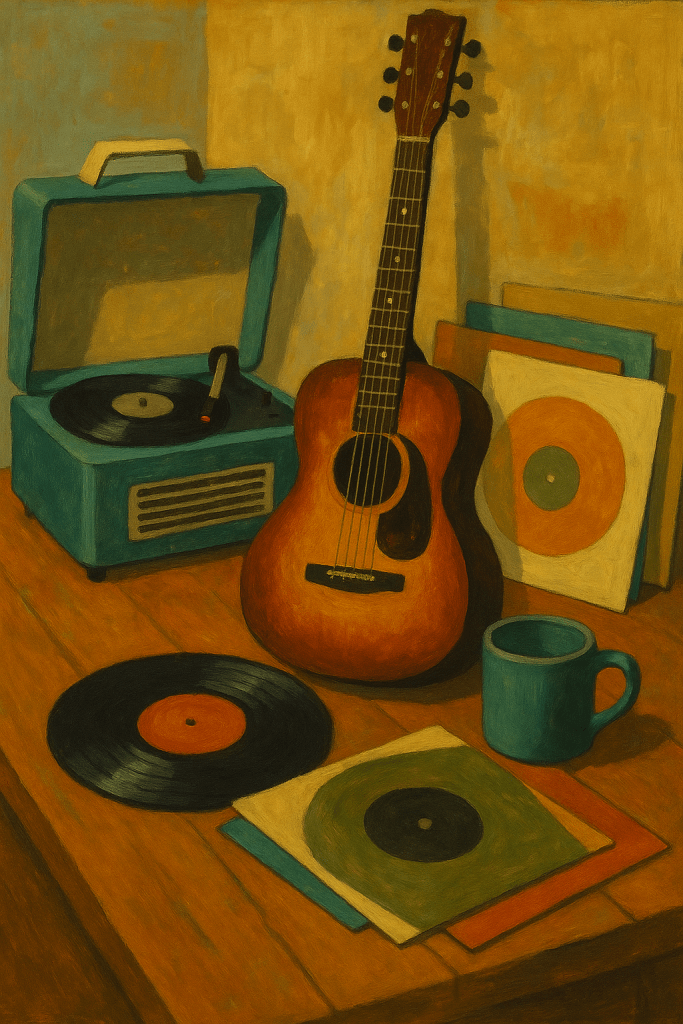
Most of the time we assume music is something we listen to — a pleasant accessory to the tasks and routines of the day. But if you pay attention, music is more like a hidden autobiography, quietly recording your inner life long before you are aware that a story is being written. The songs you return to, the ones that startle you when they play unexpectedly, the rare few that undo you in the quiet of a car or a grocery aisle — these are not just sound. They are memory in motion. They are identity with a rhythm.
Music does not simply accompany life; it arranges it. What memory loses, music preserves. What time distorts, music restores. And what emotion cannot articulate, music gives shape to with uncanny accuracy.
To understand this is to understand something profound about what it means to be human.
I. Music and the Mind’s First Language
Long before a child has words, they have rhythm. Infants calm at the steady cadence of a lullaby and recognize the pattern of a familiar voice long before understanding vocabulary. This is because the brain does not treat music as entertainment; it treats it as structure — a patterned, predictable, emotionally charged signal that is perfectly engineered for memory.
But music does something even deeper: it bypasses the intellectual filters adults use to sanitize emotion. A melody goes straight to the limbic system, sparking feelings before thought. That is why a song can make you cry before you even remember its meaning. The brain is reacting not to the information in the song, but to its emotional imprint.
Music, in this sense, is the first language of the inner life — the way feeling precedes understanding.
II. The Way Music Stores Time
Most memories fade, and many blur into general impressions. But not the memories attached to certain songs. These remain startlingly specific — not because the events were necessarily remarkable, but because music sealed them in.
What is remarkable is how effortless this process is. You do not choose to remember your first heartbreak through a particular ballad, or a college summer through a song that filled your roommate’s car. You do not choose the hymn that makes your throat tighten at a funeral, or the chorus that instantly brings back the living room of your childhood home. Music chooses for you.
There is something mysterious about the mind’s insistence on tethering emotion to sound. A song becomes a kind of timestamp. It gives the memory a fixed point in the otherwise loose fabric of time, and when the melody returns, the memory returns with it — intact, immediate, almost shockingly alive.
We often say a song “takes us back,” but the deeper truth is that the song allows the past to take hold of us again.
III. Music as Emotional Truth
There are emotions you can explain and emotions you can only feel. Music specializes in the latter. A melody can carry a complexity no sentence can hold. Consider the strange, tender ache of nostalgia — how a song can make you long for a life you no longer live or even one you never lived at all. Or consider the way a joyful song can suddenly reveal a sorrow you didn’t realize was sitting under the surface.
Music tells the truth of emotion without asking permission.
This is why people instinctively turn to it during grief, celebration, transition, or uncertainty. It steadies the self by restoring emotional coherence. In moments when language fails — when a prayer is wordless, when a loss is fresh, when a change is too large to understand — music becomes a way of anchoring the heart long enough for meaning to catch up.
IV. Why Some Songs Become Too Heavy to Carry
Everyone has songs they avoid — not because they dislike them, but because they are too full. A melody can carry the weight of a relationship, a season, or a dream that has since dissolved. Some songs hurt because they still tell the truth about who you were and who you loved, and the distance between then and now becomes too pronounced to bear.
But even these difficult songs serve a purpose. They remind us that the deepest chapters of our lives are rarely tidy. Music preserves the emotional residue of experiences that shaped us, even when we’d prefer to move on. The song remembers us more honestly than we sometimes remember ourselves.
And that honesty, however painful, is a form of reverence for what mattered.
V. Music as a Spiritual Technology
Even people who claim no religious belief often describe music in spiritual terms. It elevates, unites, quiets, or stirs the human spirit in ways that resemble prayer. Religious traditions have always understood this. Faith communities sing not because they need background noise, but because music allows meaning to move through people collectively, bypassing the intellectual hesitation that often dilutes belief.
A sung truth is felt before it is understood — and therefore becomes more deeply held.
Music is not a doctrine, but it delivers feeling with the force of revelation. It makes the invisible inner life audible.
VI. The Older We Grow, the More Our Soundtrack Solidifies
There is a moment in adulthood when you realize new music no longer imprints the way it once did. Songs still move you, but they do not become part of your inner architecture the way earlier ones did. Neurobiologists confirm this: the teenage and young adult years are when the brain is most porous to musical encoding, which is why those songs remain disproportionately powerful decades later.
By middle age, the soundtrack of your life is largely complete, and new music becomes something enjoyed but not absorbed. This is why older adults return to the songs they loved when they were young — not for nostalgia alone, but because those songs contain the memory of a self that time cannot fully dissolve.
Music becomes a way of maintaining continuity across the changing seasons of one’s identity.
VII. The Soundtrack We Become for Others
Most people think of their personal soundtrack as something private — the way certain songs follow them through life. What they often forget is that they have also become part of someone else’s soundtrack.
The lullaby you hummed. The song you danced to at a wedding. The hymn you sang beside a friend in a difficult season. The album you played on a long drive with your child. The record your mother played while cleaning the house.
Music is how we inhabit each other’s memories.
We rarely know which musical moments attach to the people we love. Years later, long after you’re gone, someone may hear a familiar song and be struck by a sudden, tender ache — not because of the music itself, but because it summoned your presence back into the room.
Music is one of the few ways we outlive ourselves without trying.
VIII. The Soundtrack as a Hidden Biography
A person’s life story includes far more than events. It includes the emotional texture of those events — the inner landscape where meaning took shape. Music is the most faithful curator of that landscape.
If you were to line up the songs that have moved you most deeply, you could trace the entire shape of your life:
When you felt safe
When you felt lost
When you fell in love
When you learned resilience
When you dreamed big
When you let go
When you grieved
When you healed
Music is not a chronicle of facts. It is a narrative of feeling — a record of who you became in the moments that mattered.
And because we never know which moments will matter most, the soundtrack evolves without our consent, revealing its meaning only in hindsight.
Conclusion: Listening Backward, Living Forward
Life changes, but the soundtrack remains. We grow older, but the songs stay young. We become different people, but music reintroduces us to every version we’ve ever been.
In the end, the soundtrack of your life is not merely a collection of songs. It is a map — a quiet, sensitive cartography of memory, identity, loss, love, change, and meaning. It tells the truth about you in ways you may not know how to express in words.
And the greatest mystery of all is this:
You did not choose most of it. It chose you — and in doing so, it carried pieces of your life forward that time alone could never preserve.
If you listen closely enough, you can hear your own story singing back to you.
A collaboration between Lewis McLain & AI (Please share my blog site with your friends and family and ask them to subscribe for free at http://www.citybaseblog.net)
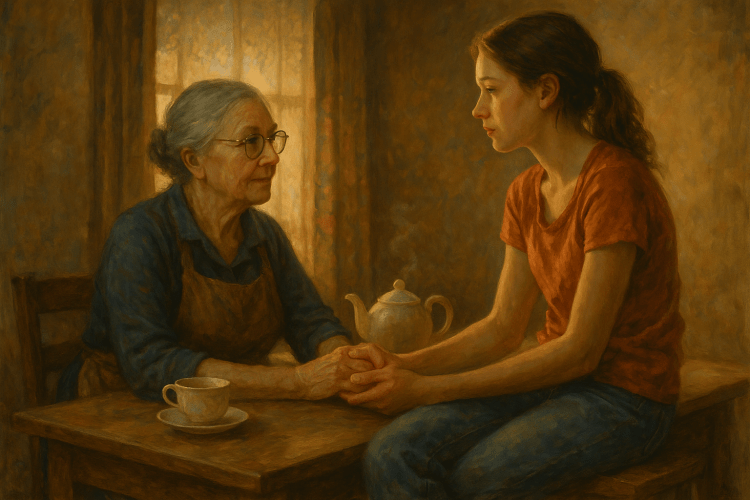
A dialogue between a granddaughter and her grandmother
Scene: The kitchen is quiet now, the light outside turning golden. The teapot is empty, but the warmth between them lingers. The grandmother leans back, smiling softly at her granddaughter — the kind of smile that carries both memory and hope.
Granddaughter: Grandma, you’ve told me what love feels like when it’s real. But how do you really know if it’s right before you say “I do”?
Grandmother: That’s a wise question, sweetheart — wiser than most your age ask. Knowing isn’t about a single moment. It’s about the patterns you see when the emotions calm down.
Granddaughter: What kind of patterns?
Grandmother (counting gently on her fingers): Start with faith. If your heart is anchored in God, make sure his is, too. You can’t walk together if one’s following the light and the other’s still chasing shadows. Shared faith doesn’t guarantee an easy life, but it gives you the same foundation when the storms come.
Granddaughter: So religion really does matter?
Grandmother: It matters more than you think. It shapes how you forgive, how you raise children, how you see the world. Without that common ground, even small differences start to feel like miles.
Granddaughter: Okay… what else?
Grandmother: Money. Not how much he earns, but how he treats it. Does he plan, save, and give? Or does he spend like there’s no tomorrow? Marriage magnifies everything — especially money habits. You want to face life as partners, not as each other’s accountant.
Granddaughter: That’s practical, Grandma.
Grandmother (grinning): So is love, darling. It’s not all candlelight and violins. It’s budgets, calendars, and choosing to be kind when you’re both tired.
Granddaughter: And I guess it matters how you treat each other in public too?
Grandmother: Oh yes — never, never speak badly about each other to anyone. The minute you let criticism slip into someone else’s ears, you give them power over your marriage. Protect one another’s reputation like it’s your own.
Granddaughter: What about family?
Grandmother: You marry more than the person — you marry their whole world. Watch how he treats his parents and siblings, and how they treat him. Family is the soil that shaped him. And when you bring him home, see how he fits among your people. If there’s no respect both ways, there’ll be cracks later.
Granddaughter: That’s a lot to think about.
Grandmother: It should be. Also, watch how he treats strangers — the waitress, the cashier, the stray dog. The smallest gestures reveal the biggest truths.
Granddaughter: What about when life gets stressful?
Grandmother: That’s when the real person comes out. See how he reacts under pressure — with patience or temper, faith or fear. The right one won’t crumble at every hardship. He’ll steady you when you start to shake.
Granddaughter: And kids?
Grandmother: Talk about it early. Whether he wants them, how he imagines raising them, what he values in a home. You can’t build together if you’re dreaming in opposite directions. You will be married singles.
Granddaughter: You always say habits tell the truth.
Grandmother: They do. Look for balance. Someone who knows moderation — with food, drink, work, and even opinions. Extremes wear people out. Balance keeps peace alive.
Granddaughter: What about his purpose — like, his job or calling?
Grandmother: A man who feels called to something greater than himself carries a steadier joy. It doesn’t have to be glamorous. But it has to mean something. When life gets heavy, purpose keeps him from drifting. How does he handle disillusionment? It WILL come.
Granddaughter: Can he talk about emotions? Like fear, grief, or joy?
Grandmother: He needs to. If he can’t name what he feels, he’ll turn silence into walls. Find someone who can talk through pain, who can admit fear, who can celebrate joy without shame. That’s emotional honesty — and that’s love’s backbone.
Granddaughter: What about his heroes?
Grandmother: Ask who he admires. A man’s role models are the map to his values. If he looks up to people of integrity — who serve others quietly — that’s a good sign.
Granddaughter: And self-awareness?
Grandmother: Oh, that’s gold. Can he say, “I was wrong”? Can he admit when he’s hurt someone and try to make it right? Pride destroys more love stories than infidelity ever could.
Granddaughter (pausing): Grandma, this is a lot to remember.
Grandmother (smiling warmly): It is — because marriage isn’t luck. It’s wisdom, patience, and prayer. But I’ll tell you one last thing — maybe the most important of all.
Granddaughter: What’s that?
Grandmother (leaning close): If the boy — or the man — isn’t just as curious about you… your faith, your family, your hopes, your habits, your fears, your calling — if he doesn’t want to know your story and your soul — then make sure he knows without any doubt: you are not someone to be half-known. You are someone to be understood, cherished, and respected in full — or not at all.
Oh, one more thing: No regrets. Strive to make wise choices. The best thing you want to be able to say when you get to be my age is “No regrets!”
(The granddaughter nods slowly. The kettle whistles again, and her grandmother rises to refill it — calm, steady, radiant with the kind of wisdom only a lifetime of love can teach.)
An overly serious guide to surviving the smallest challenges in life — one crooked picture, dead battery, and existential dishwasher load at a time.
How to Hang a Picture Straight (Until Gravity Intervenes)
Step one: believe in yourself. Step two: realize that belief is misplaced. You begin with noble intentions — tape measure in hand, level app open, pencil behind your ear like a master craftsman. The first nail goes in perfectly. You step back, squint, tilt your head, and it’s crooked. You adjust. Now it’s more crooked. You consult the laws of physics, the spirit of Michelangelo, and finally your spouse, who declares it “fine.” You both nod in silence, knowing it’s not fine. The picture now leans like it’s whispering a secret to the floor. But here’s the truth: nothing is ever perfectly straight. Life, walls, and old houses all bend a little — and that’s where the charm hangs. You’ll pass by it tomorrow and think, maybe it’s the frame that’s off. You’ll leave it, knowing deep down that you’ve achieved something far more valuable than symmetry — peace through surrender.
How to Replace Batteries and Find the Remote Without Losing Faith in Humanity
First, accept that the remote has its own free will. It hides not out of malice but for sport. You’ll begin the search confident — couch cushions, coffee table, under the newspaper — and gradually devolve into muttering accusations at the cat. When you finally locate it (perhaps under a blanket or behind a decorative pillow), your victory is short-lived. The batteries are dead. You pry off the back cover, which instantly vanishes into another dimension, and dig through your junk drawer — a museum of expired warranties, old receipts, and exactly one AA battery. After aligning the mysterious + and – symbols, you press the button. Nothing. You flip them. Nothing again. You question the integrity of battery manufacturers and possibly the concept of hope itself. Finally, you find a new pair that works, and when the screen flickers back to life, it feels less like success and more like survival. The true moral: the remote controls you, not the other way around.
How to Assemble IKEA Furniture Without Destroying Your Marriage
It always begins the same way: optimism, an Allen wrench, and a relationship worth testing. The instructions are hieroglyphics drawn by someone who believes words are for the weak. Step one looks simple enough. By step five, you’re holding three dowels, two bolts, and a philosophical crisis. One of you insists on following the manual; the other claims to have “a system.” You take turns blaming the missing screw, the deceptive picture, and gravity itself. Hours later, you both stand over the completed furniture — slightly leaning, but functional — feeling as though you’ve survived a shared trauma. You swear never to shop there again, knowing full well you’ll be back by next weekend for a lamp named Flötsnörk. The furniture may wobble, but your love, against all odds, remains intact — loosely assembled, but holding.
How to Load a Dishwasher Correctly (According to Everyone Else)
The dishwasher is not an appliance — it’s a battleground of competing moral codes. The Pre-Rinsers believe every speck of food must be obliterated before loading, as if the machine requires purity. The Free-Loaders believe in faith alone: throw it in and let destiny decide. You hover between them, rearranging plates while pretending to be neutral. Forks go down, because safety; no, up, because sanitation. Cups must face inward for water flow, unless you’re married to someone who insists on “air efficiency.” By the end, you’re simply moving things for the illusion of control. You close the door with a satisfying click, hit “Start,” and hear the whoosh of reconciliation. In that moment, you realize the dishwasher doesn’t care who’s right — it just wants you both to stop arguing long enough for it to do its job.
How to Make Coffee Before You’re Awake
Before dawn, your brain negotiates with consciousness. You stumble toward the kitchen, guided only by instinct and caffeine withdrawal. You scoop grounds with the precision of someone performing brain surgery in mittens. Too much, and you’ll vibrate through space-time; too little, and the morning collapses. You pour water, forget the filter, remember too late, and baptize the counter in dark roast. The machine coughs, groans, and begins to hum like an angel warming up. That first drip hits the pot and fills the air with forgiveness. You take your first sip, feel your soul reboot, and briefly believe in the goodness of humanity. Then you realize you forgot to buy cream, and all faith is lost again. Coffee teaches humility: even perfection tastes bitter without balance.
How to Fold a Fitted Sheet (A Tragic Love Story)
The fitted sheet is proof that geometry has a sense of humor. You begin with optimism, clutching two corners like a bullfighter facing elastic destiny. You fold, twist, and tuck, determined to find logic in chaos. Somewhere along the way, you lose track of the corners — and yourself. You consult a YouTube tutorial, but the demonstrator’s hands move like divine beings beyond mortal comprehension. After twenty minutes, you accept defeat, roll the sheet into a soft cotton burrito, and declare victory. It’s not neat, but it fits in the closet, and that’s what matters. Like love, the fitted sheet cannot be tamed — only embraced, forgiven, and stored out of sight.
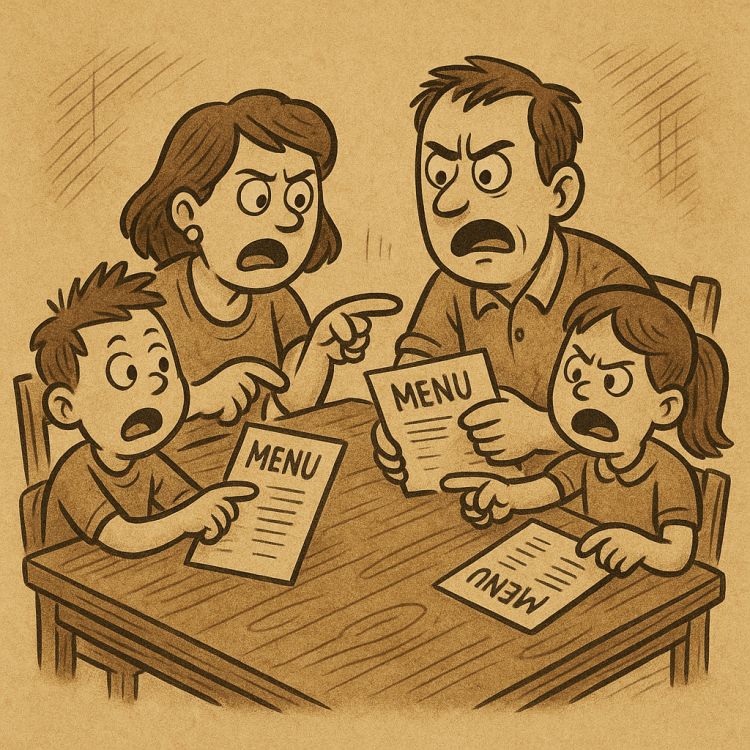
How to Decide What’s for Dinner Without Triggering a Family Civil War
Few negotiations in history are as fraught as the nightly dinner decision. It begins politely — “What do you want?” “I don’t know, what do you want?” — and descends quickly into stalemate. You scroll through takeout options like diplomats parsing a treaty, rejecting ideas not on merit but mood. Tacos sound good until someone remembers the cleanup. Pasta feels lazy. Salad sparks open rebellion. Thirty minutes later, you’ve burned more energy debating food than you would’ve spent cooking it. Eventually, pizza rises as the universal peace accord of modern civilization. It’s round, democratic, and no one has to wash dishes. The kitchen cools, the world steadies, and the family survives another night of culinary politics.
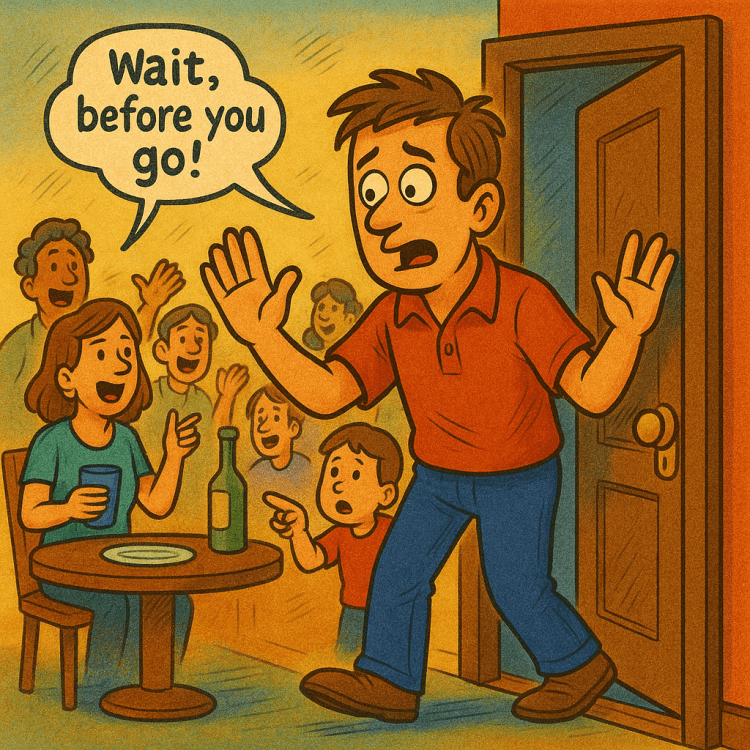
How to Leave a Party Gracefully (After Saying Goodbye 14 Times)
There’s no elegant exit — only stages of attempted escape. The first goodbye happens near the snacks, confident and cheerful. Then someone stops you with “Wait, before you go…” Twenty minutes later, you’re in the hallway, trapped in a conversation about podcasts. You edge toward the door, coat in hand, smile frozen in farewell fatigue. At the threshold, someone remembers a story you simply must hear. You stay, nodding, waiting for a natural pause that never comes. When you finally break free, you’ve achieved nothing short of diplomatic withdrawal. Driving home, you realize you left your casserole dish behind — and that you’ll have to return for it tomorrow, re-entering the social labyrinth anew.
How to Remember Why You Walked Into the Room
You stride in with purpose. You know you came for something — but what? You stand in silence, scanning the room like a detective in a crime scene, mentally retracing your steps. Was it your phone? Your keys? No, that’s too obvious. Perhaps it was your sense of direction, now gone forever. You backtrack to the kitchen, open a drawer you don’t remember opening, and — miracle — it comes to you! Then, by the time you reach the doorway again, you’ve forgotten why you remembered. Forgetfulness, like time, is circular. The best you can do is laugh and hope it comes back around before bedtime.
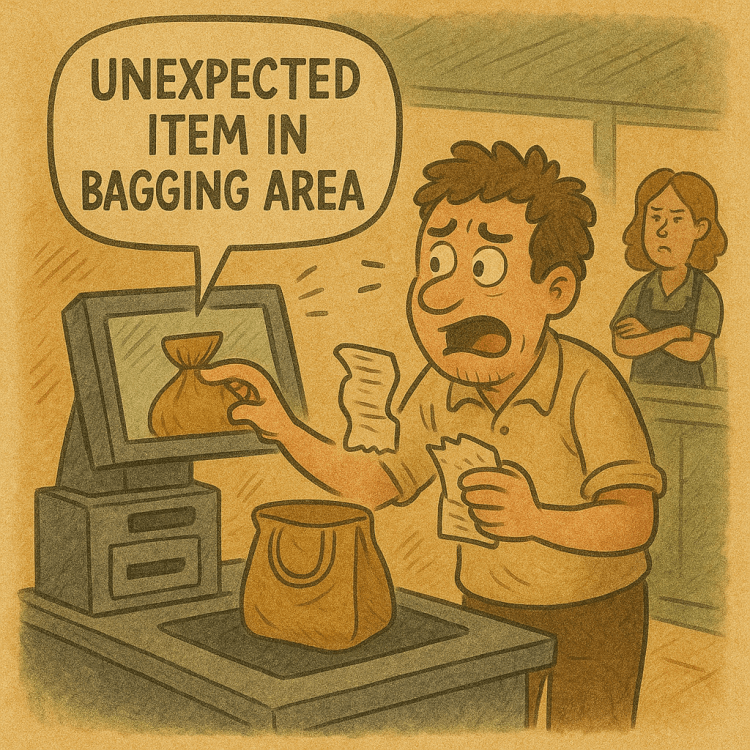
How to Use a Self-Checkout Without Being Judged by the Machine
The self-checkout promises efficiency and delivers psychological warfare. You scan your first item. Beep. You feel proud. Then it begins: “Unexpected item in bagging area.” Panic. You freeze, look at your hands as if they’ve betrayed you. You lift the bag, set it down again. “Remove item from bagging area.” The voice grows colder, the light flashes red, and the attendant approaches with that weary smile of someone who’s seen too much. You explain, they nod, and the machine resets — briefly. You reach for the next item, and it begins again. By the end, you’ve confessed to crimes you didn’t commit just to make it stop. You leave the store sweating, clutching your receipt like a pardon.
How to Set a Digital Clock on Your Microwave
It’s blinking 12:00. You try to ignore it, but it mocks you — a silent reminder that time itself has power over you. You press “Clock.” Nothing happens. You press “Set.” It resets the timer. You press “Cancel,” which erases your soul. The beeping grows smug. Eventually, you push random buttons until something changes, and for a brief, glorious moment, it shows the right time. Then there’s a power surge, and it blinks again. You surrender. The microwave has declared eternal midnight, and you are its obedient subject. Every time you glance at it, you’re reminded: control is an illusion, and punctuality is for the naïve.
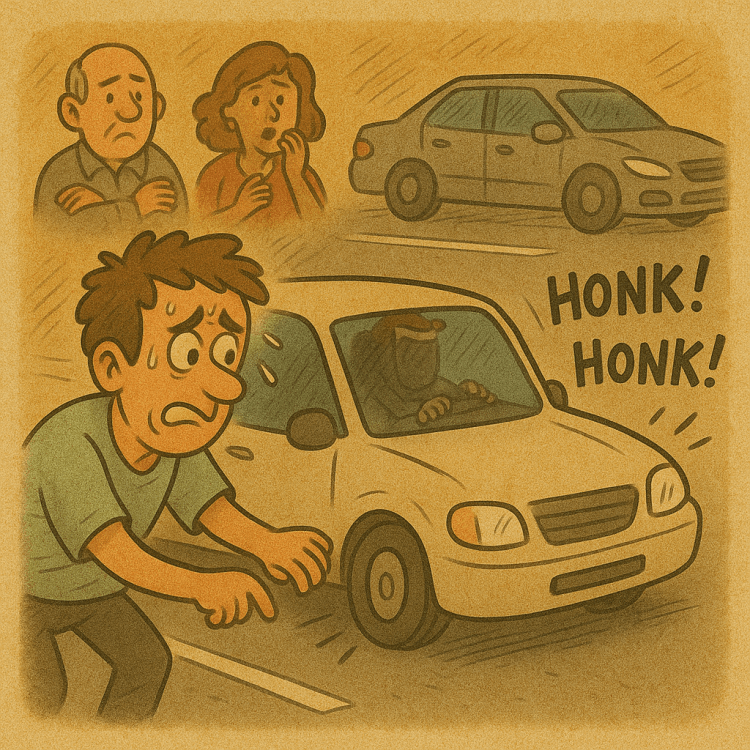
How to Back Into a Parking Spot Like You Know What You’re Doing
You spot your space and line up your vehicle with the confidence of a seasoned stunt driver. The first attempt goes wide. The second sends your sensors screaming. You pretend it’s intentional, that you’re just “adjusting angles.” Onlookers pause, whispering. A line of cars forms behind you, the automotive equivalent of judgment. You finally slide in — slightly diagonal but close enough to legal — and sit in silence, pretending to check your phone while your heart rate stabilizes. When you exit, you nod to imaginary fans as though it were a deliberate flourish. You will never return to that parking lot again.
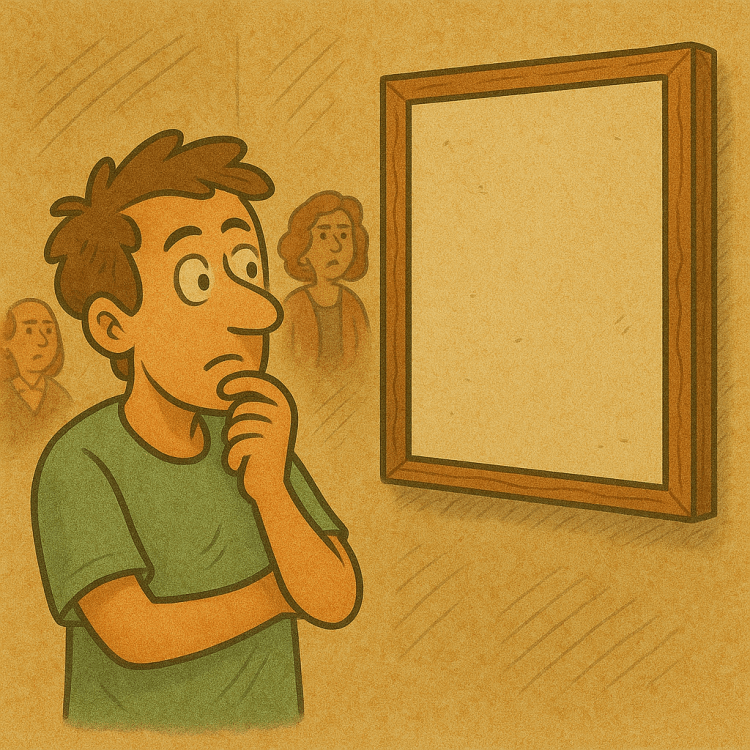
How to Pretend You Understand Modern Art at a Gallery
Walk slowly. Squint often. Tilt your head as if listening to the painting. Whisper phrases like “the tension between form and void” or “the artist’s relationship with entropy.” Never admit confusion; ambiguity is the currency of culture. If the piece looks like something your toddler could do, that’s when you lean in and murmur, “It’s a commentary on innocence.” Smile knowingly and move on before anyone asks questions. Remember, in the world of modern art, confidence is comprehension — and the more puzzled you are, the more profound you appear.
How to Look Busy on Zoom When You’ve Zoned Out Entirely
It’s 2:37 p.m., and your soul has left your body. The meeting drones on. You master the sacred trifecta: nod, squint, and furrow. Occasionally unmute to say “Yes, good point,” before quickly muting again to whisper apologies to your dog. Your eyes dart across fake spreadsheets as your brain replays childhood memories. When someone calls your name, you repeat their last three words in a thoughtful tone — a timeless survival technique. As the meeting ends, you smile, stretch, and pretend you’ve accomplished something meaningful. In truth, you’ve just earned an honorary degree in performance art.
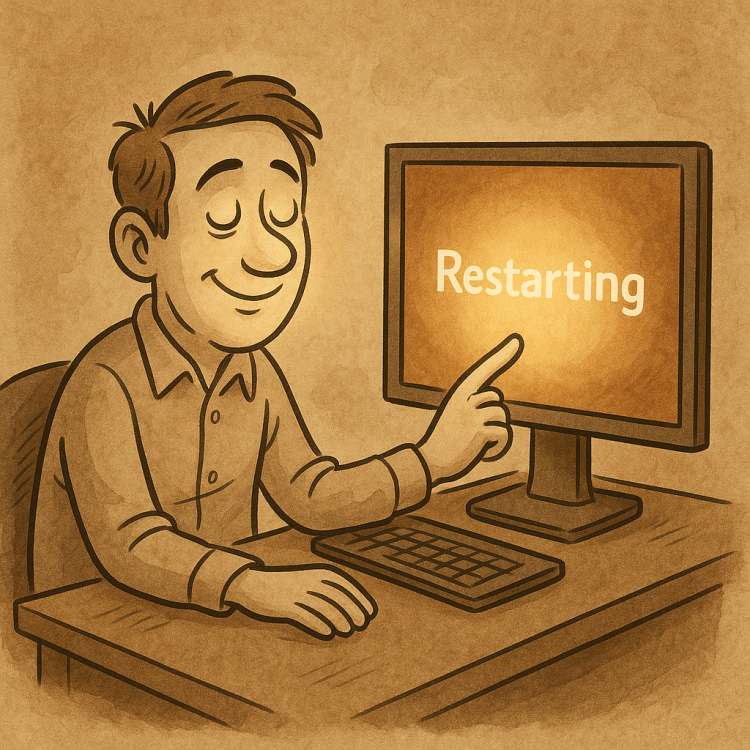
How to Restart Your Computer (and Your Life)
You’ve tried everything. The screen freezes, your patience collapses, and you begin negotiating with technology like an ancient priest. “Just one more click,” you plead. It ignores you. You sigh, press “Restart,” and watch the glowing circle spin — the modern mandala of surrender. In that moment, you realize the wisdom hidden in circuitry: sometimes you have to stop everything to start again. As your computer hums back to life, so do you. A clean desktop. A fresh start. Proof that even machines believe in resurrection.
Final Reflection: The Philosophy of the Everyday
Maybe the point isn’t to master these things at all. Maybe it’s to laugh through the mess — the crooked pictures, tangled cords, burnt toast, and blinking clocks. Life’s small struggles remind us that perfection is a myth and humility the only real user manual. We don’t conquer the domestic world; we dance awkwardly with it. So hang the picture, fold the sheet, make the coffee, and misplace the remote. You’re not failing — you’re participating in the grand comedy of being human. Somewhere, the universe is chuckling too, slightly crooked on its own cosmic nail.





 Let's Talk About It, Lewis!
You must be logged in to post a comment.