Today is the 40th anniversary of a day I wish had not happened. We were overly involved in giving Marriage Encounter weekends, chairing the PTA in our school, being almost a full-time volunteer at a new church we were building, running a business and raising a teenager. I had worked on a church finance report at my office, went home at 2:30 am, and was on a 7 am flight for an all-day meeting in College Station. I got home that night and could not remember a single thing about the meeting or even flying. It was days before I could recover from a meltdown, not of anger but disgust with myself for trying to be everything for everybody.
I am stealing Linda’s favorite Bible verse today. She repeats it very often and has it placed in a prominent spot in our house. It has become one of my favs, too. She repeats it in common voice. I read it as BE STILL! And know that I am God.
“Be still, and know that I am God.” The sentence is short, balanced, almost deceptively simple. Yet for centuries it has carried the weight of wars, exile, fear, worship, and quiet trust. Found in Psalm 46, this line is not a gentle suggestion whispered to people lounging in peace. It is a command spoken into chaos.
Psalm 46 opens with motion and violence: the earth giving way, mountains falling into the sea, waters roaring and foaming, nations in uproar, kingdoms tottering. The psalmist piles instability upon instability until the world feels unmoored. Only then comes the command: Be still. In the original Hebrew, the phrase carries the sense of “cease,” “let go,” or even “drop your weapons.” It is not passive calm; it is the deliberate ending of frantic striving. God is not saying, “Relax, nothing matters.” He is saying, “Stop acting as though everything depends on you.”
That context matters. This verse is often lifted out and framed as a personal mantra for stress relief, and it certainly speaks to the anxious heart. But originally it is cosmic in scale. God addresses the nations themselves—armies, rulers, systems, and powers—telling them to stand down and recognize who truly governs history. Human noise does not unsettle Him. Political turbulence does not confuse Him. Natural disasters do not surprise Him. Stillness is not for God’s benefit; it is for ours, so that recognition can happen.
To “know” God here is not mere intellectual assent. In biblical language, knowing is relational and experiential. It is the difference between reading about fire and feeling its warmth. Stillness creates the conditions for that knowledge. When activity, argument, fear, and self-justification pause, awareness sharpens. The mind stops racing long enough to perceive what was already true: God is present, sovereign, and unthreatened.
The psalm balances this command with reassurance. Just a few verses earlier we read that God is “an ever-present help in trouble.” Stillness is not abandonment. It is trust enacted. It is the refusal to panic as a form of faith. The river that “makes glad the city of God” flows quietly even as nations rage. The contrast is intentional. God’s sustaining power does not roar; it endures.
Across Scripture, this pattern repeats. Stillness precedes revelation. Moses stands at the Red Sea with no visible escape. Elijah hears God not in wind or earthquake or fire, but in a low whisper. Jesus sleeps in a storm while seasoned fishermen panic, then rises and stills the waves with a word. In each case, divine authority is revealed not through frantic motion but through unshakable calm.
In modern life, stillness is countercultural. We reward speed, productivity, instant reaction, and constant commentary. Silence feels unproductive, even irresponsible. Yet Psalm 46 insists that some truths cannot be grasped while running. Knowing God requires space—space for listening, space for humility, space for surrender. Stillness becomes an act of resistance against the illusion of control.
The verse ends with a promise: “I will be exalted among the nations, I will be exalted in the earth.” God’s sovereignty is not fragile. It does not depend on our vigilance or anxiety. History bends toward His purposes whether we strain ourselves or rest in Him. Stillness does not delay His work; it aligns us with it.
“Be still, and know that I am God” is therefore both comfort and confrontation. It comforts the weary by lifting the burden of omnipotence from human shoulders. It confronts the proud by exposing how much noise we make to avoid surrender. In stillness, excuses fall away. What remains is God—present, powerful, and worthy of trust.
The strange irony is that the world does not become quieter when we obey this command. Wars may still rage. Markets may still swing. Illness may still come. But the soul grows anchored. Stillness does not change circumstances first; it changes perception. And with that change comes a steadiness that no external upheaval can easily steal.
In the end, the verse does not invite escape from reality. It invites deeper engagement with it—rooted not in fear or frenzy, but in the knowledge that God is God, and we are not.
A small confession: I was up until 2:30 this morning working on a project and loving it. Some of us never learn. LFM
Silent night, holy night! All is calm, all is bright ’Round yon Virgin, Mother and Child. Holy infant so tender and mild, Sleep in heavenly peace, Sleep in heavenly peace.
Silent night, holy night! Shepherds quake at the sight, Glories stream from heaven afar, Heavenly hosts sing: Alleluia! Christ the Savior is born, Christ the Savior is born.
Silent night, holy night! Son of God, love’s pure light Radiant beams from Thy holy face, With the dawn of redeeming grace, Jesus, Lord, at Thy birth, Jesus, Lord, at Thy birth.
Silent Night: The Meaning of a Song the World Keeps Singing
When Silent Night was first sung on Christmas Eve in 1818, it arrived without fanfare. There was no great choir, no organ swelling beneath vaulted ceilings. The instrument most associated with the moment—a simple guitar—stood in for a broken organ in a small Austrian village church. A young priest’s poem and a schoolteacher’s melody met necessity, not ambition.
Nothing about that night suggested permanence. And yet the song endured.
It endured because Silent Night never tried to do too much. It did not explain Christmas. It did not argue doctrine. It simply named the moment at the heart of the Christian story: stillness, vulnerability, and peace entering the world quietly.
A Song Born of Quiet Necessity
Joseph Mohr, the priest who wrote the lyrics, had lived close to hardship. Franz Xaver Gruber, who composed the melody, was a village schoolteacher accustomed to making do. Their collaboration was practical and pastoral rather than artistic in the modern sense. The result was a hymn that ordinary people could sing without strain, remember without effort, and carry with them without instruction.
That simplicity is not accidental. The song mirrors its subject. The birth it describes is not dramatic. The setting is modest. The revelation unfolds without spectacle. Heaven does not interrupt the world—it enters it.
A Brief Turn Through History
Nearly a century later, during World War I, Silent Night surfaced unexpectedly in a very different setting. Letters written by soldiers in December of 1914 document a brief, unofficial pause in fighting on parts of the Western Front, during which familiar carols—including Stille Nacht—were sung across opposing trenches.
The moment was limited and fragile. It changed nothing strategically. The war continued.
It is remembered not because it altered history, but because it confirmed something already true about the hymn: Silent Night does not command events. It accompanies them.
With that, the story rightly returns to the song itself.
What the Hymn Is Really Saying
At its core, Silent Night makes a quiet but radical claim: that the decisive moment in human history did not arrive with noise, power, or force.
God enters the world as a child who sleeps.
The hymn lingers not on the politics of the time or the dangers beyond the stable, but on calm—heavenly peace—as something present even when circumstances remain uncertain. The peace the song names is not the absence of threat; it is the presence of God within it.
That distinction explains why the hymn has never felt outdated. Every generation understands unrest. Every generation recognizes the longing for a peace that does not depend on control.
The Power of Restraint
What Silent Night refuses to do is as important as what it does.
It does not rush toward resolution.
It does not elevate volume or tempo to stir emotion.
It does not insist that the listener feel anything at all.
Instead, it creates space.
In that space, listeners are invited—not coerced—to consider a different measure of significance. Greatness arrives quietly. Light does not overwhelm darkness; it appears within it. The world does not stop, but it is momentarily reoriented.
Why the Song Endures
For more than two centuries, Silent Night has survived translation, adaptation, and cultural change because it rests on something deeper than style. Its endurance is rooted in recognition. People hear it and know, instinctively, that it is telling the truth about something essential.
It belongs equally in grand cathedrals and modest living rooms. It can be sung by choirs or whispered by a single voice. It does not demand perfection. It welcomes presence.
A Song for Every Age
Each year, when candles are lit and the final hymn begins, Silent Night does what it has always done. It slows the room. It lowers the temperature of the world just enough for reflection to occur.
Not because everything is calm. Not because the night is truly silent.
But because, for a moment, we are willing to believe that peace does not need to be manufactured or enforced—only received.
And that belief, carried quietly from one generation to the next, is why the world keeps singing.
The story of The Little Drummer Boy endures because it speaks to something quietly universal: the fear of having nothing worthy to give—and the surprising discovery that what we already carry may be enough.
At its heart, the tale is simple. A poor boy is summoned to see the newborn King. He arrives empty-handed, surrounded by gifts of gold, frankincense, and myrrh—treasures far beyond his reach. Overwhelmed by the gap between what others bring and what he has, the boy does the only thing he can think to do. He plays his drum.
The Anxiety of the Small Gift
The boy’s first emotion is not joy but anxiety. “I have no gift to bring that’s fit to give our King.” In that moment, he represents anyone who has stood on the edge of a holy or meaningful moment and felt unqualified—too poor, too ordinary, too late. The story does not rush past this feeling. It lingers there, honoring the reality that comparison often steals wonder before it can begin.
This is one of the story’s quiet strengths: it does not pretend that humility comes easily. The boy must first face the ache of insufficiency.
Permission to Be Himself
What changes everything is not the boy’s ingenuity, but permission. Mary looks at him and invites him to play. The invitation matters. The story suggests that grace often begins when someone allows us to offer what we already are, rather than what we think we should be.
The drum is not refined. It is not valuable. It is noisy, simple, and unmistakably the boy’s. Yet once it is welcomed, it becomes an offering. Not because it is impressive, but because it is honest.
The Gift of Presence
When the boy plays, the story tells us he plays his best. That phrase is crucial. He is not trying to match the Magi; he is not apologizing anymore. He is fully present. In that sense, the gift is not the music alone—it is attention, effort, and love given without pretense.
The child Jesus smiles. The King receives the gift.
The story quietly overturns the idea that worth is measured by cost. What matters is alignment: a gift that comes from who we truly are, offered sincerely, without disguise.
A Theology Without Sermons
Though the story is not Scripture, it echoes a deeply biblical idea: God’s regard for the lowly and overlooked. Shepherds, fishermen, widows’ mites, mustard seeds—the pattern is familiar. The Little Drummer Boy simply retells it in a form that feels personal and immediate.
It suggests that the divine does not merely tolerate small gifts; it delights in them when they are real.
Why the Story Endures
The Little Drummer Boy persists across generations because it reassures us at precisely the point where modern life often pressures us most. In a world obsessed with scale, achievement, and comparison, the story whispers another truth: you do not have to become someone else to belong.
You do not need gold if you have faithfulness. You do not need eloquence if you have sincerity. You do not need perfection if you have love.
The Quiet Ending
The story does not end with applause or acclaim. The boy does not become famous. He simply plays, and that is enough. The moment passes, but it is complete.
And perhaps that is the final gift the story offers us: the reminder that the most meaningful offerings are often small, brief, and unseen—yet fully received.
In the end, pa rum pum pum pum is not a rhythm of poverty. It is the sound of a heart saying, This is who I am. This is what I have. I give it gladly.
Good. The story behind the writer?
The Story Behind the Writer of The Little Drummer Boy
The enduring power of The Little Drummer Boy is inseparable from the quiet, disciplined life of the woman who wrote it: Katherine Kennicott Davis. Her story is not one of sudden fame or public acclaim, but of long obedience in an often-overlooked calling—teaching, composing, and serving faithfully far from the spotlight.
A Scholar First, Not a Celebrity
Katherine Davis was born in 1892 in Missouri and trained seriously in music at a time when professional composition was still a difficult path for women. She studied at Wellesley College and later at the New England Conservatory of Music, grounding herself in classical technique, theory, and pedagogy. Her formation mattered. Davis did not write sentimentally or casually; she wrote with intention, structure, and restraint.
Her career unfolded primarily in education. For decades she taught music at Concord Academy in Massachusetts, shaping young musicians rather than performing for large audiences. She was, by temperament and vocation, a teacher—someone accustomed to encouraging small, imperfect offerings and helping students give their best.
That posture would later define her most famous work.
A Carol Born in the Shadow of War
Davis composed the song in 1941, originally titling it “Carol of the Drum.” The year matters. Europe was already engulfed in World War II, and the United States would enter the conflict before the year ended. The world was loud with power, violence, and grand displays of might.
Against that backdrop, Davis wrote a carol centered not on kings or armies, but on a poor child with nothing but a simple rhythm.
The contrast is striking. While nations were measuring strength in weapons and wealth, Davis imagined holiness revealed through humility and attention.
Why a Drummer Boy?
The drummer boy was not a traditional biblical figure. Davis drew inspiration from legends and French carol traditions that emphasized folk characters at the Nativity—ordinary people who came not because they were summoned by status, but because they were nearby.
A drum is especially revealing as an instrument choice. It is not melodic or refined. It keeps time. It supports others. It is often played by those who march behind, not those who lead. In choosing a drum, Davis made a theological and artistic statement: service itself can be music.
This fits seamlessly with her life as an educator—someone whose work structured and supported others rather than drawing attention to herself.
Slow Recognition, Lasting Impact
For years, Carol of the Drum remained relatively obscure. It was not until the 1950s, when it was recorded by popular artists and retitled The Little Drummer Boy, that it entered the wider cultural consciousness. The irony is unmistakable: Davis became famous for a song about a boy who never seeks fame.
Despite the carol’s growing popularity, Davis did not chase public recognition. She continued teaching, composing children’s music, and writing choral works. When royalties eventually arrived, she quietly directed much of that income back into education—supporting scholarships and music programs.
Her response to success mirrored the message of her song: receive the gift, then pass it on.
A Life That Matches the Message
There is no evidence that Davis intended her carol to become a Christmas staple sung around the world. That, too, aligns with its spirit. The song does not argue or announce; it offers.
Katherine Kennicott Davis lived a life marked by discipline, humility, and service—qualities often hidden behind louder achievements. In writing The Little Drummer Boy, she gave the world not a performance, but a permission: to come as we are, to give what we can, and to trust that sincerity is enough.
The Quiet Legacy
Davis died in 1980, long after her song had circled the globe. Yet her legacy remains remarkably consistent. She is remembered not as a celebrity composer, but as a faithful teacher whose single, gentle carol continues to invite millions into a moment of honest offering.
In the end, Katherine Kennicott Davis did what her drummer boy did: She played what she had. She played it sincerely. And she trusted that it would be received.
Lyrics and a link to a grand orchestra rendition, please.
Here are the lyrics to The Little Drummer Boy† — the classic Christmas song originally published as Carol of the Drum written by Katherine K. Davis (with later arrangement and popularization by Harry Simeone and Henry Onorati):
🎵 The Little Drummer Boy — Lyrics
Verse 1 Come, they told me, pa rum pum pum pum A newborn King to see, pa rum pum pum pum Our finest gifts we bring, pa rum pum pum pum To lay before the King, pa rum pum pum pum Rum pum pum pum, rum pum pum pum So to honor Him, pa rum pum pum pum When we come. YouTube
Verse 2 Little Baby, pa rum pum pum pum I am a poor boy too, pa rum pum pum pum I have no gift to bring, pa rum pum pum pum That’s fit to give a King, pa rum pum pum pum Rum pum pum pum, rum pum pum pum Shall I play for you, pa rum pum pum pum On my drum? YouTube
Bridge Mary nodded, pa rum pum pum pum The ox and lamb kept time, pa rum pum pum pum I played my drum for Him, pa rum pum pum pum I played my best for Him, pa rum pum pum pum Rum pum pum pum, rum pum pum pum Then He smiled at me, pa rum pum pum pum Me and my drum… me and my drum
Few moments in ancient literature capture the moral courage required to speak truth to power as vividly as the encounter between the prophet Nathan and King David. The scene is brief, almost understated, yet it exposes a problem as old as authority itself: what happens when power no longer hears the truth.
David, at this point in the biblical story, is not a fragile leader. He is Israel’s greatest king—military hero, national symbol, and political success. His reign is stable. His enemies are subdued. His legitimacy is unquestioned. That success, however, has begun to insulate him from accountability.¹
The Bible does not soften what happens next, and it is worth telling plainly.
What David Did
One evening, David notices a woman bathing from the roof of his palace. He learns she is married to one of his own soldiers, a man currently fighting on the front lines. David summons her anyway. As king, his request carries force whether spoken gently or not. She becomes pregnant.²
David now faces exposure. Instead of confessing, he attempts to manage the situation. He recalls the husband from battle, hoping circumstances will hide the truth. When that fails, David escalates. He sends the man back to war carrying a sealed message to the commanding general—an order placing him where the fighting is fiercest and support will be withdrawn.³
The man is killed.
The machinery of power functions smoothly. No inquiry follows. David marries the widow. From the outside, the matter disappears. Politically, the problem is solved. Morally, it has only been buried.
This is the danger Scripture names without hesitation: power does not merely enable wrongdoing; it can normalize it.
Why Nathan Matters
Nathan enters the story not as a revolutionary or rival, but as a prophet—someone whose authority comes from obedience to God rather than proximity to the throne. He is not part of David’s chain of command. He does not benefit from David’s favor. That independence is everything.⁴
Nathan does not accuse David directly. Instead, he tells a story.
He describes two men in a town. One is rich, with vast flocks. The other is poor, possessing only a single lamb—so cherished it eats at his table and sleeps in his arms. When a guest arrives, the rich man does not draw from his abundance. He takes the poor man’s lamb instead.⁵
David is outraged. As king, he pronounces judgment swiftly and confidently. The man deserves punishment. Restitution. Consequences.
Then Nathan speaks the words that collapse the distance between story and reality:
**“You are the man.”**⁶
In an instant, David realizes he has judged himself. Nathan names the facts plainly: David used his power to take what was not his, destroyed a loyal man to conceal it, and assumed his position placed him beyond accountability.
This is not a trap meant to humiliate. It is truth delivered with precision. Nathan allows David’s own moral instincts—still intact beneath layers of authority—to render the verdict.
Speaking Truth to Power Is Dangerous
Nathan’s courage should not be underestimated. Kings do not respond kindly to exposure. Many prophets were imprisoned or killed for far less. Nathan risks his position, his safety, and possibly his life. He cannot know how David will react. Faithfulness here is not measured by outcome but by obedience.⁷
Speaking truth to power is rarely loud. It is rarely celebrated. It requires proximity without dependence, clarity without cruelty, and courage without illusion. Nathan does not shout from outside the palace gates. He walks directly into the seat of power and speaks.
David’s response is remarkable precisely because it is not guaranteed:
*“I have sinned against the Lord.”*⁸
Repentance does not erase consequences. Nathan makes that clear. Forgiveness and accountability coexist. The Bible refuses to confuse mercy with immunity.⁹
Why This Story Still Matters
This encounter reveals something essential about power: authority tends to surround itself with affirmation and silence. Over time, wrongdoing becomes justified, then invisible. Institutions close ranks. Loyalty replaces truth. Image replaces integrity.
Nathan represents the indispensable outsider—the one who loves truth more than access and justice more than comfort. He does not seek to destroy David. He seeks to save him from becoming a king who can no longer hear.
Scripture does not present leaders as villains by default. It presents them as dangerous precisely because they are human. Power magnifies both virtue and vice. Without truth, it corrodes.¹⁰
The Broken Hallelujah
This is where Leonard Cohen’s Hallelujah belongs—not as ornament, but as interpretation.
The song opens with David’s musical gift, his calling, his nearness to God:
“Now I’ve heard there was a secret chord That David played, and it pleased the Lord…”
But Cohen does not linger there. He moves quickly to the roof, the bath, the fall:
“You saw her bathing on the roof Her beauty and the moonlight overthrew you.”
Cohen refuses to romanticize David any more than Nathan does. He understands that David’s story is not primarily about victory, but about collapse and confession. And he understands something many listeners miss: praise spoken after exposure cannot sound the same as praise spoken before it.
That is why the refrain matters:
“It’s a broken hallelujah.”
A cheap hallelujah is easy—praise without truth, worship without repentance, confidence without cost. It thrives where power is affirmed but never confronted.¹¹
A broken hallelujah is what remains when illusion is stripped away. It is praise that has passed through judgment. It is faith no longer dependent on image, position, or success. It is what David offers in Psalm 51, after Nathan leaves and the consequences remain.¹²
Nathan does not end David’s worship. He saves it from becoming hollow.
For Our Time
Nathan’s story is not ancient trivia. It is a permanent challenge.
Every generation builds systems that reward silence and discourage dissent—governments, corporations, churches, universities, families. Power still resists accountability. Truth still carries a cost. And praise without honesty still rings empty.
Speaking truth to power does not guarantee reform. It guarantees integrity.
Nathan spoke. David listened. And centuries later, a songwriter captured what that moment sounds like from the inside—not triumphant, not resolved, but honest.
Not every hallelujah is joyful. Some are whispered. Some are broken. And those may be the ones worth hearing most.
Scripture References & Notes
David’s power and success: 2 Samuel 5–10
Bathsheba episode begins: 2 Samuel 11:1–5
Uriah’s death order: 2 Samuel 11:14–17
Nathan as prophet to David: 2 Samuel 7; 2 Samuel 12
Nathan’s parable: 2 Samuel 12:1–4
“You are the man”: 2 Samuel 12:7
Prophetic risk: cf. 1 Kings 18; Jeremiah 20:1–2
David’s confession: 2 Samuel 12:13
Consequences despite forgiveness: 2 Samuel 12:10–14
Power and accountability theme: Proverbs 29:2; Psalm 82
Now I’ve heard there was a secret chord That David played, and it pleased the Lord But you don’t really care for music, do you? It goes like this, the fourth, the fifth The minor falls, the major lifts The baffled king composing Hallelujah
Hallelujah, Hallelujah Hallelujah, Hallelujah
Your faith was strong but you needed proof You saw her bathing on the roof Her beauty and the moonlight overthrew you She tied you to a kitchen chair She broke your throne, and she cut your hair And from your lips she drew the Hallelujah
Hallelujah, Hallelujah Hallelujah, Hallelujah
You say I took the name in vain I don’t even know the name But if I did, well, really, what’s it to you? There’s a blaze of light in every word It doesn’t matter which you heard The holy or the broken Hallelujah
Hallelujah, Hallelujah Hallelujah, Hallelujah
I did my best, it wasn’t much I couldn’t feel, so I tried to touch I’ve told the truth, I didn’t come to fool you And even though it all went wrong I’ll stand before the Lord of Song With nothing on my tongue but Hallelujah
A collaboration between Lewis McLain & AI A long answer to a short question from Tuesday Morning Men’s Bible Study
“Granddad… my faith is slipping.”
“Granddad, can I tell you something and you won’t think less of me? I feel like my faith in God is slipping away. I’ve prayed—truly prayed—for our family to heal, for hearts to soften, for conversations about the Lord to open again. These aren’t selfish prayers. They’re for relationships to be mended, for love to return, for estrangements to disappear.
But nothing changes. Some hearts grow colder. And any mention of God shuts everything down.
Why doesn’t God answer these good prayers? Why is He silent when the need is so great? I don’t want to lose my faith, Granddad… but I don’t know how much more silence or tension I can take.”
**THE GRANDFATHER’S ANSWER:
A Loving Reassurance About the Awakening—The Kairos Moment God Has Appointed**
Come here, child. Sit beside me. I want to tell you something about God’s timing, something Scripture calls kairos—the appointed moment, the perfectly chosen hour when God reaches the heart in a way no human effort ever could.
Before any other story, let’s start with the one Jesus Himself told.
THE PRODIGAL SON: THE PATTERN OF ALL AWAKENINGS
(Luke 15:11–24)
A young man demands his inheritance, leaves home, and wastes everything in reckless living (vv. 12–13). When famine comes, he takes the lowest job imaginable—feeding pigs—and even longs to eat their food (vv. 14–16).
Then comes the sentence that describes every true spiritual awakening:
“But when he came to himself…” (Luke 15:17)
That is the kairos moment.
What exactly happened in that moment?
Reality shattered illusion. He saw his condition honestly for the first time.
Memory returned. He remembered his father’s goodness.
Identity stirred. He realized, “This is not who I am.”
Hope flickered. “My father’s servants have bread enough…”
The will turned. “I will arise and go to my father.” (v. 18)
Notice something important:
No one persuaded him.
No sermon reached him.
No family member argued with him.
No timeline pressured him.
His awakening came when the Father’s timing made his heart ready.
The father in the story doesn’t chase him into the far country. He waits. He watches. He trusts the process of grace.
And “while he was still a long way off,” the father sees him and runs (v. 20).
Why this matters for your prayers:
You’re praying for the very thing Jesus describes here. But the awakening of a heart—any heart—comes as God’s gift, in God’s hour, through God’s patient love.
The Prodigal Son shows us: God can change a life in a single moment. But He decides when that moment arrives.
This is the foundation. Now let me walk you through the other stories that prove this pattern again and again.
1. Jacob at Peniel — The Wrestling That Revealed His True Self
(Genesis 32:22–32)
Jacob spent years relying on himself. But his heart did not change— not through blessings, not through hardship, not through distance.
Only when God wrestled him in the night and touched his hip (v. 25) did Jacob awaken.
This was his kairos:
When his strength failed, his faith was born.
He limped away, but walked new— with a new name, a new identity, and a new dependence on God.
2. Nebuchadnezzar — One Glance That Restored His Sanity
(Daniel 4:28–37)
After years of pride, exile, and madness, his turning point wasn’t long or gradual. It happened in one second:
“I lifted my eyes to heaven, and my sanity was restored.” (Dan. 4:34)
The moment he looked up was the moment God broke through.
Kairos is when God uses a single upward glance to undo years of blindness.
3. Jonah — The Awakening in the Deep
(Jonah 2)
Jonah ran from God’s call until he reached the bottom of the sea. Only there, trapped in the fish, did Scripture say:
“When my life was fainting away, I remembered the LORD.” (Jonah 2:7)
That remembering? That was kairos.
When every escape ended, God opened his eyes.
4. David — Truth Striking in One Sentence
(2 Samuel 12; Psalm 51)
Nathan’s story awakened what months of hidden sin could not. When Nathan said, “You are the man” (2 Sam. 12:7), David’s heart broke open.
He went from blindness to confession instantly:
“I have sinned against the LORD.” (v. 13)
Psalm 51 pours out the repentance birthed in that moment.
Kairos often comes through truth spoken at the one moment God knows the heart can receive it.
5. Peter — The Rooster’s Cry and Jesus’ Look
(Luke 22:54–62)
After Peter’s third denial, Scripture says:
“The Lord turned and looked at Peter.” (v. 61)
That look shattered Peter’s fear and self-deception.
He went out and wept bitterly— not because he was condemned, but because he was awakened.
Kairos can be a look, a memory, a sound—something only God can time.
6. Saul — A Heart Reversed on the Damascus Road
(Acts 9:1–19)
Saul was not softening. He was escalating.
But Jesus met him at the crossroads and asked:
“Why are you persecuting Me?” (v. 4)
That question was a divine appointment—the moment Saul’s life reversed direction forever.
Kairos is when Jesus interrupts a story we thought was going one way and writes a new one.
7. What All These Stories Teach About Kairos Moments
Across all Scripture, kairos moments share the same attributes:
1. They are God-timed.
We cannot rush them. (Ecclesiastes 3:11)
2. They are God-initiated.
Awakenings are born of revelation, not persuasion. (John 6:44)
3. They break through illusion and restore reality.
“Coming to himself” means the heart finally sees truth. (Luke 15:17)
4. They lead to movement toward God.
Every awakening ends with a step homeward.
Your prayers are not being ignored. They are being gathered into the moment God is preparing.
8. Why This Matters for Your Family
You are praying for softened hearts, restored relationships, spiritual awakening. Those are kairos prayers, not chronos prayers.
Chronos is slow. Kairos is sudden.
Chronos waits. Kairos transforms.
You can’t see it yet, but God is preparing:
circumstances
conversations
memories
encounters
turning points
just like the father of the prodigal knew that hunger, hardship, and reflection would eventually lead his son home.
The father didn’t lose hope. He didn’t chase the son into the far country. He trusted that God’s timing would bring his child to the awakening moment.
You must do the same.
**9. Take Courage, Sweetheart:
The God Who Awakened Prodigals Will Awaken Hearts Again**
The Prodigal Son’s turning point didn’t look like a miracle. It looked like ordinary hunger.
David’s looked like a story. Peter’s looked like a rooster. Saul’s looked like a question. Nebuchadnezzar’s looked like a glance. Jonah’s looked like despair. Jacob’s looked like a limp.
Kairos moments rarely look divine at first. But they are.
And when God moves, hearts—no matter how hard—can turn in a single breath.
Don’t lose faith, child. The silence is not God’s absence. It is God’s preparation.
And when your family’s kairos moment comes, you will say what the father in Jesus’ story said:
“This my child was dead, and is alive again; was lost, and is found.” (Luke 15:24)
Until then, hold on. Your prayers are planting seeds that God will awaken in His perfect time.
Thanksgiving is more than a polite gesture in Scripture—it is a spiritual practice rooted in truth, memory, and worship. Gratitude pulls the believer’s heart away from fear and entitlement and redirects it toward trust, humility, and joy. It is one of Scripture’s most repeated teachings because it shapes the soul. Through thanksgiving, we learn to see God’s hand in our lives, remember His faithfulness, and live with open eyes and open hearts. These ten biblical groupings reveal a complete and interconnected theology of gratitude, showing why thanksgiving is essential for the Christian life.
1. Direct Commands to Give Thanks
The Bible does not treat thanksgiving as optional. It is commanded repeatedly because gratitude is a safeguard for the soul—it breaks pride, counters anxiety, renews memory, and keeps the heart anchored in God’s goodness. God commands thanksgiving not because He needs praise, but because we need the spiritual clarity that thanksgiving produces.
Key Scriptures:
1 Thessalonians 5:18 — “Give thanks in all circumstances; for this is God’s will for you in Christ Jesus.”
Psalm 107:1 — “Give thanks to the LORD, for he is good; his love endures forever.”
Psalm 136:1 — “Give thanks to the LORD, for he is good. His love endures forever.”
Colossians 3:15–17 — “Be thankful…with gratitude in your hearts…giving thanks to God the Father.”
Thanksgiving here is obedience shaped by trust.
2. Thanksgiving as Worship
Thanksgiving is not separate from worship—it is the doorway into it. In Scripture, gratitude is how the Believer approaches God. It is how we acknowledge His greatness and His character before asking for anything else. Thanksgiving reminds us of who God is, long before we focus on what we need.
Key Scriptures:
Psalm 100:4 — “Enter his gates with thanksgiving and his courts with praise.”
Psalm 95:2 — “Let us come before him with thanksgiving and extol him with music and song.”
Hebrews 13:15 — “Let us continually offer to God a sacrifice of praise.”
Thanksgiving becomes the worshiper’s first act of reverence.
3. Examples of Thankfulness in Action
Scripture gives concrete stories showing gratitude practiced in real life: under pressure, in danger, during scarcity, after healing, and before miracles. These examples reveal that thanksgiving is not dependent on circumstances but grows out of faith, memory, and relationship with God.
Key Scriptures:
Daniel 6:10 — Daniel “gave thanks to his God” though it might cost him his life.
Luke 17:15–16 — One healed leper returned to thank Jesus—gratitude sets him apart.
John 6:11 — Jesus gives thanks before the loaves multiply, teaching that gratitude comes before abundance.
Acts 27:35 — Paul gives thanks publicly during a storm to strengthen others.
These examples show thanksgiving is a testimony—seen, heard, and influential.
4. Thanksgiving for God’s Works and Deliverance
Thanksgiving in Scripture is deeply tied to remembrance—remembering rescue, answered prayer, protection, healing, and God’s hand in crisis. Gratitude becomes the believer’s way of proclaiming what God has done.
Key Scriptures:
Psalm 118:21 — “I will give you thanks, for you answered me; you have become my salvation.”
Psalm 30:12 — “I will give you thanks forever.”
Psalm 34:1 — “His praise will always be on my lips.”
Revelation 11:17 — “We give thanks to you, Lord God Almighty,” for His victories.
Thanksgiving becomes memory turned into worship.
5. Thanksgiving and Prayer
Prayer and thanksgiving are inseparable in Scripture. Gratitude in prayer shifts the heart from fear to trust, from restlessness to peace. Thanksgiving acknowledges God’s past faithfulness as the foundation for today’s requests.
Key Scriptures:
Philippians 4:6 — Present your requests “with thanksgiving.”
Colossians 4:2 — “Devote yourselves to prayer, being watchful and thankful.”
Ephesians 5:20 — “Always giving thanks…for everything in the name of our Lord Jesus Christ.”
Thanksgiving deepens prayer by transforming it from a list into a relationship.
6. Thanksgiving for Salvation and Redemption
At the center of Christian gratitude stands the cross. Scripture repeatedly links thanksgiving to the saving work of Christ—victory over sin, death, and bondage. Every spiritual blessing, every promise, every hope flows from this gift.
Key Scriptures:
2 Corinthians 9:15 — “Thanks be to God for his indescribable gift!”
1 Corinthians 15:57 — “Thanks be to God! He gives us the victory through our Lord Jesus Christ.”
Romans 6:17 — “Thanks be to God” that believers are freed from sin.
Thanksgiving is the ongoing response to the Gospel.
7. Thanksgiving as a Mark of a Renewed Life
Gratitude is not merely something Christians do—it is something God forms in us. Scripture shows that a thankful heart is evidence of spiritual maturity, spiritual memory, and the transforming work of the Holy Spirit.
Key Scriptures:
Colossians 2:6–7 — Those rooted in Christ “overflow with thankfulness.”
Psalm 103:1–2 — “Forget not all his benefits.”
1 Chronicles 16:34 — “Give thanks…for his love endures forever.”
Thankfulness reveals a soul awakened by grace.
8. Thanksgiving in the Psalms — Hymns of the Heart
The Psalms give us the Bible’s most beautiful language of thanksgiving. They model gratitude that is poetic, passionate, honest, and overflowing. The Psalms teach us that thanksgiving is not rigid—sometimes it is quiet and reflective; other times it is loud and exuberant.
Key Scriptures (each now explicitly included):
Psalm 9:1 — “I will give thanks to you, LORD, with all my heart.”
Psalm 28:7 — “My heart leaps for joy, and with my song I praise him.”
Psalm 92:1 — “It is good to give thanks to the LORD.”
Psalm 69:30 — “I will praise God’s name in song and glorify him with thanksgiving.”
The Psalms teach us how to pray, sing, and feel our gratitude.
9. Thanksgiving in Community Worship
Thanksgiving is most powerful when the people of God do it together. Corporate gratitude strengthens unity, lifts weary hearts, and testifies to God’s faithfulness across generations. Scripture repeatedly shows the people gathered in unified thanksgiving during moments of rebuilding, dedication, victory, and revival.
Key Scriptures:
Ezra 3:11 — “With praise and thanksgiving they sang to the LORD.”
Nehemiah 12:27 — The dedication of Jerusalem’s wall included choirs and songs of thanksgiving.
2 Chronicles 5:13 — Unified thanksgiving filled the temple with God’s glory.
Gratitude becomes contagious when the people of God raise their voices together.
10. Warning About the Absence of Thankfulness
The Bible does not only encourage gratitude—it warns against its absence. Ingratitude leads to spiritual dullness, forgetfulness, entitlement, and eventually rebellion. A thankless heart loses sight of God.
Key Scriptures:
Romans 1:21 — They “neither glorified him as God nor gave thanks”—and their hearts darkened.
2 Timothy 3:2 — “Ungrateful” is listed among serious end-times sins.
Where thanksgiving fades, spiritual decline begins.
Reflection Questions
What blessings am I overlooking or rushing past today?
How can Thanksgiving become the first step of my worship each day?
Which biblical example of thanksgiving most challenges me?
What deliverances in my life deserve renewed thanks?
What would change in my prayer life if thanksgiving came first?
How does Christ’s salvation inspire gratitude in me right now?
Where has thanklessness crept into my thinking or habits?
Which Psalm best expresses my current gratitude?
How can I strengthen others through shared thanksgiving?
What spiritual danger might ingratitude be creating in my heart?
Closing Prayer
Father, we give You thanks. You are good, and Your love endures forever. Teach our hearts to remember Your mercies, to see Your hand at work, to recognize Your gifts, to trust Your purposes, and to praise You in all circumstances. Forgive us for forgetfulness, for worry, and for ingratitude. Form in us a spirit that overflows with thanksgiving— in worship, in prayer, in suffering, and in joy. May our gratitude reflect the grace of Christ and become a light to those around us. In Jesus’ name, Amen.
Post-Note — A Personal Thanksgiving Message
From Lewis
To all of you—my clients, friends, family members, neighbors, mentors, and church family—I want to offer a heartfelt word of thanks.
To my clients: Thank you for your trust, your collaboration, your patience, and your willingness to let me walk beside you through complex decisions and meaningful work. Your confidence honors me, and your dedication strengthens me. Working with you is a privilege I do not take lightly.
To my friends: Your loyalty, humor, encouragement, and companionship have carried me through seasons both light and heavy. Thank you for bringing joy into ordinary days and wisdom into difficult ones. Life is richer because of your presence.
To my family: Thank you for love that never quits, for understanding when life gets busy, for prayers whispered on my behalf, and for believing in me even on the days I do not believe in myself. You are God’s greatest earthly blessing to me. Special thanks to Linda, the love of my life, for standing with me for almost 60 years.
To my neighbors: Thank you for kindness, shared community, watchful care, and genuine friendship across fences, streets, and sidewalks. A neighborhood becomes a family because of people like you.
To my church family: Thank you for prayers, for meals, for conversations, for fellowship, for spiritual guidance, and for walking this journey of faith alongside me. Your encouragement strengthens my soul; your faith inspires mine.
To all of you together: Thank you for the grace, guidance, blessings, loyalty, and love you have poured into my life. I see the fingerprints of God in every interaction. I thank Him for you—and I thank you for being who you are.
Suggestion: if you have kids or grandkids of the right age, read as a play to set the tone for tomorrow. Also, use the opportunity to teach them about the Caravaggio-style paintings. You can describe a scene to ChatGPT and ask for this style of painting. It does a really nice job! LFM
Plymouth Colony, late autumn, 1621. A cold wind slides under the poorly sealed door of a small timber-framed house. A fire crackles. The smell of roasting cornmeal and dried herbs hangs in the air. A father, Thomas, mends a wooden plate near the hearth. A mother, Alice, stirs a pot of broth.
Their two children—John (12) and Elizabeth (10)—are bundled together under a wool blanket made from whatever scraps their mother could stitch together during the previous winter, the one that took half their company.
Outside, the colony gathers quietly, preparing for the great feast planned to begin the next day.
Dialogue
JOHN: Mother, Father… is it true what everyone says? That tomorrow shall be a day of thanksgiving? A real feast? After everything?
ALICE: Aye, John. ’Tis true. A feast to thank the Lord for what He hath provided—after such a year as we have endured.
ELIZABETH: But why tomorrow? Why now? We have never had such a thing before.
THOMAS (smiling gently): Because this harvest—modest as it is—came only through God’s mercy, long labor, and the kindness of our Wampanoag neighbors. And because Governor Bradford and Captain Standish wished for a time of rejoicing after months of toil. We sowed in the spring, we reaped in the fall, and now we pause to give thanks.
JOHN: Who will come? Only our own people? Or… the Wampanoag too?
THOMAS: Massasoit, their great sachem (leader), and many of his men shall join us. They helped us plant corn when we knew not how, and showed us what herbs might heal the sick. We invited them, for without their aid, we might all have perished as many did last winter.
ELIZABETH (softly): Like Mistress Carver… and the young ones who came on the Mayflower but never saw the spring.
ALICE (puts a hand on her daughter’s shoulder): Yes, my girl. We remember them tomorrow as well. A thankful heart remembers sorrow too. It gives thanks even through it.
JOHN: Will we have enough to feed so many? I hear Governor Bradford asked for a day of “recreation,” but recreation requires a full belly, does it not?
THOMAS (laughs): Recreation is but his word for shooting games, races, and displays of skill. As for food—well, we have what the land gave us. Not much bread, for wheat grows poorly here. But there is corn, venison, fowl, and perhaps wild turkey if we are blessed to catch one. And the Wampanoag come with what they will bring.
ELIZABETH: Will there be pie? Mistress Alden says in England there was always pie.
ALICE (smiles): Pie? Nay, sweetheart. Not without sugar, nor much butter, nor proper ovens. But we shall have stewed pumpkin, perhaps sweetened with what little maple we bartered for. A sort of pudding, if you wish it so.
JOHN: And how long will this thanksgiving last?
THOMAS: Some say one day. Others say three. Truth be told, none know for certain, for such a feast has never been held here before. Governor Bradford says we shall feast “after the harvest,” and that implies more than one meal. And if Massasoit brings ninety men—as rumor has it—then three days may hardly suffice!
ELIZABETH: Ninety? All warriors?
THOMAS: Warriors, hunters, friends. Men who stand with us. They come not for battle but fellowship. After the treaty we made with Massasoit in the spring, we owe one another peace and aid. And so far, that peace has held.
JOHN (leaning forward eagerly): Will there be musket firing? Captain Standish promised a demonstration!
THOMAS: Aye, he means to show the Wampanoag our marksmanship. Though I tell you, their scouts can track deer in the dark better than any Englishman. It will be sport, not contest.
ELIZABETH: Mother, what do you look forward to tomorrow?
ALICE (pauses thoughtfully): Seeing our people sit together, not mourning but rejoicing. Hearing laughter where there was once only coughing. Knowing that for one night, none shall go hungry. And seeing you two children grow in a land that is finally giving us hope.
JOHN: Father, what do you expect?
THOMAS: I expect gratitude. Not for a grand table—for our table will be modest. But for the simple truth that we lived to harvest this year. That God preserved us when the sickness swept through our homes. And that the Wampanoag, once strangers, now promise to stand with us.
ELIZABETH: Will we pray?
ALICE: We shall pray before the meal, after the meal, and whenever our hearts are moved to. We owe the Lord that much and more.
JOHN: But why do we call it a thanksgiving? Is it because we are giving thanks to God for the food?
THOMAS: For the food, yes—but more than that. For survival. For friendship. For peace. For the chance to build a life here. Our people left Leiden and England to worship freely. That longing cost us dearly. Tomorrow we honor that sacrifice.
ELIZABETH: Mother… do you think we shall still be here next year? All of us?
ALICE (pulls her close): If the Lord wills it. But listen, child: tomorrow is not about fear of what may come. It is about thanks for what has been given already. Every day we survive here is a kind of miracle.
JOHN: Father… will you tell the story again? The story of how we came to be here?
THOMAS (sets aside the wooden plate, voice solemn): Very well. One last time before the feast.
He clears his throat.
The Mayflower brought us across the sea for sixty and six days. Tempests tossed us, food spoiled, and sickness spread. When we reached Cape Cod, we thanked God though we were far from where we meant to settle. We found no houses built, no fields plowed—only the wilderness.
Half our company died that winter. Yet by spring, God sent Samoset to our door—speaking English! And through him came Squanto, who taught us how to plant corn in this poor soil, with fish for fertilizer, and how to find eels and clams. Through Squanto we met Massasoit, and peace was made.
This harvest—our first—is the fruit of all those mercies.
ELIZABETH (quietly): So tomorrow we thank God… for all the ways He saw us through.
THOMAS: Aye, my girl. That is the heart of it.
JOHN: And will we feast like kings?
ALICE (laughs warmly): Like pilgrims, my son. Which is to say—we shall feast gladly, even if not grandly.
ELIZABETH: Will you sing, Mother?
ALICE: If the spirit moves me. Perhaps Psalm 100. “Make a joyful noise unto the Lord, all ye lands.”
JOHN: And what shall we children do?
THOMAS: Eat. Play. Give thanks. And remember. One day, your children’s children may ask you what the first Thanksgiving was like. You shall tell them.
ELIZABETH: Will they believe us?
THOMAS (with a grin): Only if you describe it better than I ever could.
JOHN: Then tomorrow, I will sit beside Massasoit himself and see how he smiles when he tastes roasted duck!
ALICE: Mind your manners, John.
JOHN: Yes, Mother.
ELIZABETH: Father… do you think the Wampanoag give thanks too? Not just us?
THOMAS: Oh yes. They thank the Creator for the harvest, the deer, the rivers, the berries, the corn. They celebrate their own harvest ceremonies. Tomorrow, in a way, both our peoples shall give thanks side by side.
ELIZABETH (leans against her mother): That sounds… beautiful.
ALICE (softly): It is.
A long, peaceful silence follows. Only the fire crackles.
THOMAS (whispering as he looks at his sleeping children): Let them remember this night, Alice. The night before our first thanksgiving.
ALICE: And let tomorrow be the beginning of many more.
The father places another log on the fire. Outside, the moon sits above the humble colony. Inside, the family sleeps—warm despite the cold—waiting for the dawn of a day that history will one day call The First Thanksgiving.
**After the Three Days:
What the Children Remember**
Three days later, the feast had ended. The fires had cooled. The sounds of musket volleys, laughter, drumming, and cheering had faded into memory. Plymouth had settled back into its quiet rhythm. But in the small timber house at the colony’s edge, the family gathered again near the hearth as the evening wind rattled the shutters.
JOHN (12) and ELIZABETH (10) sat cross-legged on the floor, shivering slightly in the early winter chill. Mother Alice was mending a torn sleeve. Father Thomas was binding two arrowheads to wooden shafts—gifts from a Wampanoag boy he’d met at the feast.
A comforting silence lingered, until Elizabeth finally spoke.
Dialogue: “What We Saw”
ELIZABETH: Father… was that truly the end of it? The feast is done?
THOMAS: Aye, sweetheart. Three days was enough for even the strongest among us. I dare say we shall not eat like that again until next year—if next year is as kind as this one.
JOHN (still full of restless excitement): But Father—did you see Massasoit when he laughed at Standish’s musket misfire? He nearly dropped his plate! And the way his men cheered when the shooting contest was done!
THOMAS (smiling at the memory): Aye, I saw it. ’Twas rare joy to see our peoples laugh together instead of watching one another in worry.
ELIZABETH: The Wampanoag women brought so much food… more berries and corn cakes than I had ever seen. Why did they bring so much?
ALICE: Because they wished to honor the peace between us. And perhaps because they saw our stores were not so plentiful as theirs. It was kindness, child. A generous kindness.
JOHN: And the venison! I never saw so much meat in all my life. Five whole deer! They shared it freely.
THOMAS: It is part of their custom. When a great meal is held, the hunters bring what they have. Hospitality, they call it—much like our own ways, though expressed differently.
ELIZABETH (looking into the fire): I liked listening to their singing. It sounded like the wind through the trees.
ALICE (softly): Yes. I thought it beautiful. Some said they sang thanks to the Creator, much as we did. Different words, different ways—but thanks all the same.
JOHN: Father… do you think this peace will last?
THOMAS: I pray it shall. Massasoit has kept his word. We have kept ours. We are two peoples sharing one land, and God willing, we shall find a way to live as neighbors.
ELIZABETH: Do you think we will feast with them again next year?
THOMAS: If the harvest is good, perhaps. But remember, my children—this first feast was not just celebration. It was relief. It was a breath drawn after hardship. It was the first time since we came here that joy outweighed sorrow.
ALICE (nodding): These three days fed our spirits as much as our bodies.
JOHN: I shall never forget it. The races, the shooting, the laughter, the dancing… I never thought so many people could smile at once.
ELIZABETH (gazing dreamily): Or that strangers could feel like friends.
ALICE: Hold fast to that thought, my girl. In this wild new land, friendship may be the difference between life and death.
THOMAS: And between fear and hope.
A soft wind whistled through the cracks as the fire hissed. The children leaned against their parents.
JOHN: Father… will history remember this? Will they write of these days?
THOMAS (looking thoughtfully into the flames): Perhaps. Or perhaps only families like ours will remember. But even if no one writes a single word, it was still worth living. And worth giving thanks for.
ELIZABETH: I want to remember every moment.
ALICE: You shall. And someday, when your own children ask, you will tell them of the time when Pilgrims and Wampanoag sat at one table, shared one fire, and gave thanks together.
The fire crackled, warming their tired faces. The children drifted to sleep with memories of laughter, feasting, and newfound friendship—memories that would stay with them long after the wilderness around them grew quiet again.
✨ Suggested by Dr Bobby Waite; Written by Lewis McLain & AI
A Study Edition Inspired by Dallas Willard
🌄 I. Setting the Scene — The Mountain and the Message
It was early in the ministry of Jesus. Word of His healings and authority had spread through Galilee. Crowds followed—farmers, fishermen, soldiers, widows, and scholars—all hungry for something more than spectacle.
When He saw them gathering by the Sea of Galilee, Jesus withdrew to a hillside. The slope formed a natural amphitheater where sound carried on the breeze. He sat down, the posture of a rabbi ready to teach, and His disciples drew near. Behind them stood the multitudes—hopeful, skeptical, wounded.
This is the setting of the Sermon on the Mount (Matthew 5–7), the heart of the Gospel story where the Teacher begins to describe life under the rule of God. Like Moses ascending Sinai, Jesus now delivers a new law—not on stone tablets, but upon human hearts. Yet this Lawgiver does not shout from thunderclouds; He speaks softly, face to face.
The sermon opens not with command but with blessing. The Master looks at His disciples—men and women of no special rank—and calls them the seed of a new creation.
“Seeing the crowds, He went up on a mountain, and when He sat down, His disciples came to Him. Then He began to teach them.” (Matthew 5:1–2)
Thus begins what Dallas Willard calls “the divine conspiracy”—the quiet, redemptive invasion of heaven into the ordinary world through those who choose to live as Christ’s apprentices.
🕊️ II. The Heart of the Divine Conspiracy
Willard writes that Jesus’ teaching unveils a simple but radical truth: the Kingdom of God is available now. It’s not about escape to heaven later, but participation with God in the present moment. The Sermon on the Mount is therefore the curriculum for life in the Kingdom—not rules for unreachable saints, but descriptions of ordinary people transformed by extraordinary grace.
“Jesus’ teaching about the kingdom is not an invitation to wait for heaven later; it’s a call to live under heaven’s rule now.” — Dallas Willard
📖 III. The Beatitudes — The Great Reversal
Each Beatitude opens with Blessed—the Greek makarios, meaning deeply happy, whole, or flourishing. Jesus pronounces God’s favor upon those the world overlooks or despises. Willard teaches that these are not virtues to attain, but conditions where grace appears. They describe what life looks like when heaven’s power meets human weakness.
1. “Blessed are the poor in spirit, for theirs is the kingdom of heaven.” (Matthew 5:3)
To be poor in spirit is to know your need of God. The self-sufficient rely on their own strength; the poor in spirit rely on grace.
Willard’s Insight:
“The poor in spirit are those who have learned that their life is not manageable on their own. They stand ready to receive the Kingdom as a gift, not as a wage.”
Reflection: When have you discovered that self-reliance is not enough? How did that humility become a doorway to grace?
2. “Blessed are those who mourn, for they will be comforted.” (Matthew 5:4)
Mourning is not weakness—it is sacred honesty. Those who grieve over loss, sin, or injustice open their hearts to God’s healing compassion.
Willard’s Insight: “The world says, ‘Get over it.’ Jesus says, ‘Bring it to Me.’ Mourning becomes holy when it leads us into the arms of divine comfort.”
Reflection: What sorrow has drawn you closer to God? How might you become an instrument of comfort to others?
3. “Blessed are the meek, for they will inherit the earth.” (Matthew 5:5)
Meekness is not weakness but power under control. The meek trust God’s care more than their own control.
Willard’s Insight: “The meek live without the need to manage others. They inherit the earth because they are content to let God govern it.”
Reflection: Where do you sense God calling you to release control and rest in His authority?
4. “Blessed are those who hunger and thirst for righteousness, for they will be filled.” (Matthew 5:6)
This is the longing for the world to be set right—within and without.
Willard’s Insight: “This hunger is evidence of life with God already stirring within you. He alone satisfies the appetite He awakens.”
Reflection: What injustices make your spirit ache? How can you channel that hunger into faithful prayer and action?
5. “Blessed are the merciful, for they will be shown mercy.” (Matthew 5:7)
Mercy interrupts the world’s cycle of revenge.
Willard’s Insight: “The merciful dwell in a rhythm of grace—they forgive because they live forgiven.”
Reflection: Who in your life needs mercy from you today? How can compassion replace resentment?
6. “Blessed are the pure in heart, for they will see God.” (Matthew 5:8)
Purity of heart means singleness of desire—the will set wholly toward God.
Willard’s Insight: “To be pure in heart is to will one thing: the good of God. When the eye of the soul is clear, everything becomes luminous with His presence.”
Reflection: What distractions divide your heart? How can simplicity of purpose restore your spiritual sight?
7. “Blessed are the peacemakers, for they will be called children of God.” (Matthew 5:9)
Peacemakers are builders of reconciliation, bearers of God’s family likeness.
Willard’s Insight: “The peace of Christ is not the absence of conflict but the presence of creative goodwill.”
Reflection: Where can you build bridges instead of walls? How might you embody the Father’s peace in tense spaces?
8. “Blessed are those who are persecuted because of righteousness, for theirs is the kingdom of heaven.” (Matthew 5:10)
Faithfulness invites friction with the world’s systems—but God’s presence sustains the faithful.
Willard’s Insight: “Persecution is not failure; it is confirmation that the Kingdom has taken root.”
Reflection: When has standing for truth cost you something? What courage grows in hardship?
9. “Blessed are you when people insult you, persecute you and falsely say all kinds of evil against you because of Me. Rejoice and be glad, because great is your reward in heaven.” (Matthew 5:11–12)
Now the blessings become personal—addressed to every follower.
Willard’s Insight: “Joy in persecution is not denial of pain but recognition of purpose. You are living from an eternal horizon.”
Reflection: How can you keep joy alive when misunderstood or maligned? What eternal perspective steadies your heart?
🧭 IV. Discipleship as Apprenticeship
To Willard, discipleship means apprenticeship—learning to live your actual life as Jesus would live it if He were you. It is not belief alone but training of the heart. He outlines three essentials:
Vision – seeing the Kingdom as real and desirable.
Intention – deciding to live as Christ’s student.
Means – practicing disciplines that reshape the inner life (prayer, solitude, service, study).
This “curriculum for Christlikeness” transforms not just conduct but character.
🌿 V. The Hidden Life in God
The “divine conspiracy” is that God’s revolution happens quietly—from the inside out. It unfolds in unseen obedience, ordinary kindness, unseen faithfulness. It is “hidden” because the Kingdom’s greatest victories are inward: forgiveness over hatred, humility over pride, patience over fury.
“The revolution of Jesus is one of character, and it proceeds in secret until it transforms everything.” — Willard
Those who live this way already share in eternal life—the with-God life that begins now and never ends.
💬 VI. Discussion & Application
Which Beatitude most challenges your current view of “success”?
How might the Kingdom of God reshape your response to suffering or insult?
What practice could you begin this week to strengthen mercy, purity, or peace in your daily routine?
How does Jesus’ personal instruction of His disciples encourage your own apprenticeship today?
🕊️ VII. Poetic Reflection — The Quiet Kingdom
On a hill above the waters, where Galilee’s winds still sigh, He sat upon the green earth, as heaven leaned close by. No trumpet sounded His Kingdom, no banners caught the sun— Yet love began its quiet reign, and the world was being won.
He spoke not to princes or scholars, but to hearts that barely stand, To fishermen, widows, wanderers—the dust of a weary land. He called them blessed, not broken; He named them heirs of grace, And light began to shimmer on each upturned face.
Blessed are the poor in spirit, who bring nothing but their need; For God will clothe their emptiness and sow His living seed.
Blessed are the mourners, whose tears the Father keeps; For He will bend beside them, and comfort while they weep.
Blessed are the meek, whose strength is calm and mild; The earth will bloom beneath their hands, the humble reconciled.
Blessed are the hungry hearts, that crave for what is right; They’ll taste the bread of justice baked in heaven’s light.
Blessed are the merciful, who let forgiveness flow; They drink the cup of kindness only mercy knows.
Blessed are the pure in heart, whose eyes are clean and still; They’ll see the face of God in every field and hill.
Blessed are the peacemakers, who end the ancient fight; Children of the Father, they walk in holy light.
Blessed are the persecuted, whose faith the world disowns; Their crowns are forged of suffering; their thrones are living stones.
And still He whispers softly above the clash and din: “My Kingdom is among you; it grows from deep within.”
Not built of force or empire, not won by sword or gain— It rises where the heart surrenders, and love alone shall reign.
The crowd went home in silence, but heaven had begun; The meek looked tall, the mourners sang, the poor outshone the sun. And though the ages darken, His promise still is true— The Kingdom’s quiet power still moves in me and you.
🌅 VIII. Closing Thought
The Divine Conspiracy is the Gospel’s hidden heartbeat: God’s Kingdom is not far away—it is available now. To live as Jesus’ apprentice is to walk daily in the light of that reality, to join the ongoing miracle of heaven quietly transforming earth.
A collaboration between Lewis McLain & AI; Influenced by Jody Gerber
📖 Introduction: Haggai and His Prophetic Moment
The book of Haggai stands like a trumpet blast in the closing decades of the Old Testament. Composed around 520 B.C., during the reign of Darius I of Persia, it records only four short prophecies—yet each is direct, dated, and divinely charged.
Eighteen years earlier, the first exiles had returned from Babylon under Zerubbabel and Joshua the high priest. They laid the foundation of the temple with zeal (Ezra 3:8–10), but after facing opposition and discouragement, the work stopped. For nearly two decades the temple lay in ruins while the people built fine homes and pursued personal prosperity. Into this complacency came Haggai’s piercing message:
“Now this is what the Lord Almighty says: Give careful thought to your ways.” — Haggai 1:5 (NIV) [Bible Gateway]
The Hebrew phrase śîm lēb literally means “set your heart upon.” God’s call was not simply to think but to turn the heart inward, to evaluate one’s path and reorder one’s priorities.
Haggai’s book unfolds in four precisely dated oracles:
A Call to Rebuild the Temple (1:1-15)
Encouragement for the Builders (2:1-9)
A Warning About Defilement (2:10-19)
A Promise of Blessing and Future Hope (2:20-23)
Through them, God declares that true worship is not architectural but relational—not measured in stone and cedar but in obedience and holiness. The dwelling He desires is not a structure of marble but a people of faith.
I. “Consider Your Ways” — The Prophetic Core
“This is what the Lord Almighty says: Give careful thought to your ways.” — Haggai 1:7 (NIV) [Bible Gateway]
“You have planted much, but harvested little. You eat, but never have enough… You earn wages, only to put them in a purse with holes in it.” (Haggai 1:6) [Bible Gateway]
The frustration of fruitless labor was God’s mercy in disguise. He withheld blessing not to punish but to awaken. “You expected much, but see, it turned out to be little… Because of my house, which remains a ruin, while each of you is busy with your own house.” (Haggai 1:9) [Bible Gateway]
When the people obeyed, “the Lord stirred up the spirit of Zerubbabel and of all the people, and they came and began to work.” (1:14) [Bible Gateway] Reflection became repentance; repentance brought renewal.
II. Echoes Through Scripture — The Divine Rhythm of Reflection
1️⃣ In the Wilderness — Deuteronomy 8:2
“Remember how the Lord your God led you all the way in the wilderness these forty years, to humble and test you in order to know what was in your heart.” [Bible Gateway]
Testing is revelation. God already knows our hearts; the wilderness exposes them to us.
2️⃣ In the Psalms — Psalm 119:59-60
“I have considered my ways and have turned my steps to your statutes. I will hasten and not delay to obey your commands.” [Bible Gateway]
Reflection must lead to movement. Contemplation without obedience is sentiment, not sanctification.
3️⃣ In Exile’s Aftermath — Lamentations 3:40
“Let us examine our ways and test them, and let us return to the Lord.” [Bible Gateway]
Here is national repentance: collective soul-searching that restores covenant life.
4️⃣ In the Wisdom Tradition — Proverbs 4:26
“Give careful thought to the paths for your feet and be steadfast in all your ways.” [Bible Gateway]
Wisdom is not speed but steadiness—foresight rooted in reverence.
5️⃣ In Jesus’ Parables — Luke 15:17
“When he came to his senses…” [Bible Gateway]
The prodigal’s awakening is Haggai’s sermon in story form: conviction that leads home.
6️⃣ In Christ’s Letters — Revelation 2:5
“Consider how far you have fallen! Repent and do the things you did at first.” [Bible Gateway]
From Moses to John, the call repeats: remember, repent, return.
III. The Church Is Not a Building
The temple in Haggai’s day pointed forward to something far greater—the living temple of the redeemed.
The True Meaning of “Church”
“And I tell you that you are Peter, and on this rock I will build my church, and the gates of Hades will not overcome it.” — Matthew 16:18 (NIV) [Bible Gateway]
The Greek ekklesia means “assembly” or “called-out ones.” It never refers to a building. As one commentary notes, “In the New Testament the church is always a people, never a place.” [Tabletalk Magazine]
A Living Temple of People
“You also, like living stones, are being built into a spiritual house to be a holy priesthood…” — 1 Peter 2:5 (NIV) [Bible Gateway]
Believers themselves are the stones, fitted together by grace, animated by the Spirit.
Members of God’s Household
“Consequently, you are no longer foreigners and strangers, but fellow citizens with God’s people and also members of his household…” — Ephesians 2:19-22 (NIV) [Bible Gateway]
Paul’s architecture is alive: Christ the cornerstone, the apostles and prophets the foundation, and believers the rising walls. Together they form a dwelling where God lives by His Spirit.
The Indwelling Presence
“Don’t you know that you yourselves are God’s temple and that God’s Spirit dwells in your midst?” — 1 Corinthians 3:16 (NIV) [Bible Gateway]
Not the bricks, not the steeple, but the living community of faith. Helpful commentary puts it plainly:
“In summary, the church is not a building or a denomination. According to the Bible, the church is the body of Christ—all those who have placed their faith in Jesus Christ for salvation.” [GotQuestions.org]
And:
“We often hear that the church isn’t a building; it’s people. Church isn’t where you meet. It’s who meets.” [logos.com]
These reflections guard us from confusing the place of worship with the people who worship.
IV. The Cycle of Spiritual Renewal
Stage
Scriptural Example
Meaning and Application
Reflection
“Give careful thought to your ways.” — Haggai 1:5 (NIV) [Bible Gateway]
Self-examination exposes the distance between God’s priorities and ours. It is the spiritual inventory that precedes revival.
Repentance
“Let us examine our ways and return to the Lord.” — Lamentations 3:40 (NIV) [Bible Gateway]
Reflection without repentance leaves us unchanged. Repentance re-aligns our hearts and restores communion with God.
Renewal
“The Lord stirred up the spirit of the people.” — Haggai 1:14 (NIV) [Bible Gateway]
When hearts respond, the Spirit reignites vision and energy. Obedience becomes joy; service becomes worship.
This rhythm—Reflection → Repentance → Renewal—is the heartbeat of every true awakening.
V. Applying “Consider Your Ways”
Personal Life
We, too, may live in paneled houses while God’s work lies unfinished. Our modern “paneled houses” might be careers, comforts, or reputations—good things that crowd out the best. If we are restless though busy, fruitless though tireless, the Spirit whispers Haggai’s question again: Consider your ways. [Bible Gateway]
“But seek first his kingdom and his righteousness, and all these things will be given to you as well.” — Matthew 6:33 (NIV) [Bible Gateway]
Church Life
When we treat the church as a building rather than a body, we invert the gospel’s order. Programs replace prayer, facilities replace fellowship, and success is measured in square feet instead of souls. The early church had no cathedrals but changed the world because it carried Christ within. [Bible Gateway]
“These men who have caused trouble all over the world have now come here.” — Acts 17:6 (NIV) [Bible Gateway]
Let our sanctuaries serve our mission—not define it. The church is living architecture, built of souls, cemented by love.
National Life
“You expected much, but see, it turned out to be little.” — Haggai 1:9 (NIV) [Bible Gateway]
A nation that values prosperity above piety soon finds its harvest thin. When morality erodes, so does stability. “Righteousness exalts a nation, but sin condemns any people.” — Proverbs 14:34 (NIV) [Bible Gateway]
VI. Building with the Right Materials
“If anyone builds on this foundation using gold, silver, costly stones, wood, hay or straw, their work will be shown for what it is.” — 1 Corinthians 3:12-13 (NIV) [Bible Gateway]
Not every project is praiseworthy. Gold and silver represent truth and love—enduring virtues refined by fire. Wood and straw symbolize efforts done for applause or ease. The true measure of our work is not visibility but viability before God. [logos.com]
Every life is a construction site. Each day lays another stone on the foundation of Christ. To build well is to live with eternity in view.
VII. The Temple That Lives
When Haggai called Israel to rebuild, his goal was not architecture but adoration. God desired a people whose hearts were His dwelling. Today that dwelling is the church—the living temple of those redeemed by Christ.
The church is not a cathedral but a community; not a monument but a movement; not a place of brick but a people of breath.
🌿 Poetic Meditation
We are the stones that breathe and sing, The temple not of brick but being; Each life a wall, each heart a flame, Together bearing Jesus’ name. Not vaulted roof nor gilded spire, But humble hearts that God inspires; Consider, soul, the path you tread— Build living homes where Christ is Head.
🙏 Prayer
Lord God, search our hearts and stir our spirits. Help us to consider our ways. Forgive us when we have treated church as a building rather than as Your body. Teach us to live as Your people—united in Christ, filled with Your Spirit, building one another up in love. Make us living stones in Your spiritual house, shining as Your temple in the world. In Jesus’ name, Amen.
Oh, how I loved Cat Stevens from the first time I heard him. I saw him the first time when he performed in Fort Worth in the 1970s. It listened to his albums over and over. It was clear he was searching for spiritual clarity. He apparently found a solution for himself after his brother gave him a copy of the Quran. After his conversion, he gave away or destroyed all of his awards and guitars. He changed his name to Yusuf Islam. Decades later, his adult son found his guitar on the market and bought it. It is said that Yusuf immediately started playing. A few years ago, Linda and I flew to Washington, DC, where he played to an audience at the Kennedy Center. It was a wonderful trip back to hear his classics again. LFM
Morning Has Broken: The Song That Welcomed the Dawn
I. A Hymn Born in Simplicity (1931)
In 1931, British author Eleanor Farjeon was asked to craft new words for the traditional Scottish-Gaelic tune Bunessan (from the Isle of Mull). She wrote Morning Has Broken—three short stanzas that treat each sunrise as a fresh echo of Creation. Birds, dew, gardens, and “the Word” cast ordinary morning light as a sacrament of renewal. First printed in Songs of Praise (1931), the hymn traveled quietly through hymnals for decades.
II. Steven to Cat Stevens: Crisis, Silence, and Re-making (1968–1970)
Steven Demetre Georgiou—later known as Cat Stevens and today as Yusuf Islam—grew up over his father’s Greek-Cypriot restaurant in London, with a Swedish mother, a pencil and sketchpad never far from reach. By 18 he had a record deal; by 1967 he’d had pop hits and relentless touring. Then, in 1969, illness struck hard: tuberculosis with a collapsed lung. He was hospitalized for months and then sent into nearly a year of convalescence and isolation.
That enforced stillness became a hinge in his life. He read widely (mysticism, philosophy, scripture), sketched and wrote, questioned fame, and began composing the introspective songs that would define his second career: “Father and Son,” “Wild World,” “On the Road to Find Out,” “Into White.” When he returned, it was with a new sound—acoustic, intimate, spiritually searching—and a new partnership with producer Paul Samwell-Smith. The comeback albums followed in quick succession:
Mona Bone Jakon (1970): the quiet re-entry.
Tea for the Tillerman (1970): a masterpiece of spare folk-rock and spiritual longing.
Teaser and the Firecat (1971): the companion volume—gentler, sunlit, and home to “Moonshadow,” “Peace Train,” and “Morning Has Broken.” Stevens even painted the cover art—a child (Teaser) and a cat (Firecat)—an outward sign of the homemade sincerity of the era.
III. Finding a Hymn in a Hymnal (1971)
As Teaser and the Firecat neared completion, Stevens and Samwell-Smith wanted one more track that sounded like gratitude. Leafing through a hymnbook, Stevens found Farjeon’s Morning Has Broken. The text was brief, without a pop chorus, but it said exactly what his convalescent soul had learned: each day is a divine fresh start. “It fell into my lap,” he later said—less an idea than a gift arriving right on time.
IV. The Recording: Piano Like First Light
The arrangement needed light. Enter Rick Wakeman, a young session pianist (soon to join Yes). He improvised the now-famous piano prelude and interlude—those flowing, ascending figures that feel like sun lifting fog. Acoustic guitar, a modest rhythm bed, and Stevens’ hushed vocal kept the hymn’s humility while giving it living warmth. (Wakeman was initially uncredited, a footnote he’s mentioned ever since—ironically fitting for a song about unadorned grace.)
V. Release, Reception, and Reach (1971–present)
Issued late in 1971, the single bloomed slowly and then everywhere—Top-10 in the U.K., No. 6 on the U.S. Hot 100, and No. 1 on Adult Contemporary radio. It became a rare bridge between sacred hymnody and popular song, sung at school assemblies and charting on secular stations; used at weddings, dedications, and memorials; and re-introducing Farjeon’s text to churches that had forgotten it. For Stevens, the song sits on the arc that runs from illness → inward search → art as gratitude → later faith commitments and humanitarian work. For listeners, it proved a pop song can simply be thank you and still move the world.
VI. What the Verses Say (Paraphrased and Interpreted)
Verse 1 — The first morning, again Morning opens like the world’s first dawn; birds break the silence like that first bird. Let all our singing and this very dawn become praise—new life springing from God’s speaking.
Verse 2 — Rain, light, and the garden New rain gleams in sun; first dew pearls on fresh grass. Praise for sweetness in the watered garden—made whole where the Holy One has walked.
Verse 3 — Light we share, life we begin Sunlight is ours; morning is ours—children of the same Light seen in Eden. So let joy rise with each dawn: every morning is God’s re-creation of the day.
Coda (Stevens’ reprise on record) The album performance circles back to the opening stanza—musically and theologically saying: the first morning returns with every sunrise.
VII. Why It Endures
Simplicity that shelters depth: Three small verses, vast theology—creation as ongoing gift.
A voice recovered from silence: After TB and a season of doubt, Stevens chose wonder. You can hear recovery in the restraint.
Piano that paints light: Wakeman’s intro has become the sound of “daybreak” for multiple generations.
Common grace: It belongs equally to church pews and kitchen radios, to choirs and children.
VIII. Closing
Morning Has Broken is the sound of someone who nearly lost breath learning to love breath again. Farjeon’s parish hymn found its pilgrim singer; Stevens’ long quiet found its prayer. And the rest of us found a way to say, with the first bird and the last chord: thank You for today.
Morning has broken like the first morning Blackbird has spoken like the first bird Praise for the singing, praise for the morning Praise for them springing fresh from the world
Sweet the rains new fall, sunlit from Heaven Like the first dewfall on the first grass Praise for the sweetness of the wet garden Sprung in completeness where His feet pass
Mine is the sunlight, mine is the morning Born of the one light, Eden saw play Praise with elation, praise every morning God’s recreation of the new day
Morning has broken like the first morning Blackbird has spoken like the first bird Praise for the singing, praise for the morning Praise for them springing fresh from the world
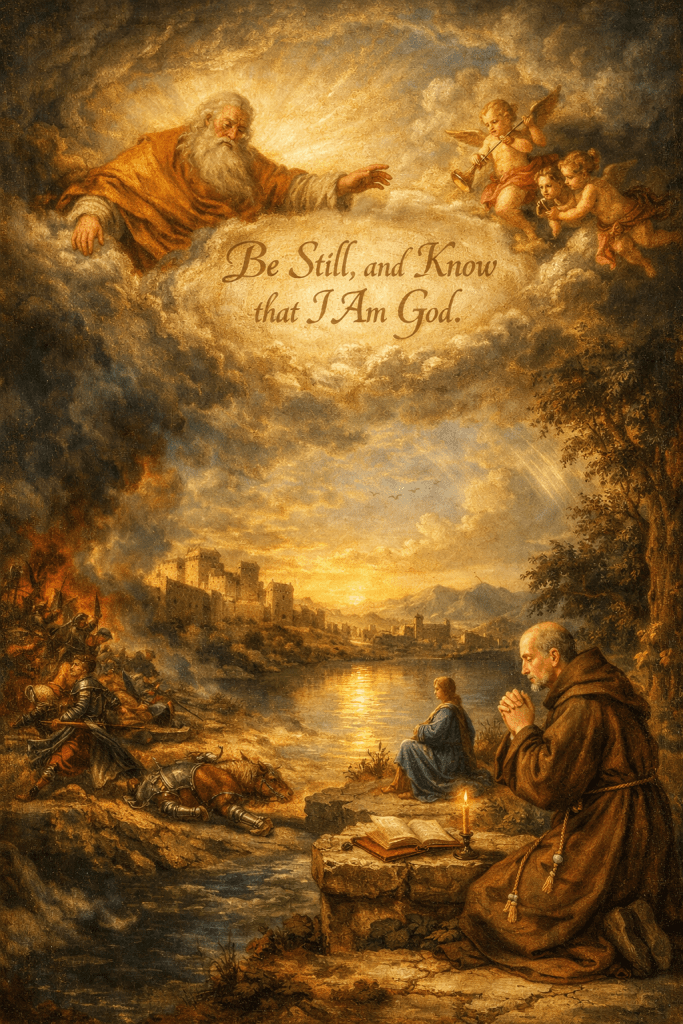





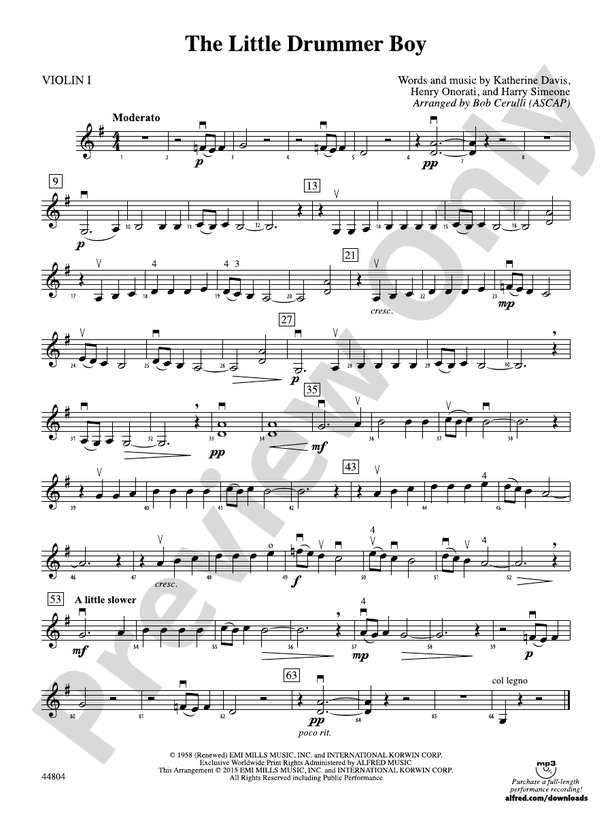
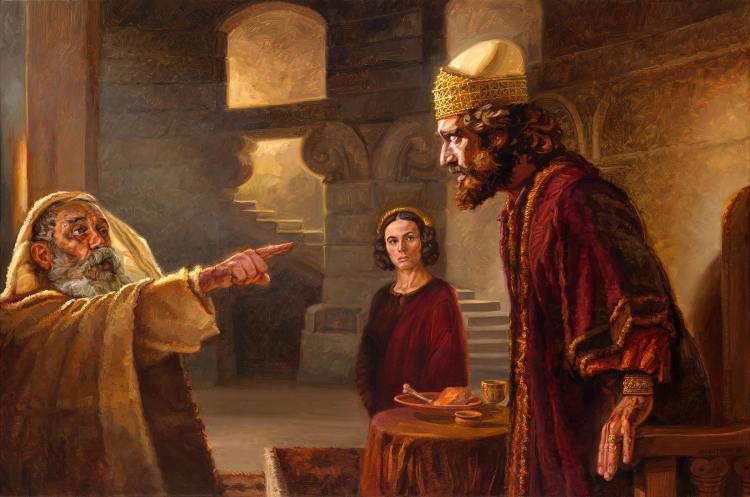


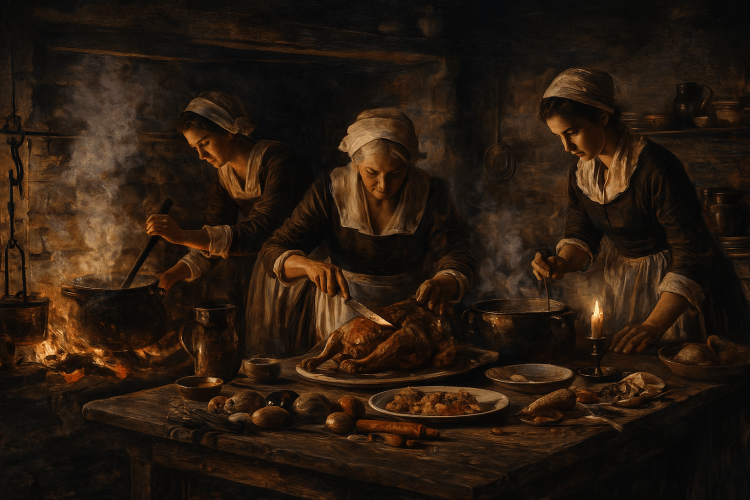

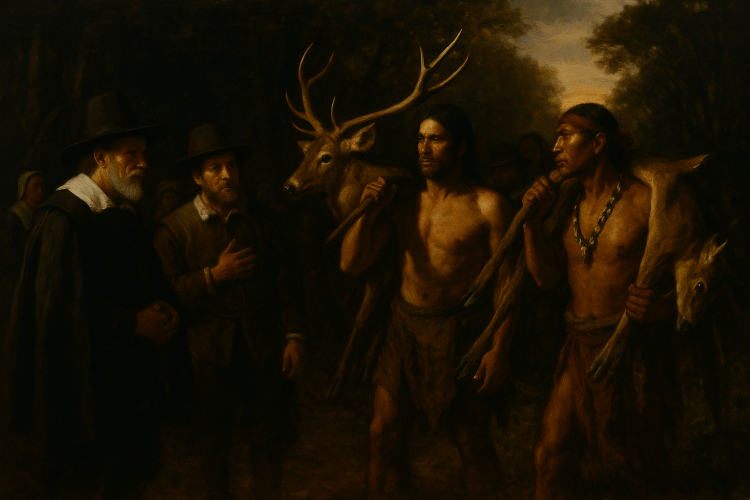
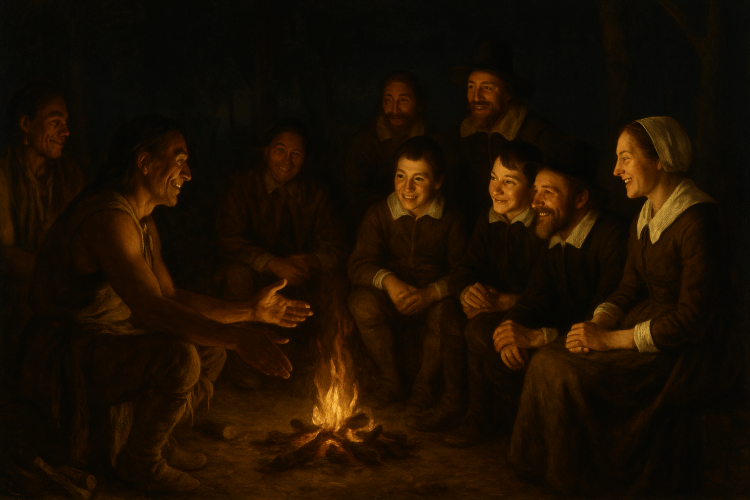
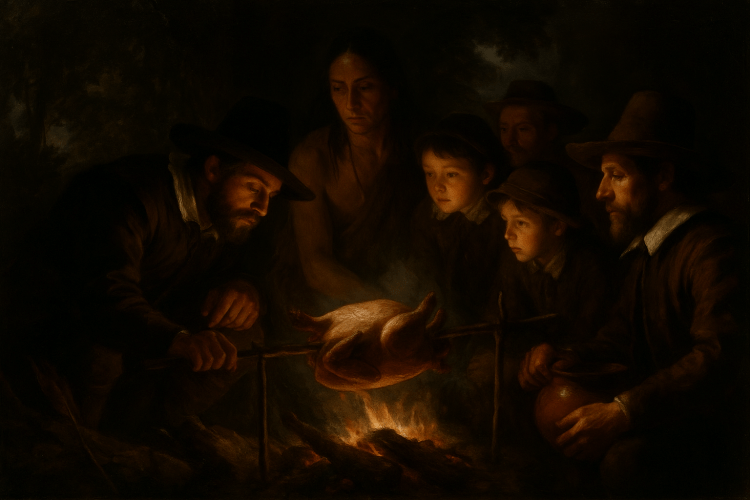
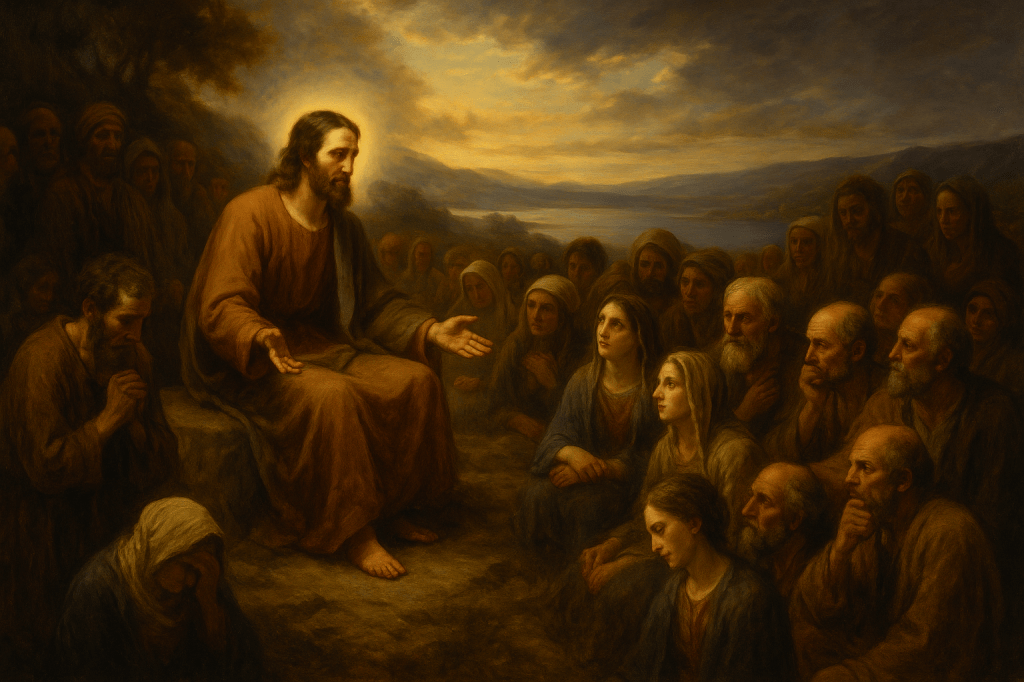
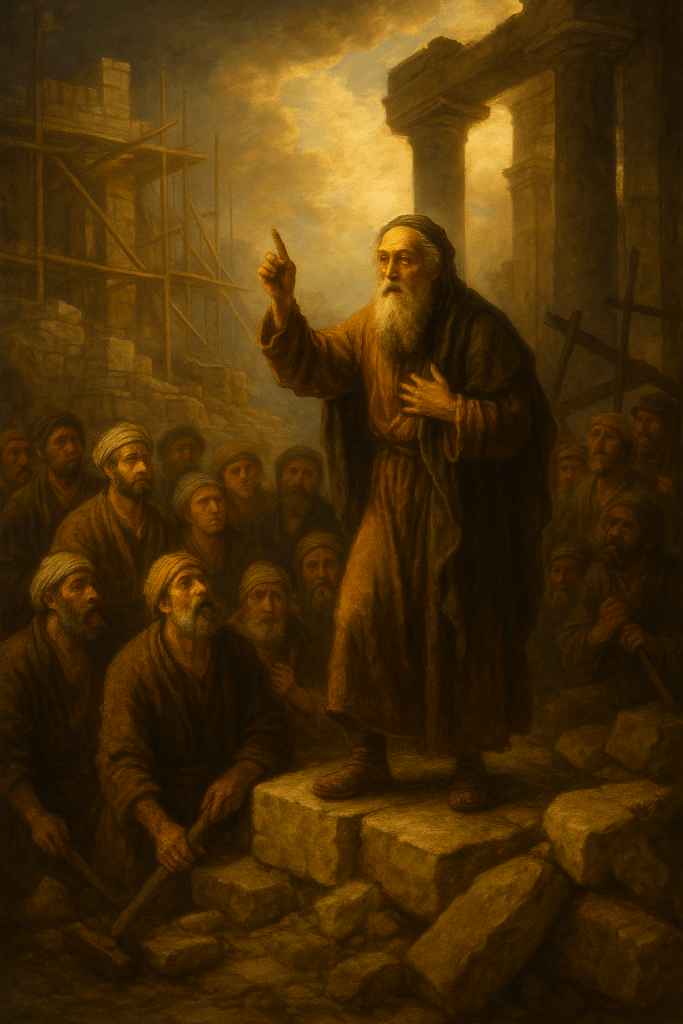
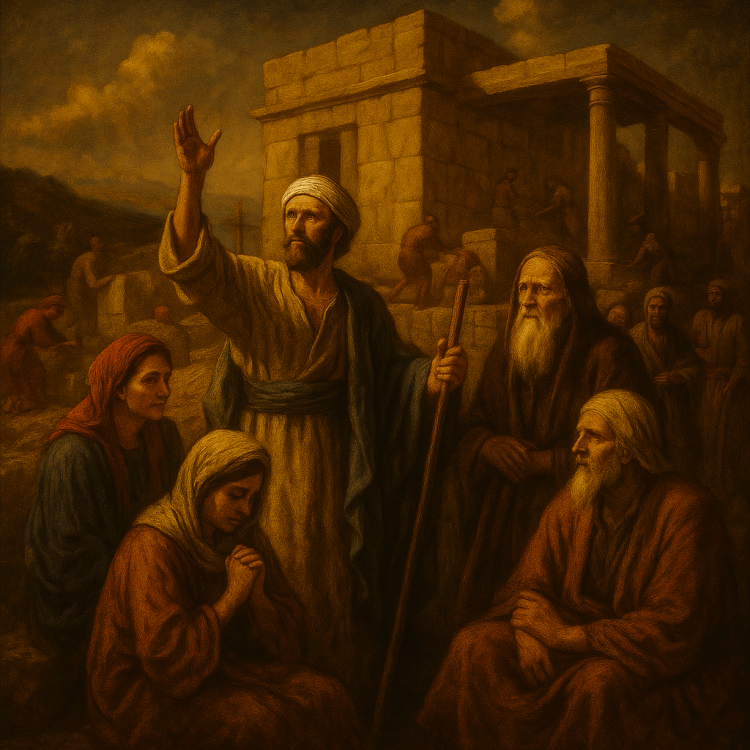



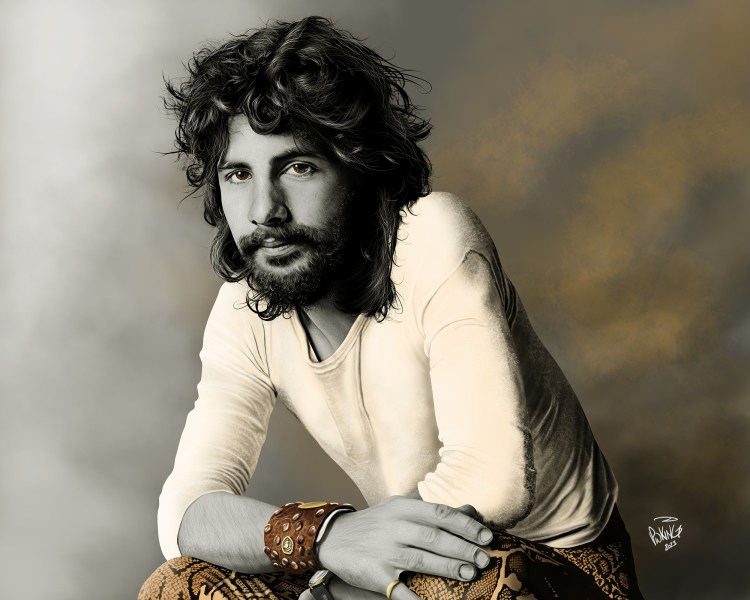

 Let's Talk About It, Lewis!
You must be logged in to post a comment.