A collaboration between Lewis McLain & AI
Empires have been built on armies, trade routes, and grand speeches. But beneath all of that—quietly, persistently—there has always been something less glamorous and more essential: the movement of information. The history of the postal service is not merely a story about letters and packages. It is the story of how societies learned to stay connected across distance, and how that connection shaped power, commerce, and democracy itself.
Ancient Origins: Speed as Authority
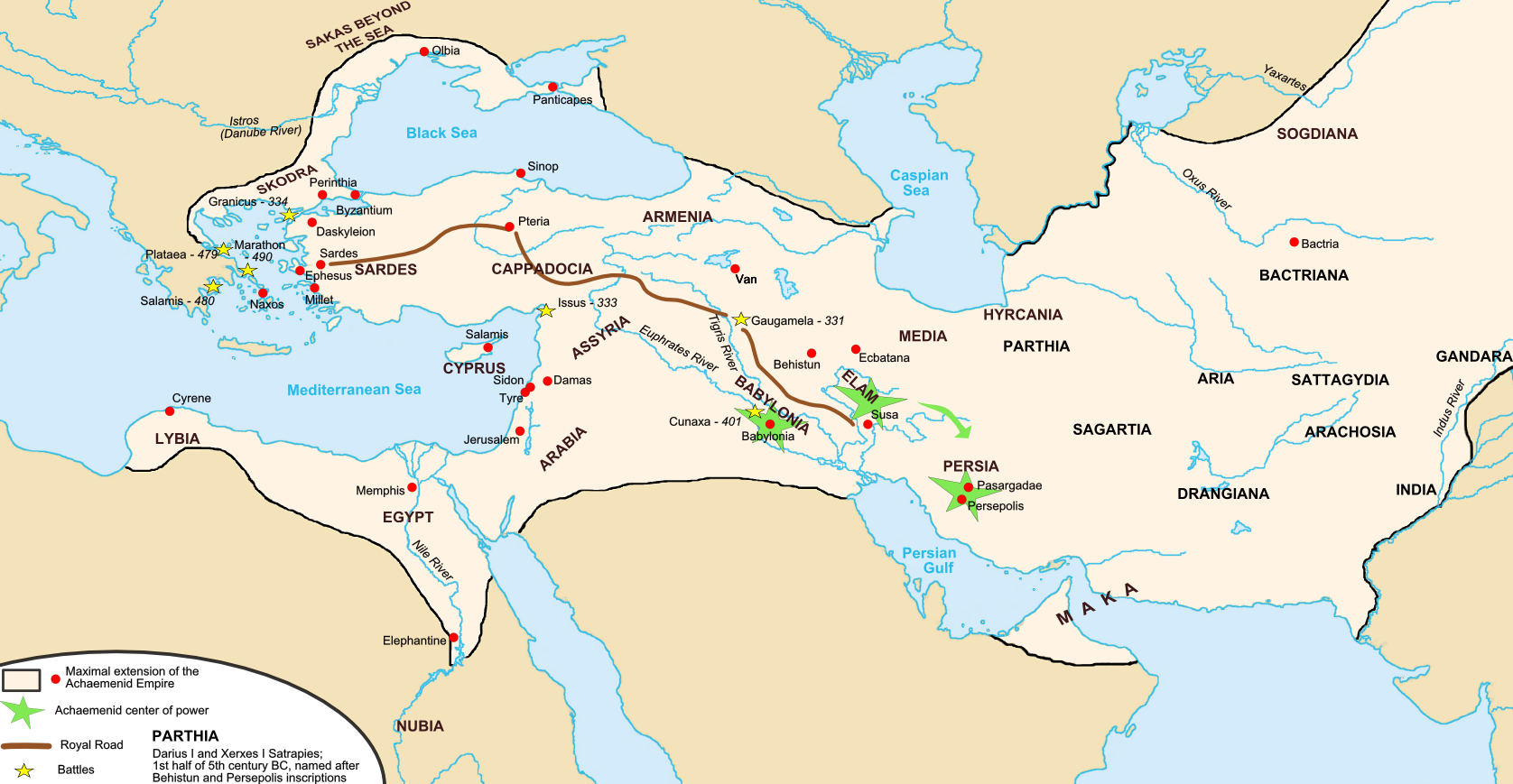



Long before stamps and blue mailboxes, rulers understood a simple truth: authority weakens when messages travel slowly. Around 500 BC, the Persian Empire built the Royal Road, a network of relay stations stretching roughly 1,500 miles. Mounted couriers carried royal decrees across the empire with astonishing speed for their time. Herodotus famously admired the system’s reliability, noting that neither snow nor rain nor heat nor gloom of night stayed these couriers from their appointed rounds—a line later adapted by the American postal system.
The Romans refined the concept with the cursus publicus, an organized courier network linking provinces to Rome. This system was not for the public. It existed to preserve imperial cohesion. Messages meant coordination. Coordination meant control.
Even in South America, the Incan Empire developed a relay network of runners called chasquis, who crossed rugged mountain terrain to deliver messages encoded in knotted strings called quipu. No horses. No wheels. Just disciplined human endurance.
In each case, the postal system was a backbone of governance. Information was not a luxury; it was infrastructure.
Medieval Europe: From Royal Privilege to Public Utility

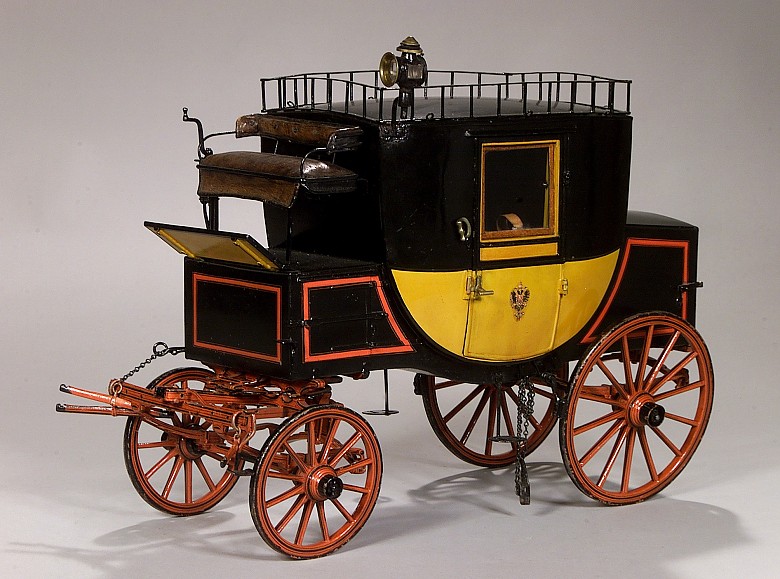
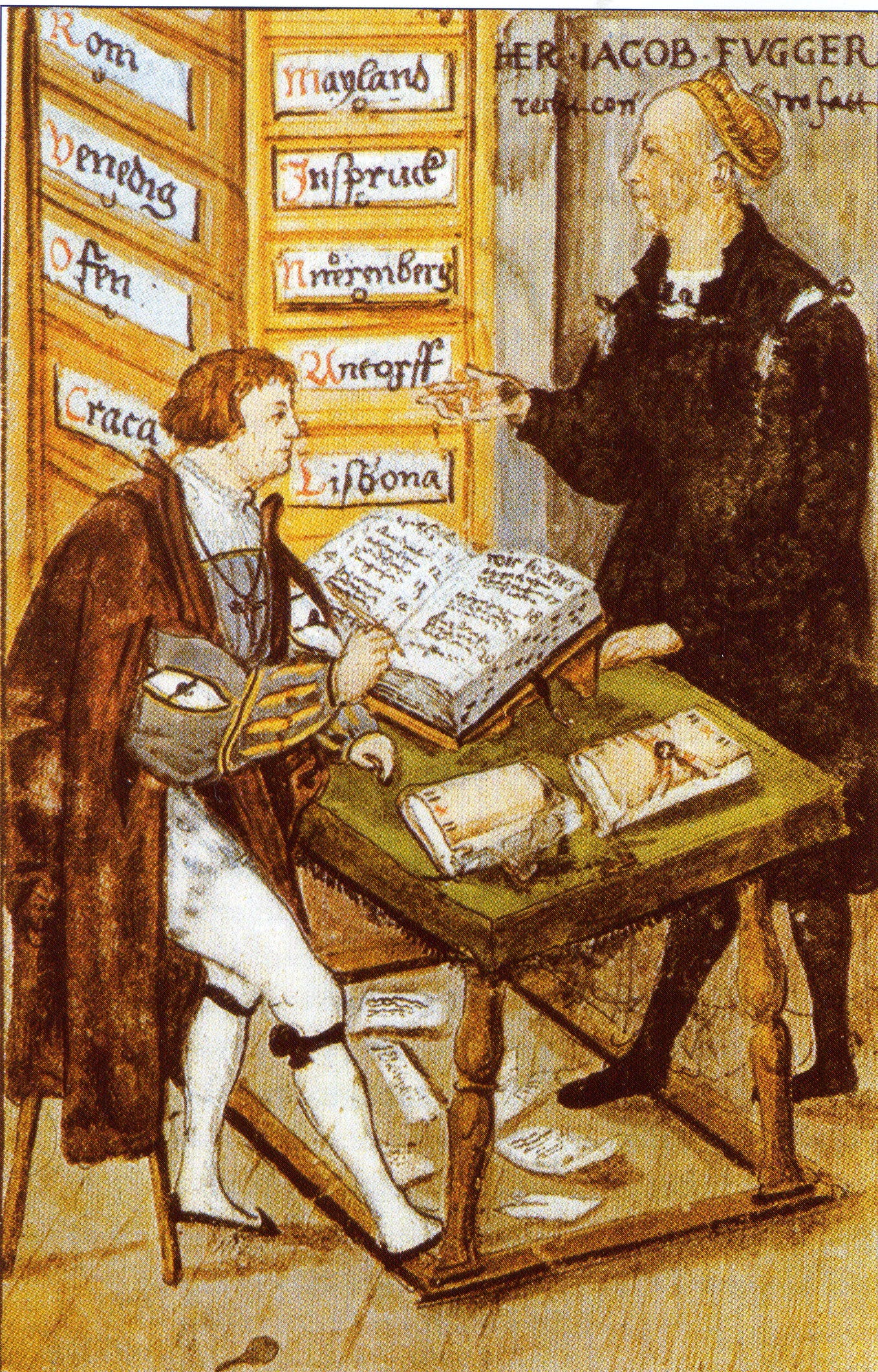

As Europe moved into the late Middle Ages, postal networks gradually expanded beyond royal courts. Merchant families, most notably the Thurn und Taxis dynasty, built extensive courier systems linking cities across the continent. Trade required contracts, contracts required communication, and communication demanded reliability.
The printing press in the 15th century multiplied demand for information. Once literacy spread, people wanted news. Pamphlets and newspapers traveled by post. The postal system was no longer simply a tool of rulers—it became an engine of public life.
This was a turning point. The delivery of information began shifting from a privilege of power to a service of society.
The American Experiment: Mail and Democracy




In colonial America, communication posed a unique challenge. Vast distances separated settlements, and the Atlantic Ocean separated colonists from Britain. In 1753, Benjamin Franklin was appointed joint Postmaster General. Franklin improved routes, standardized rates, and introduced accountability measures. His reforms made mail more efficient and more dependable.
After independence, Congress passed the Postal Service Act of 1792, which established a national postal system. Two aspects of the law were revolutionary. It guaranteed privacy of correspondence, and it allowed newspapers to be mailed at very low rates.
That second decision was profound. The young republic deliberately subsidized the spread of information. In an era without radio, television, or the internet, the postal system was the bloodstream of democracy.
Ideas traveled on horseback.
The Industrial Surge: Railroads and Rural Reach
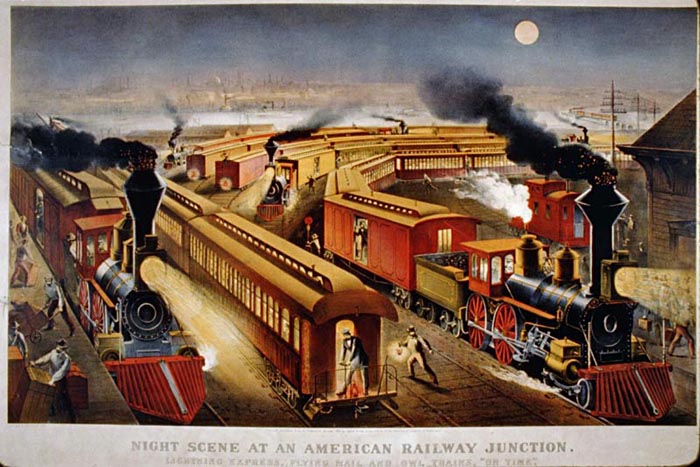

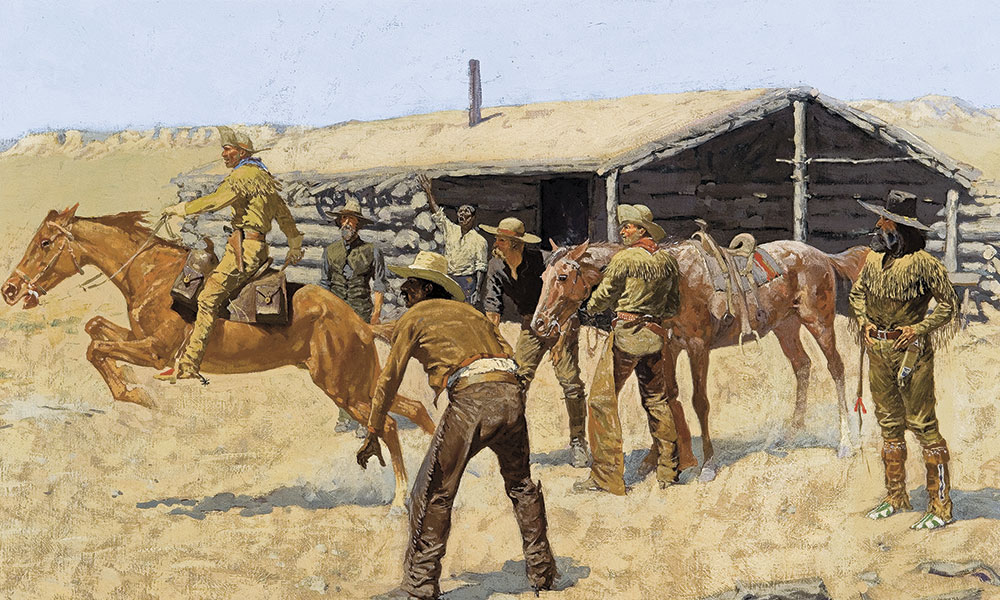
The 19th century transformed mail delivery. The Pony Express briefly connected the East and West coasts with remarkable speed before the telegraph rendered it obsolete. Railroads revolutionized efficiency, enabling mail to be sorted on moving trains.
Perhaps the most socially significant innovation was Rural Free Delivery, introduced in 1896. Farmers who once had to travel miles to retrieve mail began receiving it directly at their homes. This seemingly simple service reduced isolation and integrated rural communities into national life.
Communication reshaped geography.
Modern Reorganization: Universal Service in a Competitive World

By the mid-20th century, the volume of mail had surged dramatically. In 1970, Congress passed the Postal Reorganization Act, transforming the Post Office Department into the United States Postal Service, an independent agency structured to operate with greater financial and managerial flexibility.
The defining principle became universal service: delivery to every address in the nation at uniform rates, regardless of profitability. A cabin in rural Alaska and an apartment in Manhattan pay the same postage.
Few industries operate under such a mandate. It reflects a civic commitment rather than a purely economic calculation.
The Digital Era: Atoms and Electrons
Email, texting, and digital media have reduced personal letter writing dramatically. Yet package delivery has exploded, fueled by online commerce. The postal service now straddles two eras—competing in logistics while upholding its public mission.
The philosophical tension is clear. Should a postal system operate as a business, or as a civic utility? The answer is complex because it must be both.
Despite digital communication’s speed, physical delivery remains indispensable. Legal documents, medications, ballots, government notices—these are tangible realities. The movement of atoms still matters.
A Final Reflection
The postal service rarely dominates headlines unless it falters. Its success lies in its invisibility. When it functions smoothly, it blends into daily life like electricity or running water.
Yet its history reveals something deeper. Every civilization eventually invests in communication infrastructure because cohesion depends on connection. Letters built empires, sustained revolutions, connected farms to cities, and carried private hopes across continents.
The postal service is not just about mail. It is about belonging to something larger than oneself.
A nation that can deliver a letter to every doorstep is, in a quiet and profound way, affirming that every doorstep matters.
 Let's Talk About It, Lewis!